For your weekly shop, choose breakfast cereal clearly labelled as wholegrain if that’s your main priority: ordinary cornflakes aren’t automatically wholegrain. If you’d rather stick with familiar cornflakes, you could consider an unsweetened variety, but compare the ingredients, fibre and sugars per 100 g, as well as the portion you usually eat.
Who is this choice relevant to?
Shoppers looking for wholegrains and fibre
You want to see on the packaging which grains the product is made from and how much fibre it contains. The Voedingscentrum describes wholegrain cereal products as being made from the entire grain and identifies them as a source of fibre.
Families looking for less sweet cornflakes
You want to keep cornflakes on the breakfast menu, but check the ingredients and sugars before choosing a pack for the week. An unsweetened cornflake still isn’t automatically wholegrain.
Weekly shoppers planning their cupboards
You want to know whether the pack suits your household and whether you’re buying ordinary cornflakes or a separate wholegrain breakfast cereal. For example, ALDI Nederland lists these as separate products in its Golden Bridge range.
What should you look for when choosing?
First decide whether wholegrain cereal or the familiar shape of cornflakes matters more to you. Then compare the nutritional information on the same basis and check that the pack suits your weekly stock-up.
Wholegrain cereal
When to choose it: Choose this if a wholegrain base is your main priority and you’re also open to wheat flakes, porridge oats or another grain-based breakfast.
Consider: Porridge oats or other grain-based cereals don’t have the same shape or preparation as crunchy cornflakes; check the allergens on the pack too.
Cornflakes
When to choose them: Choose this option if you mainly want to stick with cornflakes and compare an unsweetened variety with other products.
Consider: An unsweetened cornflake isn’t automatically wholegrain; check the product description and ingredients.
| What to consider |
What to check when shopping |
Who should pay particular attention? |
| Wholegrains and fibre |
Look for a wholegrain label and the type of grain in the ingredients list; compare fibre per 100 g. |
If I want to replace my usual cornflakes with something wholegrain, that needs to be clear on the pack. This is the top priority for an estimated 45% of shoppers choosing breakfast cereal for the week. |
| Sugars and ingredients |
Compare sugars and salt per 100 g, and check which grains and sweetening ingredients are used. |
I want to keep eating cornflakes, but I only choose a pack after checking its ingredients. Around 36% of these shoppers say this is their top priority. |
| Pack size and weekly stock-up |
Check the pack weight and the number of portions stated; compare products of the same type. |
My breakfast cereal needs to suit how much my household eats in a week, without confusing ordinary cornflakes with a different type of grain-based breakfast. This is the top priority for an estimated 19% of these shoppers. |
Common mistakes
-
Assuming cornflakes are wholegrain
The product name doesn’t tell you whether the whole grain has been used. For example, Jumbo’s product information for Smaakt Bio Cornflakes Ongezoet lists maize as an ingredient, while Jumbo describes Brinta separately as a wholewheat cereal breakfast.
Look for a clear wholegrain label, read the ingredients and then compare fibre per 100 g.
-
Relying on a fibre claim alone
A fibre claim doesn’t tell you everything about the ingredients or your usual portion. The Consumentenbond points out that such a claim can give a product a more favourable impression than the rest of its nutritional information justifies.
Alongside the wholegrain label, check the sugars, salt and portion size in the nutrition table.
-
Comparing different breakfast cereals as if they were the same product
Ordinary cornflakes, wholegrain cereal and granola are different types of product. A large pack of one type won’t necessarily suit the same breakfast preference as another.
First decide which type of product you want, then check the grain base and nutritional information on each pack.
-
Guessing the allergens from the main grain
A product with maize as its main ingredient may also carry a warning about the possible presence of other allergens. With wheat products, the type of grain itself is important to consider.
If you have an allergy or coeliac disease, always check the latest ingredients and allergen information; the product category alone won’t tell you enough.
Brands and product ranges to consider
Kellogg's
Special K Original and All-Bran Flakes show why it’s worth checking the grain base of each product rather than relying on the brand name alone.
- According to Kellogg's Nederland, Special K Original contains rice, wholewheat and barley flakes; All-Bran Flakes are described as wholewheat flakes with wheat bran.
- Kellogg's Nederland also lists 15 g of sugars per 100 g for Special K Original. So compare the nutritional values of each product individually.
Brinta
A grain-based breakfast for anyone considering wholewheat and happy to try something other than cornflakes.
- Jumbo’s product information describes Brinta Volkoren graanontbijt as made from 100% wholewheat and lists 10,0 g of fibre per 100 g.
- It isn’t a cornflake and contains wheat; check the packaging if allergens are a consideration for your household.
Smaakt
Smaakt Bio Cornflakes Ongezoet is an option to consider if you’re specifically looking for unsweetened cornflakes.
- Jumbo lists organic maize as an ingredient and, per 100 g, 1,0 g of sugars and 0,01 g of salt.
- The product information doesn’t describe these cornflakes as wholegrain and mentions the possible presence of several allergens. Check the latest label for details.
Golden Bridge
In this ALDI own-brand range, you can distinguish ordinary cornflakes from separate wholegrain breakfast products.
- ALDI Nederland lists Golden Bridge Cornflakes and Golden Bridge 7-granen volkoren ontbijt as separate products.
- Don’t assume that every product in the range has the same grain base; check the ingredients and nutritional information on the pack you choose.
Breakfast cereals for a wholegrain choice
These products are worth considering if you’re looking beyond classic cornflakes for a grain-based breakfast. The list includes porridge oats, cruesli and a wheat-based cereal breakfast. First choose the type you prefer, then check the ingredients, nutritional information and allergens on the relevant pack.
 No image available
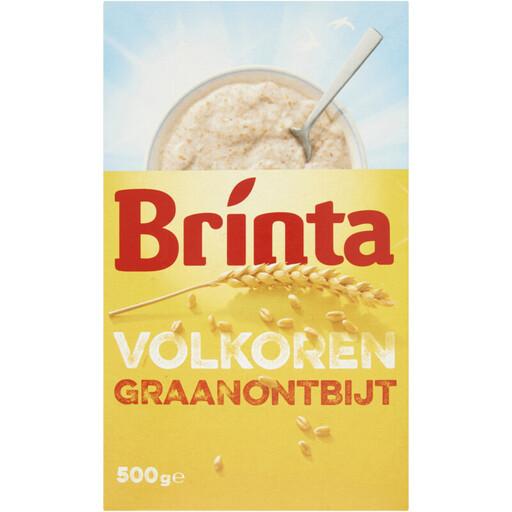
Brinta Whole Wheat Cereal Breakfast 500 g
For anyone looking for a wholewheat cereal breakfast instead of crunchy cornflakes.
Jumbo’s product information describes Brinta Volkoren graanontbijt as 100% wholewheat and lists 10,0 g of fibre per 100 g. The product contains wheat; check the latest packaging for allergen information.
Shop at Joybuy
 No image available
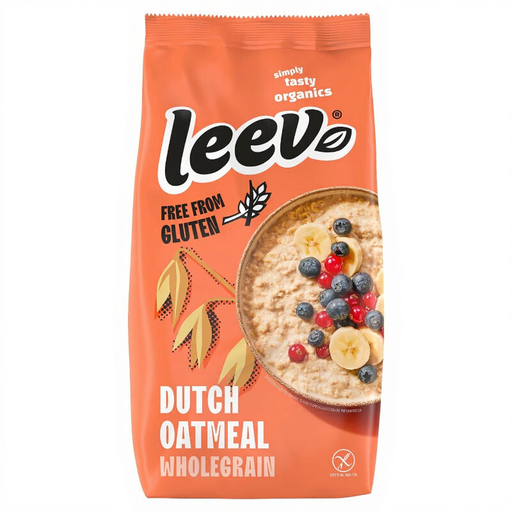
Leev Dutch Oatmeal 450 g
An option to consider if you’d like to try porridge oats instead of cornflakes; this isn’t a cornflake product.
If you follow a gluten-free diet, check the latest allergen information on the packaging before choosing this product.
Shop at Joybuy
 No image available
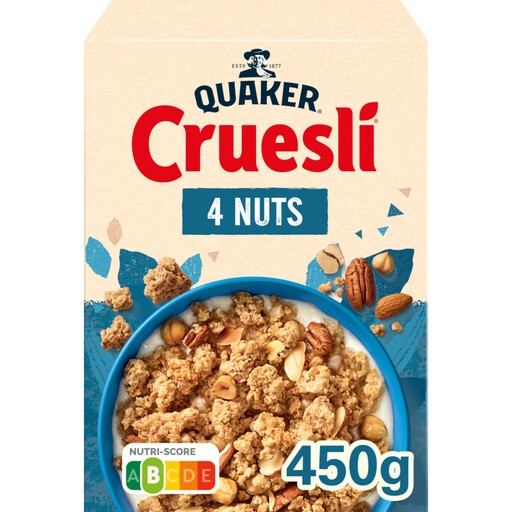
Quaker Cruesli 4 Nuts 450 g
For anyone wanting to compare crunchy cruesli with cornflakes; cruesli is a different type of product.
Check the ingredients and allergens if nuts are a consideration for your household. Compare fibre and sugars in the nutrition table on the latest packaging.
Shop at Joybuy
 No image available
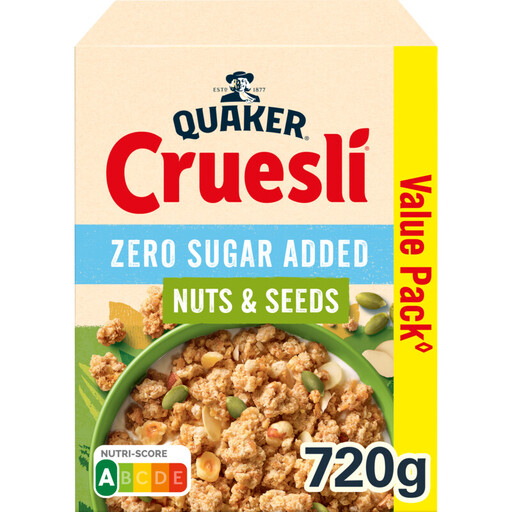
Quaker Zs Cruesli Nuts & Seeds 720 g
A larger pack of cruesli to consider if you’re looking for a crunchy breakfast cereal for the week instead of cornflakes.
Check the ingredients, allergens and nutritional information on the pack, especially if nuts or the amount of sugars are important to your choice.
Shop at Joybuy
 No image available
Quaker Oatmeal 600 g
For anyone wanting to add porridge oats to the weekly breakfast menu as an alternative to cornflakes.
Porridge oats have a different preparation and texture from cornflakes. Check the grain and allergen information on the latest packaging.
Shop at Joybuy
Frequently asked questions
Are cornflakes automatically wholegrain?
No, the name ‘cornflakes’ doesn’t in itself tell you whether they’re wholegrain. Check for a wholegrain label and read the ingredients: Jumbo describes Smaakt Bio Cornflakes Ongezoet as cornflakes, while the product information for Brinta explicitly states that it contains wholewheat.
Is a fibre claim enough to choose wholegrain breakfast cereal?
No, a fibre claim doesn’t automatically confirm that a product is wholegrain or suits your other preferences. The Consumentenbond warns that such a claim can give an overly favourable impression, so check the grain base, sugars and nutritional values per portion too.
What should I check if I have a gluten or other allergy?
Before buying, check the latest ingredients and allergen information for the specific pack. The Nederlandse Voedsel- en Warenautoriteit explains the mandatory allergen labelling requirements; warnings about the possible presence of other allergens may also be relevant for cornflakes.
How should I store breakfast cereal for the rest of the week?
Follow the storage instructions on the pack and seal it well after use. Jumbo’s product information recommends storing Smaakt Bio Cornflakes Ongezoet in a cool, dry and dark place.


