
Readers comparing labels
You want to weigh up carbohydrates, sugars and fibre for your own portion, rather than relying on a claim on the front of the pack. The rest of your breakfast matters too.


When choosing wholegrain breakfast cereals if you have diabetes, don’t rely on the word ‘wholegrain’ alone. Compare carbohydrates, sugars, fibre and ingredients per 100 g and for the portion you plan to eat. Plain porridge oats and wholegrain cereal are simple bases for a warm breakfast; if you prefer muesli or crunchy cereal, check the nutritional information for the exact variety. The right portion also depends on the rest of your breakfast and your personal eating plan.
You want to weigh up carbohydrates, sugars and fibre for your own portion, rather than relying on a claim on the front of the pack. The rest of your breakfast matters too.
You’re looking for a simple grain base and want to choose how much to prepare and what to add. Porridge oats and wholegrain wheat cereal differ in their ingredients and allergens.
You prefer muesli or crunchy cereal, perhaps with yoghurt. In that case, the ingredients, nutritional values and serving size of the specific variety matter more than the product name alone.
First, decide which type of product you enjoy, then compare the nutritional information for the portion you plan to eat. A claim about added sugar doesn’t tell you how many carbohydrates your whole breakfast contains.
| What to consider | What to check when buying | Who it matters to |
|---|---|---|
| Carbohydrates and sugars | Compare carbohydrates and of which sugars per 100 g, then work out the values for the amount you plan to eat. | If I spread carbohydrates across my meals, I want to know what my bowl of cereal contributes. For around 42% of consumers, this check comes first. |
| Wholegrains and fibre | Check the ingredients and compare the stated fibre content per 100 g of the exact varieties. | I want to choose a wholegrain base without assuming that every product labelled as such contains the same amount of fibre. This is the top buying priority for an estimated 33% of consumers. |
| Product type and ingredients | Choose between porridge, muesli and crunchy cereal; then check how to prepare it and, where necessary, the allergen information. | Breakfast needs to fit into my morning routine, and if I have an allergy or coeliac disease, I also need to be able to check the packaging. Around 25% of consumers prioritise this practical choice. |
The label doesn’t tell you how many carbohydrates, sugars or how much salt you’ll get in your usual portion.
Read the ingredients and compare the nutritional information per 100 g and for the amount you plan to eat.
Muesli, crunchy cereal and porridge oats are different types of product. Ingredients and nutritional values can also vary from one recipe to another.
Compare the exact packs, even if both products contain wholegrain cereal.
According to the product information, Brinta Volkoren Graanontbijt contains wheat, so it isn’t suitable for people with coeliac disease.
If you have coeliac disease, check that the exact pack is labelled gluten-free. If you have allergies, check the rest of the allergen information too.
Your portion may be smaller or larger, and milk, yoghurt, fruit and other additions change the nutritional content of your breakfast.
Work out how much cereal you use and include any additions when tracking the carbohydrates in your meal.
Brinta Wholegrain Cereal Breakfast is a wheat-based product for making hot porridge.
The range includes porridge oats and crunchy cereals, among other products. Check each variety individually.
The own-brand range includes wholegrain cereal and various muesli varieties.
Kellogg's offers a wide range of breakfast cereals, including Oaties Original Crunch, which contains wholegrain oats according to Albert Heijn’s product page.
This selection includes porridge oats and cereal for making porridge, as well as crunchy muesli and Cruesli. First, choose the type of product you want, then compare the exact pack. This list isn’t a judgement on which variety is right for everyone’s diabetes management.
 Image unavailable
A porridge oat option if you want to make hot porridge part of your morning routine. Quaker Express product information lists 59 g of carbohydrates, 1 g of sugars and 9 g of fibre per 100 g; work out the values for your own portion. If you have an allergy or coeliac disease, check the current packaging.
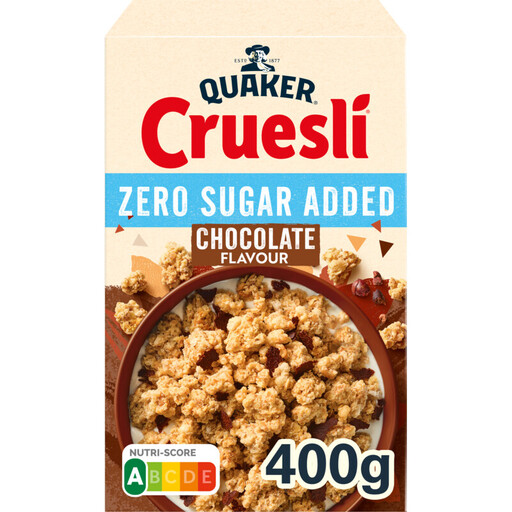 Image unavailable
A crunchy cereal option if you prefer it to porridge. Use the current nutritional information to assess the carbohydrates and sugars in your portion; the words ‘Zero Sugar’ in the product name don’t replace this check. If you have an allergy, check the ingredients and allergen information too.
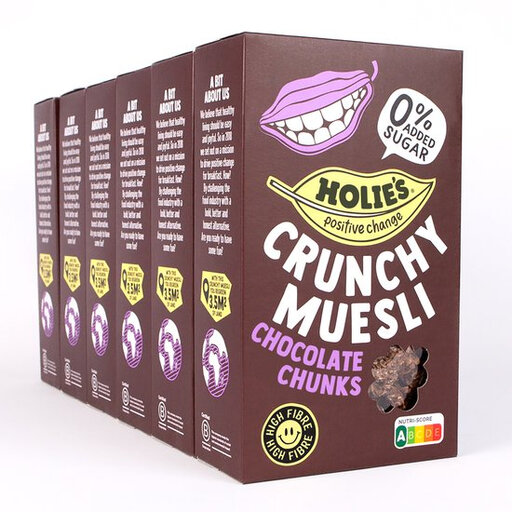 Image unavailable
A crunchy muesli with chocolate pieces for anyone who’d rather not have porridge. Use this variety’s nutritional information to work out the carbohydrates and sugars in your portion, including anything you eat with it. If you have an allergy or coeliac disease, check the current packaging.
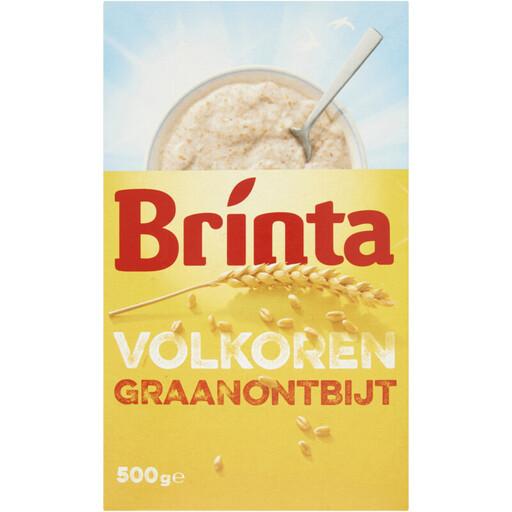 Image unavailable
A wholegrain wheat base for hot porridge. According to the product information, Brinta Wholegrain Cereal Breakfast is made from wholemeal wheat flour and salt, and contains 64 g of carbohydrates, 4.6 g of sugars and 10 g of fibre per 100 g. It contains wheat and gluten; remember to include milk or other additions when working out your portion.
 Image unavailable
An option if you want to compare oat flakes with other breakfast cereals. Check the current packaging for the blend’s ingredients, fibre and carbohydrate content per portion; don’t rely on the product name alone. Check the allergen information too if it’s relevant to your choice.
No. The claim refers to added sugars, not to all carbohydrates. For example, Quaker Express Oatmeal’s product information lists 59 g of carbohydrates per 100 g; work out the value for your own portion.
They can, but you’ll need to think carefully about the product and portion size. Diabetes.nl highlights fibre and protein at breakfast for people with type 2 diabetes. The amount of carbohydrates that’s right for you depends on your personal circumstances and the rest of your meals.
Check that the exact breakfast cereal is labelled gluten-free and read the allergen information. Brinta Wholegrain Cereal Breakfast, for example, contains wheat and gluten. Diabetes.nl states that a gluten-free diet is essential for people with coeliac disease.
Yes, if you want to work out the carbohydrates in your whole breakfast. First calculate how much cereal you use, then include the nutritional information for milk, yoghurt, fruit or any other additions.