
Vandaag of morgen in huis

Kwaliteit gegarandeerd

Welkomstaanbiedingen ontgrendelen: GRATIS bezorging | Tot 80% korting | Gratis 30 dagen JoyPlus-proefperiode
Download de app
When you search online for wholegrain breakfast products, you’ll quickly come across terms like “high in fibre”, “no added sugar” and “with grains”. These descriptions don’t always tell the full story. A product can contain wholegrain ingredients, but also have relatively high levels of sugar, salt or sweeteners. With these checkpoints, you can make more informed choices for home, on the go, or at work.
Breakfast cereals containing wheat, oats or maize aren’t automatically wholegrain. So always check the ingredients list. Does it list wholegrain oats, wholegrain wheat flour or wholegrain rye flour at the top? If so, the wholegrain ingredient makes up a significant part of the product. If flour, sugar or syrup appears first, the nutritional value is different from what the packaging might suggest.
Some muesli bars use sweeteners instead of sugar. This can reduce the amount of sugars, but also look at polyols, fats, calories and fibre. For example, the label on Hero B'Tween Muesli Bar Zero White Chocolate shows 1.7 grams of sugar and 42 grams of polyols per 100 grams. The product information also notes that excessive consumption may have a laxative effect. So a small portion is still important.
Muesli, porridge oats and breakfast cereals are usually shown per 100 grams, even though you eat a smaller portion. So compare both the nutritional values per 100 grams and the stated serving size. With snacks, an individually wrapped bar can help keep the amount manageable. With a bag of muesli, you’ll need a measuring cup or kitchen scales if you want to compare portions accurately.
A practical healthy breakfast doesn’t have to be complicated. Look at these three points:
Wholegrain content
Look for wholegrain cereals in the ingredients list and check their position. According to the product information, Quaker Oatmeal is made from 100% wholegrain oats. Brinta Oatmeal lists 100% oat flakes as the ingredient.
Fibre per 100 grams
Fibre is found in wholegrain oats, wheat, rye, pulses and some added fibres. For comparison: Brinta Whole Wheat Cereal lists 10 grams of fibre per 100 grams, Quaker Oatmeal 9 grams, and g'woon Wholemeal Crispbread 14 grams. These are product details from the label, not a guarantee that one product suits every eating habit.
Sugar, salt and extra ingredients
Muesli with chocolate, syrup or candied fruit can contain more sugar than plain porridge oats. Quaker Cruesli Chocolate lists 16 grams of sugars per 100 grams and 10 grams of fibre. Belvita Wholegrain Cookies lists 22 grams of sugars and 6.2 grams of fibre per 100 grams. Both can fit into a varied diet, but they aren’t directly comparable to unsweetened porridge oats.
Porridge oats are handy if you want to control the flavour and portion size yourself. Add fruit, yoghurt, milk or unsalted nuts, for example. According to the product data, Brinta Oatmeal contains 9.7 grams of fibre and 13 grams of protein per 100 grams. Quaker Oatmeal contains 9 grams of fibre and 11 grams of protein per 100 grams.
Muesli works well as a cold bowl with yoghurt or milk. With granola, pay extra attention to oil, sugar, chocolate and syrups, as crunchy varieties can have a higher energy content. According to the label, Quaker Cruesli Chocolate is made from 95% wholegrain cereals and contains 10 grams of fibre per 100 grams, but also 19 grams of fat and 16 grams of sugars per 100 grams.
Wholegrain biscuits and muesli bars are especially practical for on the go. Check the portion pack, allergens and sweeteners. Bolletje Nice Going Grain Red Fruit lists 15 grams of fibre per 100 grams and contains nine bars per pack. That makes it easy to take a set amount with you. The bar also contains sugar and sweetened dried cranberries, so “high in fibre” doesn’t mean all other nutritional values are low.
For a savoury breakfast, wholegrain bread, wholegrain wraps, quinoa and bulgur are versatile staples. According to the product description, Banderos Tortilla Wraps Whole Wheat are made from 60% wholegrain wheat flour and contain 9.5 grams of fibre per portion. Duru White Quinoa can be used in a breakfast bowl, salad or hot meal. For meal prepping, Duru The Bulgur Way Mercimekli Bulgur is practical: according to the product description, the pack can be heated in the microwave or pan.
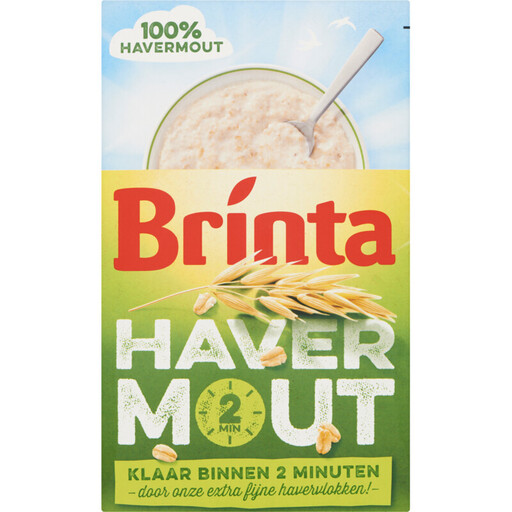
Why this fits the profile: A simple base for warm porridge, with a short ingredients list and multiple servings per pack.
The ingredients list states 100% oat flakes; there are no chocolate or syrup pieces to complicate the choice unnecessarily.
9.7 grams of fibre per 100 grams, 13 grams of protein and, according to the label, 0.8 grams of sugars per 100 grams.
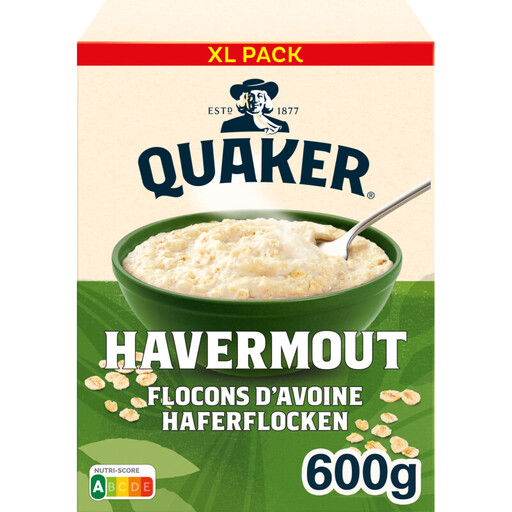
Why this fits the profile: Suits anyone looking for a pure product with a short ingredients list and a neutral base.
According to the product information, it is made from 100% wholegrain oats and contains no added sugars.
600 gram pack, 9 grams of fibre and 11 grams of protein per 100 grams according to the label.
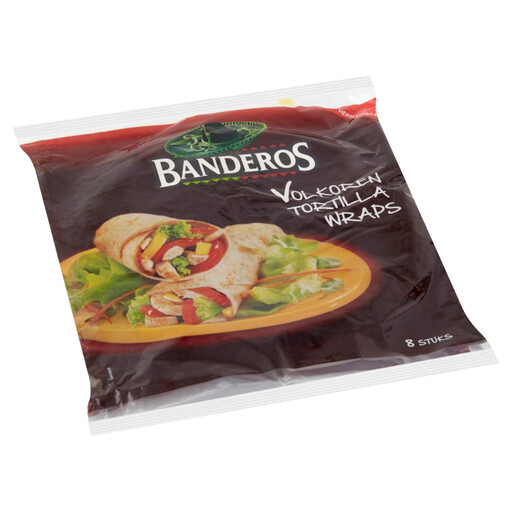
Why this fits the profile: Handy for families, meal prep and breakfast or lunch on the go when porridge isn’t practical.
The proportion of wholegrain wheat flour is clearly stated: 60%. So you don’t have to rely solely on the front of the pack.
Eight wraps per pack, 9.5 grams of fibre per portion and 7.9 grams of plant-based protein according to the product description.
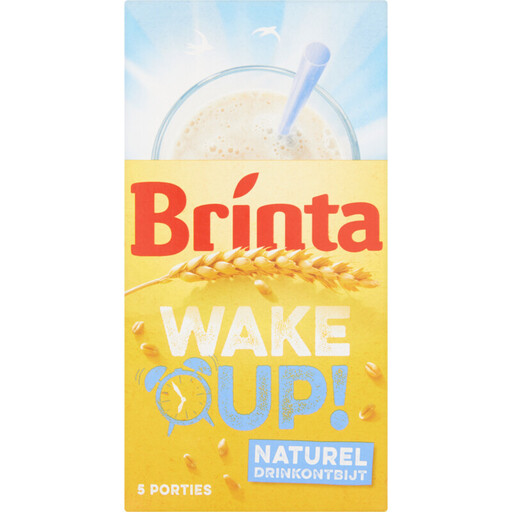
Why this fits the profile: The sachets are ideal for anyone who wants to make a quick breakfast at work with hot or cold water.
The preparation method and portion are straightforward: according to the product information, breakfast is ready in one minute.
13.2 grams of fibre per 100 grams and a sachet format for easy storage in a desk drawer or bag.
We’ve put together a full, up-to-date list of products that fully meet these strict selection criteria and comply with current European safety regulations.
That depends on your preference and the time you have available. Porridge with fruit and yoghurt is easy to adapt. Wholegrain crispbread, bread or a wrap works well for a savoury option. Always check the ingredients list and nutritional values per 100 grams.
A muesli bar is mainly handy as a snack or small breakfast on the go. Look at the portion size, fibre, sugar, fat and allergens. If you want to stay full for longer, consider combining a bar with fruit, yoghurt or another source of nutrients.
Store dry products such as porridge oats, muesli, quinoa and bulgur in a cool, dry place away from direct sunlight. Seal the pack well after use. For wraps, bread and opened ready-to-eat grains, follow the storage and best-before information on the pack. When buying, also check the current ingredients and allergen information on the label.
