
Commuters short on preparation time
If you need to get out of the door quickly, how much you still need to prepare matters. Cold cereal with milk or yoghurt and portions you can mix are alternatives to porridge, which you make as a warm bowl.


For a quick breakfast, first choose a preparation style that suits your morning: cold muesli or flakes with milk or yoghurt, a breakfast drink you mix, or porridge if you have time for a warm bowl at home. Then compare products of the same type by their wholegrain ingredients, nutritional values and allergens; the word ‘wholegrain’ alone doesn’t tell you how they differ in other respects.
If you need to get out of the door quickly, how much you still need to prepare matters. Cold cereal with milk or yoghurt and portions you can mix are alternatives to porridge, which you make as a warm bowl.
You’re looking for wholegrain breakfast cereals, but you also want to compare sugars, fibre, salt and fat. According to the Voedingscentrum, breakfast cereals can vary considerably in these respects.
If protein is an important factor in your choice, compare the nutritional information per 100 g and per serving. For high-protein options, check the ingredients and allergens too, including any wheat gluten.
First decide whether you can eat it cold, simply mix it, or make a warm bowl at home. Then compare the ingredients and nutritional information within your chosen product type. This stops preparation time from automatically taking priority over everything else that matters to you.
| What to consider | Check | Who it matters to |
|---|---|---|
| Minimal preparation | Whether you need milk, yoghurt or water, and whether heating is required; for a breakfast drink, also check what the nutritional values are based on. | If I need to leave straight away, I don’t want to make a warm bowl first. Around 31% of consumers give minimal preparation top priority. |
| Ingredients and nutritional value | Which wholegrains are listed in the ingredients, and how fibre, sugars, salt and fat compare per 100 g in similar products. | I don’t want to rely on the word ‘wholegrain’ alone when choosing breakfast cereals. For around 31% of consumers, this comparison matters most. |
| Taste and texture | Whether you want porridge, muesli, flakes or granola, and which ingredients and allergens are in your chosen option. | I prefer a crunchy bowl to soft porridge, even if that means choosing a different option. Taste and texture come first for around 23% of consumers. |
| Protein | The protein content per 100 g and per serving, as well as the ingredients and allergens in the exact product. | I mainly compare breakfast cereals by their protein content and want to know which ingredients provide it. Protein is the most important factor for around 15% of consumers. |
According to the Voedingscentrum, wholegrain breakfast cereals can vary in sugars, fibre, salt and fat. So the claim on the front of the pack doesn’t replace the nutritional information.
Read the ingredients list and compare nutritional values per 100 g with products of the same type.
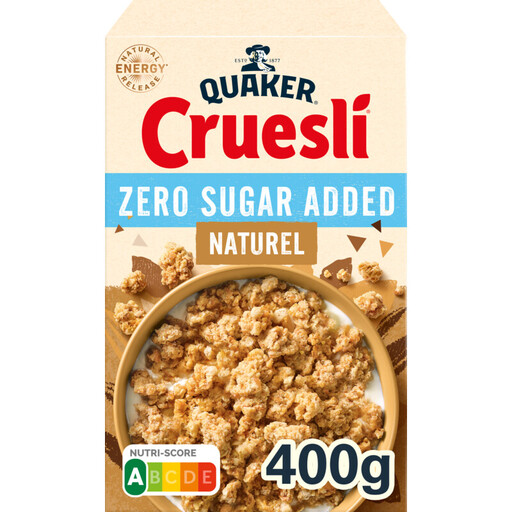
A claim about added sugar doesn’t, by itself, tell you the total energy or fat content. Quaker lists 416 kcal and 17 g of fat per 100 g for Cruesli Granola Zero Sugar Added Naturel.
Compare energy and fat per 100 g, and consider the portion you eat too.
Nutritional values for a drink that includes milk are based on something different from values for dry breakfast cereal. Albert Heijn lists the values for Brinta Wake-up! for a prepared serving with 175 ml of semi-skimmed milk.
Before comparing, check whether the values are for 100 g of dry product or a prepared serving.
Breakfast cereals may contain cereals containing gluten or milk; with granola, nuts and warnings about possible cross-contamination may also be relevant.
If you have an allergy, check the current ingredients and allergen information on the packaging of the exact product.
Always compare the exact product within a brand: porridge, breakfast drinks, flakes and granola differ in how they’re prepared and how their nutritional values are presented.
Brinta offers both a wholegrain cereal for a warm bowl and Wake-up!, a breakfast drink in sachets that you mix with water or milk.
Quaker offers crunchy granola and Cruesli options for anyone who wants to put together a cold breakfast with milk or yoghurt.
Special K Original is a flake cereal made with rice, wholemeal wheat and barley, designed to be eaten cold with milk or yoghurt.
Nestlé describes breakfast cereals made with wholemeal wheat and oats in its Fitness range.
The own-brand range includes wholegrain muesli and crunchy muesli as options to compare.
These Joybuy products include cold muesli and Cruesli options, as well as cereal breakfasts you could also enjoy as a warm bowl. First choose the preparation style that works for you, then check the packaging of the exact product.
 No image available
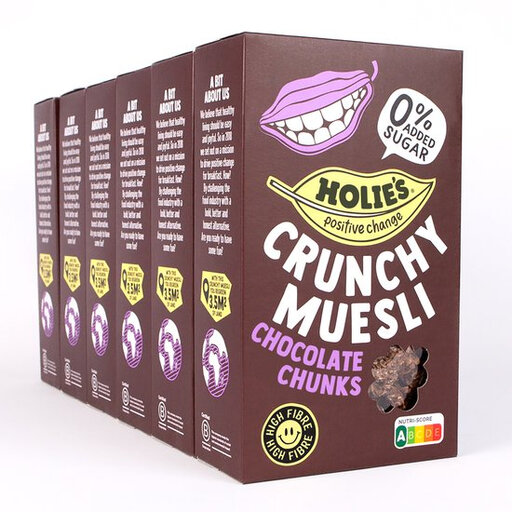
An option if you want cold muesli with milk or yoghurt and don’t want to heat anything.
The pack contains 6 × 400 g. If you have allergies, check the current information on cereals, milk, nuts and peanuts.
 No image available
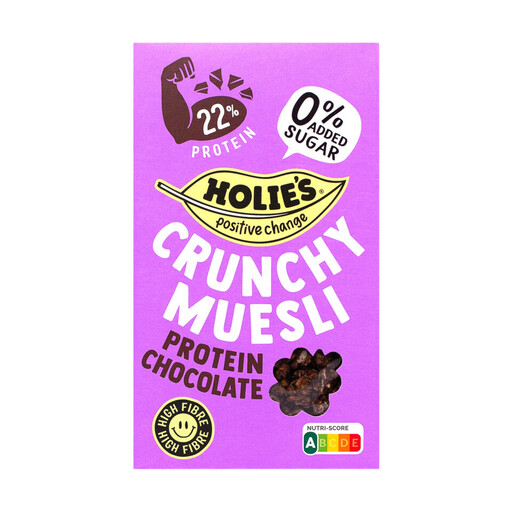
A cold muesli option to compare if protein is an important factor in your choice.
The pack contains 400 g. Compare the nutritional information per 100 g and per serving; this product contains wheat protein and wheat gluten, so it isn’t suitable if you’re looking for a gluten-free option.
 No image available
An option for a cold bowl with yoghurt when you don’t have much time to prepare breakfast.
The pack contains 400 g. As well as sugars, compare fat and the other nutritional values, and check the current packaging if you have allergies.
 No image available
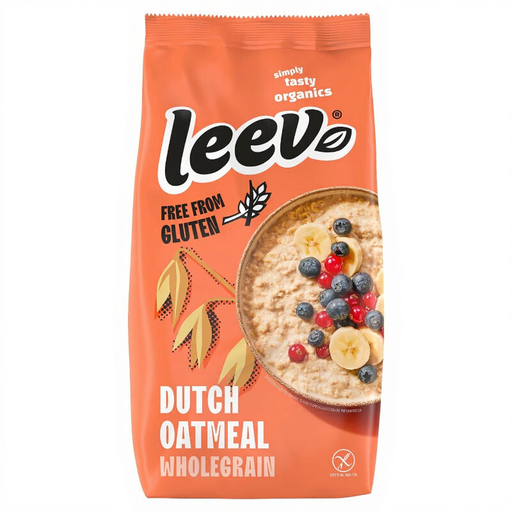
An oat option if you want to mix breakfast with milk, yoghurt or quark in the morning without heating it.
The pack contains 450 g. The description and allergen information conflict about gluten; if gluten matters to you, check the current packaging before buying.
 No image available
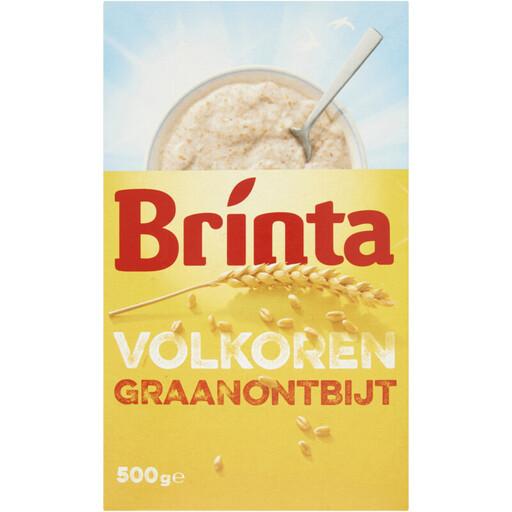
A cereal breakfast for anyone with time at home to make a warm bowl with water or milk.
The pack contains 500 g. Making it hot takes more steps than preparing a cold mix; check the packaging for wheat and gluten.
No, check the nutritional information for the exact product too. According to the Voedingscentrum, breakfast cereals vary in sugars, fibre, salt and fat, so it’s best to compare products of the same type per 100 g.
Cold muesli or granola is practical if you have milk or yoghurt to hand; a breakfast drink needs mixing, while hot porridge takes time and a bowl. Choose based on what you can realistically prepare before you leave.
First check whether the nutritional values are for a dry product or a prepared serving. For Brinta Wake-up!, Albert Heijn lists values for a serving prepared with 175 ml of semi-skimmed milk; these can’t be directly compared with values per 100 g of dry breakfast cereal.
Yes, if you have an allergy, check the packaging of the exact product before eating it. Wheat, milk and nuts may be relevant, and you should also look out for warnings about possible cross-contamination.
No, that claim alone doesn’t tell you how much energy or fat it contains. Quaker lists 416 kcal and 17 g of fat per 100 g for Cruesli Granola Zero Sugar Added Naturel; compare the full nutritional information and the portion you eat.