Before doing your weekly shop, first check whether a breakfast cereal is labelled wholegrain. Then compare similar products per 100 g for fibre, sugars and salt. A plain option such as a cereal breakfast or porridge oats is a good choice if you don’t mind preparing it. If you prefer something crunchy, pay extra attention to the ingredients, nutrition information and allergen details on the packaging.
Which choice is right for you?
For anyone comparing fibre content
If you want a wholegrain option for several breakfasts during the week, the nutrition information per 100 g helps you compare fibre, sugars and salt across similar products. The Netherlands Nutrition Centre recommends comparing breakfast cereals on this basis.
For fans of a crunchy breakfast
If you’re looking for granola or another crunchy option, its flavour and texture will help determine whether you enjoy eating it. Also read the ingredients list and nutrition information: wording on the front of the pack doesn’t tell you how much sugar the product contains overall.
For anyone checking allergens
If you need to avoid cereals containing gluten, milk or nuts, the current allergen information matters more than the name of the breakfast cereal. Also check for any warnings about the possible presence of other allergens.
What should you look for when choosing?
For your weekly shop, start by choosing the type of breakfast that suits your mornings. Then compare the wholegrain label, nutrition information per 100 g and ingredients within that category. Allergens may rule out a product straight away.
| What to consider |
What to check before buying |
Who it matters most to |
| Wholegrain and fibre |
Look for the wholegrain label and check the ingredients. Compare fibre per 100 g. |
If I’m buying a cereal breakfast for several days, I want to see which grains it contains and how much fibre it provides. Around 36% of consumers give this wholegrain and fibre check top priority. |
| Sugars and ingredients |
Compare sugars per 100 g and check the ingredients list for added sugar, syrup or honey. |
I want something crunchy, but I don’t want to rely on a claim about added sugar if the product still contains sugars. For around 29% of consumers, checking sugar comes first. |
| Flavour and preparation |
Choose between porridge oats, cereal and a ready-to-eat crunchy option; check the preparation instructions and serving size. |
On busy mornings, I want to know whether I’ll have time to mix or heat my breakfast, or whether I’d rather eat something crunchy straight away. Flavour and ease of preparation matter most to around 21% of consumers. |
| Allergens |
Read the current allergen information and any warnings about possible presence; if you need to avoid gluten, don’t rely on the wholegrain label alone. |
If I need to avoid certain grains or other allergens, I need to be able to check the packaging before buying a supply. For around 14% of consumers, allergen suitability is the first consideration. |
Common mistakes
-
Assuming brown packaging means the product contains wholegrains
The colour or image on a pack doesn’t tell you which grains have been used. For this purchase, it’s the wholegrain label that matters.
Check the product name and ingredients before choosing a pack for the whole week.
-
Reading ‘no added sugar’ as ‘sugar-free’
A product with no added sugar may still contain naturally occurring sugars. The claim doesn’t replace the nutrition table.
Read both the ingredients and the ‘of which sugars’ line, and compare similar products per 100 g.
-
Comparing different serving sizes directly
Nutrition information per serving is difficult to compare when packs are based on different serving sizes.
Start by using the values per 100 g, then consider how much you’d like to have for breakfast.
-
Assuming you know which allergens are present from the name of a breakfast cereal
A name that mentions oats or wholegrain doesn’t tell you whether a product is suitable for someone with a specific allergen restriction. Warnings about possible presence may also be relevant.
Check the current ingredients and allergen information on the pack every time you buy it.
Brands to consider
The differences below apply to the specific products mentioned, not a brand’s entire range. Check the current packaging before making your final comparison.
Brinta
Brinta Wholegrain Cereal Breakfast is an option if you want a wheat-based product to mix into a soft cereal breakfast.
- Albert Heijn’s product information says this variant contains 100% wholegrain wheat.
- This variant contains wheat and cereals containing gluten. If you’re after something crunchy and ready to eat, you’ll need a different type of product.
Albert Heijn
The own-brand range includes both wholegrain cereal breakfast and wholegrain oats, for anyone looking for a plain base.
- According to Albert Heijn’s product information, AH Wholegrain Cereal Breakfast contains 99% wholemeal wheat flour; AH Wholegrain Oats lists wholegrain oat flakes as an ingredient.
- The cereal breakfast and porridge oats need preparing, unlike ready-to-eat granola. If you have an allergen restriction, check the packaging of the variant you choose.
Quaker
Quaker Cruesli Zero Sugar Added Naturel is a crunchy option if you’re keeping an eye on added sugars.
- Albert Heijn’s product information says this variant contains no added sugars or sweeteners.
- The same information states that it contains naturally occurring sugars. Also check the allergens, including cereals containing gluten and the possible presence of milk and nuts.
Kellogg's
Kellogg's Oaties Original Crunch is a crunchy cereal mix for anyone who likes to consider texture and flavour.
- Albert Heijn’s product information describes a mix containing wholegrain oats, wheat and maize.
- Albert Heijn lists 20 g of sugars per 100 g for this variant and includes sugar and syrup in the ingredients. If you want to limit added sugars, take these ingredients into account.
Breakfast cereals and porridge oats on Joybuy
These products offer different options for your weekly shop: crunchy granola, porridge oats and cereal breakfast. First choose the type you’d like to eat, then check the current nutrition information and allergens for each variant.
 No image available
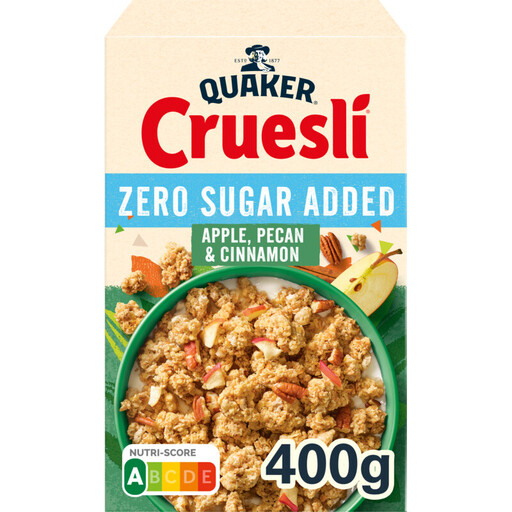
Quaker Cruesli Zero Sugar Added Apple, Pecan and Cinnamon, 400 g
A crunchy option with apple, pecan and cinnamon. If you have a nut allergy, check the current allergen information and refer to the nutrition information for the total sugar content.
View on Joybuy
 No image available
Quaker Express Oatmeal, 324 g
For anyone who wants to prepare porridge on a busy morning. Check the preparation instructions and, if you need to avoid cereals containing gluten, check the current allergen information.
View on Joybuy
 No image available
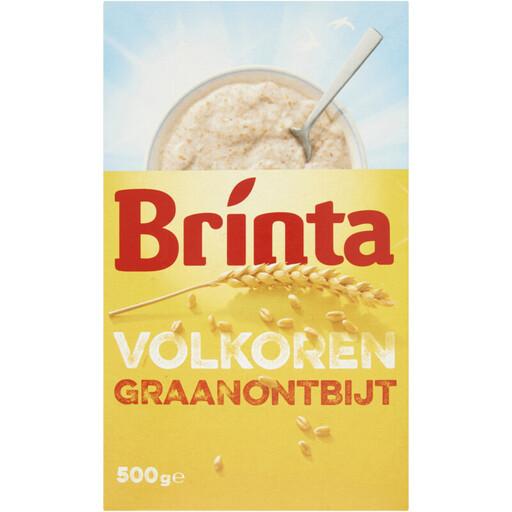
Brinta Wholegrain Cereal Breakfast, 500 g
For anyone who wants to mix a soft cereal breakfast rather than eat ready-to-eat granola. Albert Heijn’s information on Brinta Wholegrain Cereal Breakfast lists wholegrain wheat; check the packaging for wheat and cereals containing gluten.
View on Joybuy
 No image available
Zonnatura Organic Whole Wheat Oatmeal, 500 g
For anyone who wants to use porridge oats as a base for several breakfasts. Compare the nutrition information per 100 g with other porridge oats and, if you have an allergen restriction, check the current packaging.
View on Joybuy
 No image available
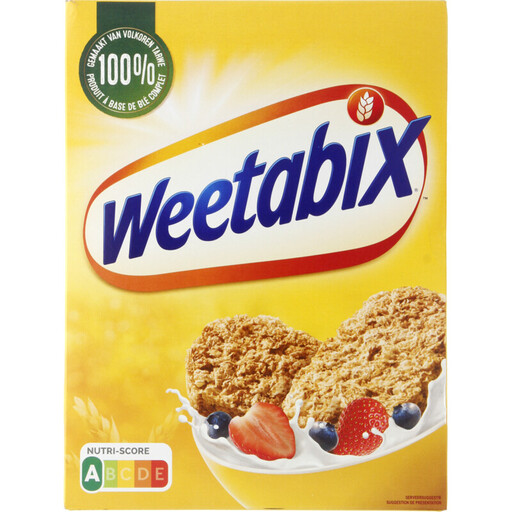
Weetabix Breakfast Cereal, 430 g
For anyone looking for a different kind of cereal breakfast from porridge or granola. Compare sugars per 100 g and check the ingredients and allergens on the pack, especially if wheat or barley is a concern for you.
View on Joybuy
Frequently asked questions
How do I compare wholegrain breakfast cereals for my weekly shop?
Compare products of the same type per 100 g for fibre, sugars and salt. The Netherlands Nutrition Centre recommends this basis for comparison. Also check that the wholegrain content is clearly labelled and see which ingredients have been used. Then choose a flavour and preparation method that suit your mornings.
Does granola with no added sugar contain no sugars at all?
No, it may still contain naturally occurring sugars. Albert Heijn also states this for Quaker Cruesli Zero Sugar Added Naturel. So, as well as checking the wording about added sugar, always look at ‘of which sugars’ in the nutrition information.
Is wholegrain porridge automatically suitable if I need to avoid gluten?
No, the wholegrain label doesn’t tell you whether a product is gluten-free. Check the current allergen information for the specific porridge oats and look for a gluten-free label, if applicable. Don’t rely on the type of grain or the product name alone.
How should I store breakfast cereals after my weekly shop?
Follow the storage instructions on the packaging you’ve chosen and seal it well after use. Albert Heijn’s product information recommends storing AH Wholegrain Oats in a cool, dark and dry place; Quaker Cruesli Zero Sugar Added Naturel should be stored in a cool, dry place.


