
Anyone comparing wholegrain content and fibre
You’re looking for a grain-based breakfast for Sunday and want to know which grains it contains and how much fibre it provides per 100 g. Also decide whether you’d prefer a soft or crunchy bowl.


If you fancy a soft or warm bowl of breakfast cereal, look for a grain-based breakfast with a clearly stated wholegrain base and nutritional values. For a crunchier option, compare flakes and cruesli individually: wholegrain cereals alone tell you nothing about their sugar or salt content. Check the ingredients and allergens on the pack you buy, too.
You’re looking for a grain-based breakfast for Sunday and want to know which grains it contains and how much fibre it provides per 100 g. Also decide whether you’d prefer a soft or crunchy bowl.
You want to keep eating flakes, but look beyond the front of the pack. Total sugars, added sugars where stated, salt and any sweeteners are all separate points to compare.
Before buying, check which grains and other allergens are listed on the specific product’s label. This is important for wholegrain breakfast cereals, too: the product name doesn’t tell you everything about its ingredients or any may-contain warning.
For Sunday breakfast, first choose between a soft grain base and a crunchy bowl. Then compare the ingredients and nutritional information of products that match your preference, using the same per-100 g basis.
| What to consider | What to check before buying | Who is this important for? |
|---|---|---|
| Wholegrain cereals and fibre | Check which cereals are wholegrain and compare fibre per 100 g. | I mainly want to know what my grain-based breakfast is made of and how much fibre it contains. For around 36% of consumers, a wholegrain base comes first. |
| Sugars, salt and sweeteners | Compare sugars and salt per 100 g; check the ingredients list for added sugars and sweeteners. | With crunchy breakfast cereals, I want to judge for myself how sweet the ingredients are, without overlooking anything else. Around 29% of consumers pay the most attention to this comparison. |
| Texture and preparation | Check whether the product is intended for a soft or warm bowl, or can be served straight away as crunchy flakes or cruesli. | On Sunday, I want a choice between a warm bowl and something with an instant crunch. Breakfast style is the biggest factor for around 21% of consumers. |
| Ingredients and allergens | Read the current ingredients list, highlighted allergens and any may-contain warnings. | Before buying, I need to be able to check whether the cereals and other ingredients are suitable for me. For around 14% of consumers, checking the label is the top priority. |
Wholegrain describes the cereal base, not the rest of the ingredients. Albert Heijn lists 12 g of added sugars per 100 g for AH Bran flakes volkoren; Kellogg's lists 15 g of total sugars per 100 g for Special K Original. These are different figures and shouldn’t be treated as the same value.
Compare the ingredients and nutritional information per 100 g, including sugars and salt, before choosing by flavour or brand.
According to Jumbo’s product information, Special Flakes contains maltitols and 1.15 g of salt per 100 g. So the statement about added sugars doesn’t cover all the product’s features that may matter to your choice.
As well as sugars, check the ingredients list, sweeteners, salt and fibre for the specific product.
A plant-based breakfast cereal may contain ingredients or traces that are relevant to some consumers. According to the Netherlands Food and Consumer Product Safety Authority, the specific type of cereal must be named in the ingredients list when it contains gluten.
Read the current label on the pack, including any warnings about the possible presence of other allergens. Don’t rely on the general product name alone.
These brands offer different types of grain-based breakfast. Compare a porridge base, bran flakes and other crunchy products as individual products, rather than assuming every product from a brand has the same nutritional profile.
A soft wholewheat base for anyone who isn’t looking for crunchy flakes.
All-Bran Flakes and Special K Original are different product ranges, so compare them separately.
AH Bran flakes volkoren is a crunchy option to compare by cereal base and nutritional value.
The range includes both a soft wholewheat base and crunchy flakes.
ALDI’s own brand includes 7-grain wholegrain breakfast cereal and other types of breakfast cereal.
Lidl lists a 7-grain breakfast cereal with wholegrains as an alternative to traditional flakes.
These products include a soft wheat base, oatmeal and crunchy cruesli. Cruesli isn’t a classic bran flake: first choose the type of product you want, then check the label for the specific variety.
 No image available
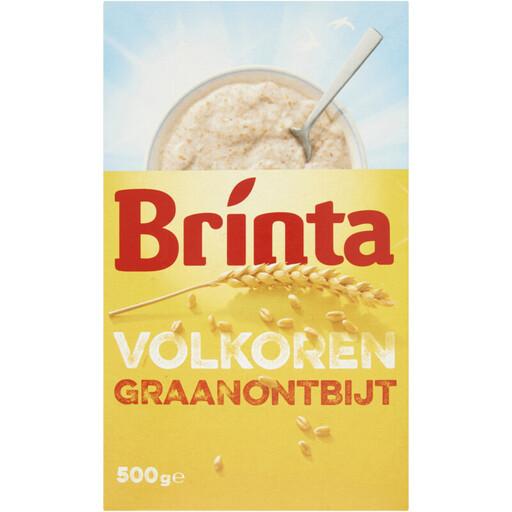
For anyone who wants a soft wheat base instead of crunchy flakes. According to Jumbo’s product information, Brinta Volkoren graanontbijt contains wholewheat flour and salt, and provides 10 g of fibre per 100 g. Check the label if wheat or gluten is relevant to your choice.
 No image available
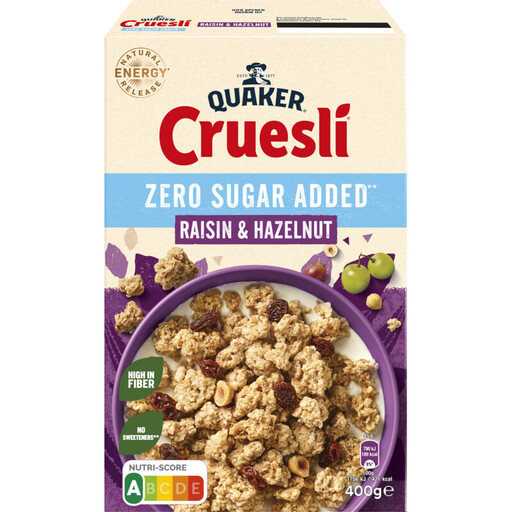
A cruesli for anyone considering a crunchy bowl with raisins and hazelnuts, rather than classic flakes. Check the nutritional information on the pack before comparing fibre, sugars or salt per 100 g with other products; check the allergen information, too.
 No image available
An oatmeal option for anyone who’d rather make a soft or warm breakfast bowl than eat crunchy flakes. Check the pack for ingredients, nutritional values and any information about other cereals.
 No image available
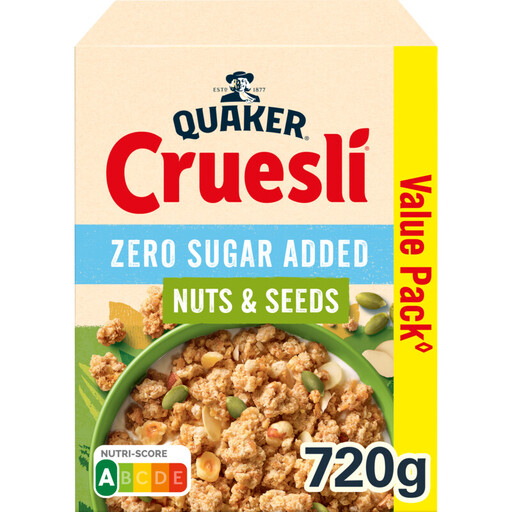
For anyone looking for crunchy cruesli with nuts and seeds instead of plain flakes. Use the current pack to compare nutritional values on a like-for-like basis, and read the allergen information before choosing.
 No image available
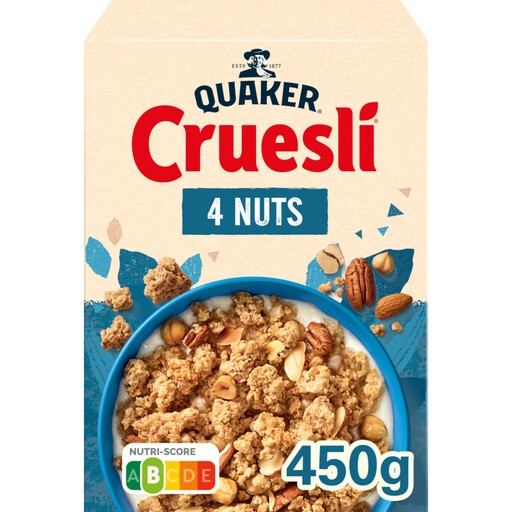
A crunchy cruesli for anyone who wants nuts in their breakfast bowl and isn’t looking for classic flakes. Check the pack for wholegrain ingredients, nutritional values and allergens; compare sugars and salt per 100 g with other options.
No. Wholegrain describes the cereal base and doesn’t automatically mean the product is low in sugar. Albert Heijn lists 12 g of added sugars per 100 g for AH Bran flakes volkoren; compare the ingredients and nutritional information of other products on the same basis.
Choose a soft grain base if that’s the kind of breakfast you want; go for flakes if crunch matters more to you. Brinta and Jumbo Ontbijtpap Volkoren are wheat products for a soft bowl, while AH Bran flakes offer a different texture. Then compare the ingredients and nutritional values of each product.
Read the current ingredients list and any may-contain warnings on the pack you buy. According to the Netherlands Food and Consumer Product Safety Authority, the specific type of cereal must be named when it contains gluten; the word wholegrain doesn’t replace this check.
Seal the pack securely after use and follow the storage instructions for the specific product. Albert Heijn recommends keeping its Bran flakes in a cool, dark and dry place; check the label for other products.