
For anyone who likes taking their time over a warm bowl
You want to make porridge oats or wholegrain cereal on a Sunday and choose what to add, such as fruit, milk or yoghurt.


If you fancy a warm bowl you can customise yourself, consider porridge oats or wholegrain cereal; for a crunchy bowl with yoghurt or quark, try crunchy muesli, Cruesli or flakes. Compare products of the same type per 100 g for fibre, sugars and salt, and check the ingredients and allergens: the ‘wholegrain’ label doesn’t tell you what else is in the product.
You want to make porridge oats or wholegrain cereal on a Sunday and choose what to add, such as fruit, milk or yoghurt.
You’re looking for texture in your yoghurt or quark. With crunchy muesli and Cruesli, look beyond the grains and check the sugars, fat and other ingredients too.
You pay close attention to the exact variety because of allergens or a preference for less added sugar. Wholegrain doesn’t automatically mean a product is suitable for a gluten-free diet or a nut allergy.
First decide whether you want warm porridge or a crunchy bowl. Then compare the nutritional information for similar breakfast cereals per 100 g, as recommended by the Netherlands Nutrition Centre, and check the ingredients of the variety you choose.
| What to look for | What to check | Who it matters to |
|---|---|---|
| Wholegrain cereals and fibre | Check which wholegrains are listed in the ingredients and compare fibre per 100 g within the same product type. | I want a recognisable grain base for breakfast, so I look at the fibre content. This is the top priority for around 36% of consumers. |
| Sugars and ingredients | Compare sugars per 100 g and check whether the ingredients list includes sugar, syrup or honey, for example; the nutrition table doesn’t list added sugars separately. | With a crunchy variety, I want to know what’s in it besides grains. Around 29% of consumers give this label check their top priority. |
| Warm bowl and preparation | Check the preparation instructions and whether you need milk, water, a pan or a microwave. | I want a warm bowl on Sunday morning without a lengthy preparation. This is the top priority for around 21% of consumers. |
| Crunch and variety | Choose the type of product you want and, for crunchy varieties, check for nuts, other allergens and nutrition information per 100 g. | I’m mainly looking for something crunchy to add a different flavour to my yoghurt or quark, rather than having porridge. This is the main deciding factor for around 14% of consumers. |
Wholegrain breakfast cereals can also contain sugar, syrup, honey or oil. The front of the pack doesn’t always make these differences clear.
Read the ingredients and compare similar products per 100 g for fibre, sugars, fat and salt.
It’s difficult to compare the amount per serving with another product if the serving sizes shown aren’t the same.
Start by comparing the figures per 100 g. Then consider how much you put in your bowl.
According to the Netherlands Nutrition Centre, oats may come into contact with gluten during processing. Wholegrain wheat cereal also contains wheat.
If you have coeliac disease, check the current label and look for the Crossed Grain symbol on oat products. For other allergies, read the specific allergen information.
Offers both porridge oats for a bowl you can customise and crunchy Cruesli for yoghurt or quark.
Wholegrain cereal for anyone who wants a warm, porridge-like bowl made with wheat.
A good option to consider if you prefer flakes to porridge or crunchy muesli.
A supermarket own brand to consider when comparing organic crunchy muesli with nuts.
A brand to compare if you want to understand what a wholegrain label on breakfast cereals tells you.
These products show two ways to put together your Sunday breakfast: porridge oats or wholegrain wheat cereal for a warm bowl, and crunchy muesli or Cruesli for a bowl with yoghurt or quark.
 Image unavailable
For a warm bowl when you want to keep preparation time to a minimum. The product information says it takes two minutes to prepare; according to the nutritional information provided, this variety contains 9 g of fibre per 100 g. Check the allergen information if you need to avoid gluten.
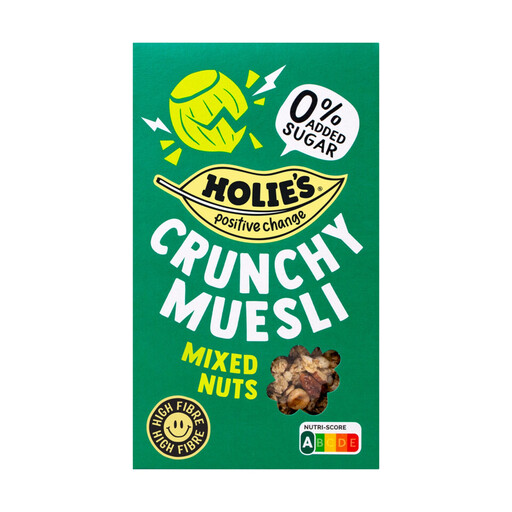 Image unavailable
A crunchy muesli for adding nuts and texture to a bowl of yoghurt or quark. If you have a nut allergy, check the ingredients and allergens on the pack; compare the nutrition information per 100 g with other crunchy muesli.
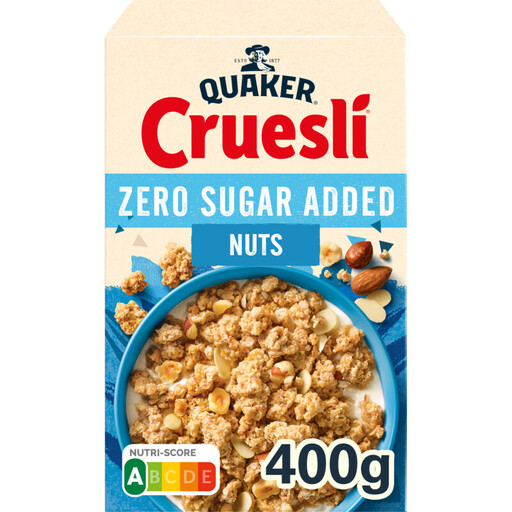 Image unavailable
A crunchy Cruesli variety for anyone who wants a bowl with nuts. Consider the ‘Zero Sugar’ claim alongside the sugars per 100 g and the ingredients list, and check the allergens if nuts or gluten are relevant to you.
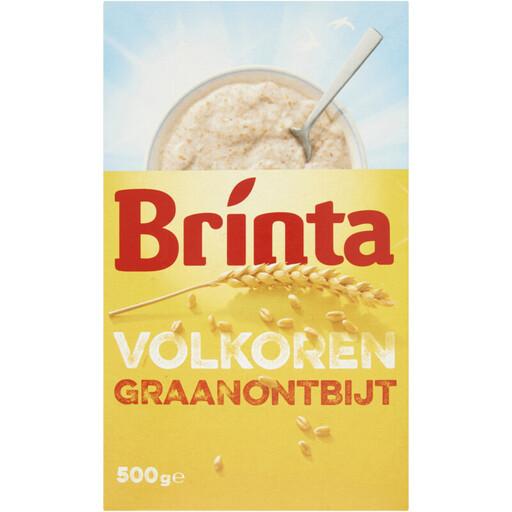 Image unavailable
For a warm, porridge-like bowl made with wholegrain wheat. The nutritional information provided lists 10 g of fibre per 100 g. This product contains wheat and isn’t suitable for anyone with a wheat allergy or following a gluten-free diet.
 Image unavailable
A porridge option for a bowl you can customise yourself. Check the preparation instructions if timing matters on your Sunday morning, and read the current allergen information if you have allergies.
Compare similar products per 100 g for fibre, sugars, fat and salt, rather than looking only at the figures per serving. Then read the ingredients list to see which grains and any added ingredients the variety contains; this follows the comparison advice from the Netherlands Nutrition Centre.
No. Porridge oats are made from oats, whereas Brinta Wholegrain Cereal is made with wholegrain wheat, according to the product information provided. Both can be prepared as a warm bowl, but bear in mind the differences in ingredients and allergens.
Don’t assume so without checking the specific product: according to the Netherlands Nutrition Centre, oats may come into contact with gluten during processing. If you have coeliac disease, look for the Crossed Grain symbol and read the current label on the pack.
Add the muesli just before eating if you want to keep it crunchy. Seal the pack well after use and, if you have allergies, check the ingredients and allergens of the variety you’ve chosen.
Check the allergen information and ingredients list on the pack of the exact product. The Netherlands Food and Consumer Product Safety Authority explains that 14 allergens must be declared on labels; a wholegrain claim doesn’t replace this check.