
First-time shopper buying a small grocery shop
You’re looking for a simple loaf for everyday use and don’t want to buy a larger pack than you can finish.


For your first grocery shop, choose a basic loaf in a size you can finish: a whole loaf works if you eat bread regularly or freeze it in portions, while a half loaf may suit you better if you eat less. Compare the type and weight of the bread, and check the ingredients, nutritional information and allergen information if you have specific requirements. Don’t assume a loaf contains baker’s salt based on its name.
You’re looking for a simple loaf for everyday use and don’t want to buy a larger pack than you can finish.
A half loaf may better suit how much you eat. If you have space in your freezer, you can also freeze a whole loaf in portions as soon as you buy it, as recommended by the Netherlands Nutrition Centre.
You want to check whether a loaf is wholemeal, what nutritional information is provided, and what the ingredients and allergen information say. If baker’s salt matters to you, check for it separately.
Start with the type of bread you want to eat, then choose a pack size that suits how much you use. Finally, check the label for anything that matters to you.
| What to consider | What to check | Who is this most important for? |
|---|---|---|
| Simple everyday bread | Check which type of bread you’re buying and whether it’s a whole or half loaf. Compare the same type and weight. | If I’m looking for a reliable staple for my first grocery shop, I don’t want to choose a speciality loaf I don’t need. Around 46% of consumers prioritise a simple choice of bread. |
| Wholemeal bread and the label | Check the ingredients, fibre per 100 g and, if it matters to you, whether baker’s salt has been used. | I want to choose a bread type carefully for everyday use and be able to see what’s in it. Around 36% of consumers prioritise information about wholemeal bread and its ingredients. |
| Portion size and waste | Work out whether you’ll finish a half loaf or can freeze a whole loaf in portions straight away. | If I only eat bread occasionally, I want to avoid having some left over to go stale. Around 18% of consumers prioritise reducing waste. |
Loaves can vary in weight and type, so the description on the pack alone won’t tell you how much bread you’re actually buying.
Check the type and weight of the bread before comparing two packs.
If you don’t eat many slices, some of the loaf may go stale or be left over.
Choose a half loaf if that suits you better, or freeze a whole loaf in portions as soon as you buy it. Take out only what you need each time, as recommended by the Netherlands Nutrition Centre.
According to the Netherlands Nutrition Centre, bread does not have to be made with baker’s salt. The type of bread or its artisan appearance won’t tell you whether it has been used.
Check the ingredients list, or ask which salt has been used if the bread is unwrapped.
Ingredients and allergen information relate to the specific product. A previous purchase doesn’t necessarily tell you anything about the pack you’re choosing now.
Check the latest information before buying, and ask about allergens if the bread is unwrapped. The Netherlands Food and Consumer Product Safety Authority explains which allergens must be listed on labels.
Albert Heijn offers basic wholemeal bread as well as other types. That gives you a choice within one shop for your first grocery shop.
Jumbo is worth considering if you want to check the product information for a basic wholemeal loaf.
Lidl lists Fijn volkoren as an option for anyone looking for a basic loaf while shopping.
ALDI offers Fijn volkoren as both a whole and a half loaf, making it easy to choose the quantity you need.
PLUS offers basic wholemeal loaves alongside other types of bread, including sourdough.
Dirk offers several whole wholemeal loaves for anyone looking for everyday bread for their first grocery shop.
These products offer different types of bread and pack sizes to explore for your first grocery shop. Lebanese flatbread, rye bread and a round loaf that needs baking aren’t used in the same way as a standard whole or half sliced loaf, so check which type suits your meals.
 No image available
Rye bread to consider if you’re looking for a pack of 9. Before buying, check the ingredients, allergen information and storage advice for this option.
 No image available
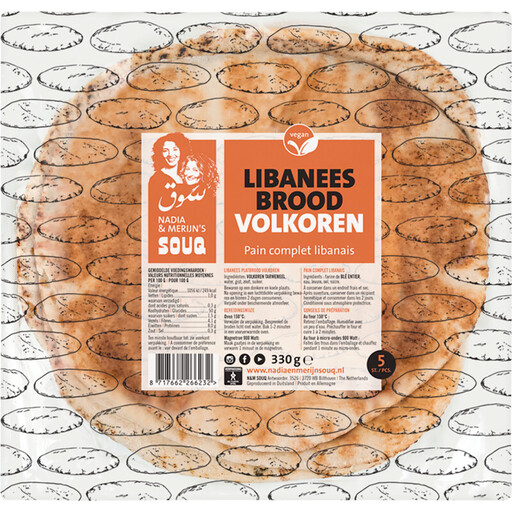
A different shape of bread from a standard whole loaf, in a pack of 6. Check whether this Lebanese bread suits the meals you’re buying bread for, and read the storage and allergen information.
 No image available
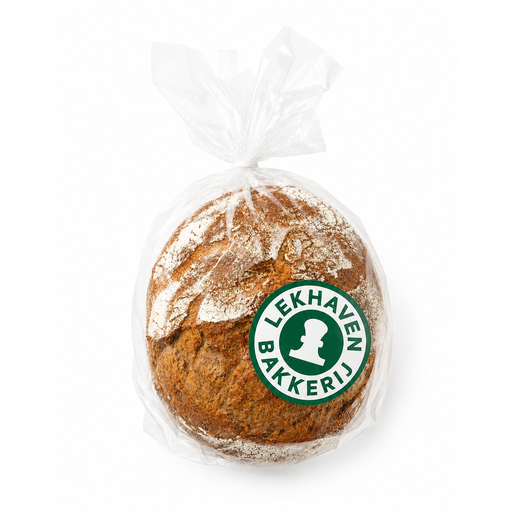
A round loaf to consider if you’re looking for this shape and don’t mind preparing it before eating. Allow time to defrost and bake according to the product instructions; the stated weight is 550 g.
 No image available
A rye bread product to consider if you’re looking for a 500 g pack. Check the exact shape of the bread and how it’s portioned before deciding whether the pack suits your needs.
No. According to the Netherlands Nutrition Centre, bread does not have to be made with baker’s salt. For packaged bread, check the ingredients list. If the bread is unwrapped, ask which salt has been used if this matters to you.
Check the type of bread and the nutritional information for the specific products, such as fibre per 100 g. The Netherlands Nutrition Centre describes wholemeal bread as containing fibre, vitamins and minerals. Also consider which flavour and pack size you’ll actually use.
Choose a half loaf or freeze a whole loaf in portions as soon as you buy it. The Netherlands Nutrition Centre recommends taking out only what you need each time.
Read the latest ingredients and allergen information for the exact loaf you’re buying. If the bread is unwrapped, ask about allergens before you buy it. The Netherlands Food and Consumer Product Safety Authority explains how allergens are listed on food labels.