
Vandaag of morgen in huis

Kwaliteit gegarandeerd

Welkomstaanbiedingen ontgrendelen: GRATIS bezorging | Tot 80% korting | Gratis 30 dagen JoyPlus-proefperiode
Download de app
Whole mung beans 400 g are a handy store-cupboard staple for anyone who loves making Thai and other Asian dishes. You can use these green beans for mung bean soup, mung bean porridge, desserts, curries and home-grown sprouts. However, not all packs are the same. The difference between whole and split mung beans, the origin and the allergen information are what determine whether a product is right for your kitchen.
A product page may simply say “mung beans”, yet the preparation method is very different. Whole green mung beans still have their skin and keep their round shape. Peeled, split mung beans generally cook faster and are more practical for porridge, purées and some desserts.
Want to use mung beans for sprouting? Then specifically choose whole beans and check that the pack doesn’t indicate they are split or peeled.
Mung beans are often promoted as a plant-based source of protein and a fibre-rich legume. So look at the nutritional information table rather than just the marketing copy. The product information for Sunlee states 23 g of protein and 330 kcal per 100 g, with 1 g of fat and 59 g of carbohydrates. These figures come from the product packaging; your actual portion will usually be cooked beans, which will have a different ratio per 100 g.
According to the ingredients list, whole mung beans consist of one ingredient: whole mung beans. The product information states that this product does not contain any of the 14 major EU allergens. That doesn’t automatically apply to every alternative. According to its product information, the Sunlee Peeled Split Mung Bean may contain traces of gluten-containing cereals, peanuts, nuts and sesame.
If you have allergies, always check the actual packaging. Then store dry beans in a cool, dry, dark place, tightly sealed. Do not use the beans if the packaging is damaged.
Choose whole mung beans when you:
Choose peeled, split mung beans when you mainly want to make a smooth mung bean porridge, purée or dessert. This product is not the same as whole green mung beans and therefore isn’t a direct substitute for sprouting.
A 400 g pack is suitable for home use and everyday cooking without having to store a large catering quantity straight away. Bear in mind that dried pulses increase in volume after soaking and cooking. Use a generous bowl and pan, especially if you’re preparing several portions at once.
Sort through the beans before use and remove any stones or damaged ones. Rinse them and soak according to your recipe. For soup and porridge, mung beans need to be cooked thoroughly until tender. If you’re making sprouts, pay extra attention to clean equipment, rinse thoroughly and maintain a suitable storage temperature. Always follow the instructions on the pack for sprouting and consume them fresh.
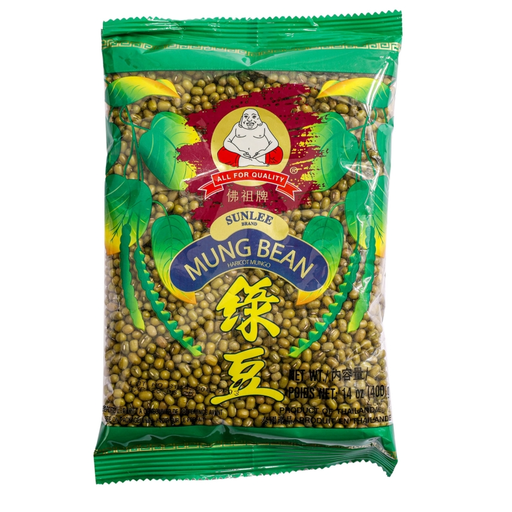
Why this fits the profile: A simple, single-ingredient product in a manageable pack for anyone wanting to use mung beans at home for the first time in soup, porridge or other dishes.
The product name explicitly states “whole mung bean”. This makes it clear you’re not buying a peeled, split variety.
400 g whole green mung beans; ingredients list with only whole mung beans; product information states none of the 14 major EU allergens.
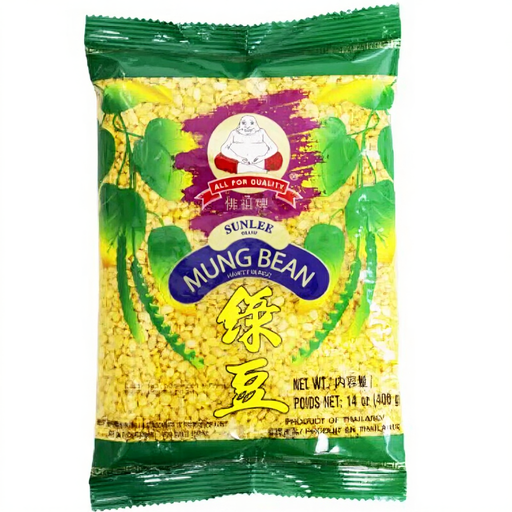
Why this fits the profile: Ideal for cooks who want a consistent, soft texture for mung bean porridge, desserts and recipes where the skin isn’t desired.
The product name makes it clear this is a peeled and split variety. So you’re less likely to confuse it with whole beans for sprouting.
400 g pack; peeled, split beans; product information states Thailand as country of origin.
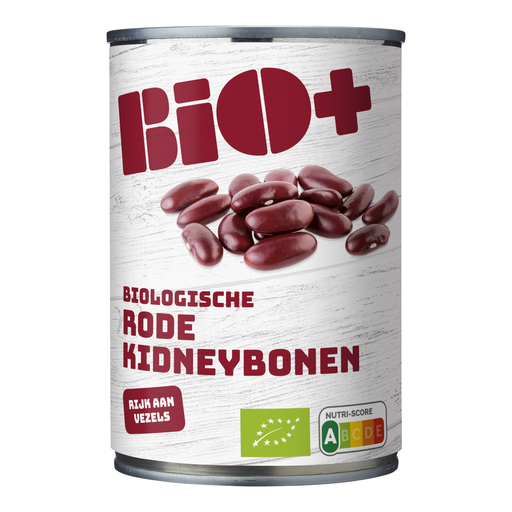
Why this fits the profile: An alternative for keen home cooks who want to use several types of pulses alongside mung beans in stews, salads and meal bowls.
The product name clearly states these are red kidney beans. This is not a substitute when a recipe specifically calls for green mung beans.
400 g pack; organic red kidney beans according to the product information; suitable for salads, stews and as a side dish.
We’ve put together a full, up-to-date list of products that fully meet these strict selection criteria and comply with current European safety regulations.
Yes, whole mung beans are the right type to use when you want to grow your own sprouts. However, do check the packaging and prepare the sprouts hygienically according to the instructions. Split mung beans are not suitable for this.
Unopened dried mung beans can be stored until the date on the pack, as long as they are kept cool, dry and out of direct sunlight. After opening, a well-sealed container is important to limit moisture and contamination. Always check the current best-before information on the label.
Green mung beans are typically whole beans with the skin on. Split mung beans are peeled and cut into halves. Whole beans are better suited to sprouting and dishes where the bean remains recognisable; split beans are practical for a soft porridge, purée or dessert.
