
Livraison le jour même et le lendemain

Qualité garantie

Débloquez vos offres de bienvenue: Livraison GRATUITE | Jusqu'à -80 % | 30 jours d'essai gratuits à JoyPlus
Téléchargez l'application
When you shop for whole grain rice online, you’ll quickly come across dozens of varieties with names like brown rice, Riceberry and black glutinous rice. Yet they differ significantly in cooking time, texture, flavour and how you use them. A striking packet or a claim about nutritional value doesn’t always tell you whether the rice will suit your meals.
With this practical buying guide, you can compare the key features and avoid a purchase you’ll regret.
Brown rice and whole grain rice usually refer to rice where the bran and germ layers are largely retained. This often gives a firmer bite and a longer cooking time than white rice. Black glutinous rice is different: this rice is designed to stick together after cooking and is widely used in desserts and certain Asian dishes.
So not every black rice is suitable as a loose side dish or salad rice. Check the product name and preparation method before you order.
Red, black and purple rice stand out in a salad or bowl, but colour doesn’t automatically determine flavour or texture. Red rice often has a firm bite, while Riceberry rice, according to the product description, has a soft, slightly chewy texture and a mild, nutty aroma. Black glutinous rice, on the other hand, becomes soft and sticky.
So choose first based on the dish you want to make, and only then on appearance.
Whole grain rice often needs more water and time. For various Thai varieties, the stated cooking time ranges from around 20 to 40 minutes. Black glutinous rice sometimes needs to be soaked for 6 to 8 hours first. That’s inconvenient if you mainly cook quick weekday meals.
For meal prep and families, 1 kg or 2 kg is practical, but only if you use the rice regularly and can store it in an airtight container.
Pay attention to the description:
Compare the nutritional information table on the label, not just the marketing claims. In the product information provided, the fibre content varies, for example. Royal Tiger Riceberry Rice states 4.1 g of fibre per 100 g, while Royal Tiger Brown Jasmine Rice states 3.1 g. Kaset Thai Rice Berry mentions 4 g of fibre per 100 g.
These values can differ between brands and products. So always check the current packaging. A higher fibre content doesn’t automatically make a product suitable for every recipe or diet.
Check whether the ingredients list contains 100% rice and note the country of origin. Many types of Thai rice in the range come from Thailand, although the origin can vary per item. Sunlee Black Glutinous Rice, for example, lists the United States as the country of origin, despite the Thai brand positioning.
Rice is naturally gluten-free, but if you follow a strict gluten-free diet, always check the label and any cross-contamination information. Product information can change. The same applies to claims such as vegan, organic or free from additives: base your choice on the current packaging and certification, not just the product title.
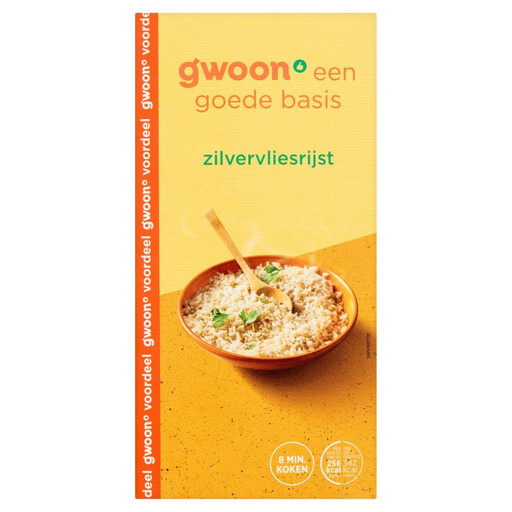
Why this fits the profile: A simple 1 kg packet of brown rice for everyday meals, salads and meal prep.
The product information clearly states brown rice as the ingredient, without a complicated rice mix or glutinous rice that wouldn’t suit every dish.
100% brown rice, 1 kg content and, according to the product information, suitable for vegetarians and vegans.
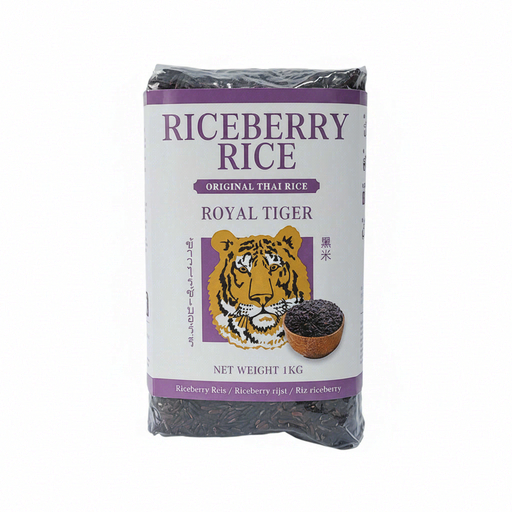
Why this fits the profile: Ideal for anyone looking for a striking Thai rice with a nutty flavour and a firm yet, according to the description, soft bite.
The product description mentions the variety, origin, texture and cooking ratio, so you don’t have to rely solely on the purple colour.
Thai whole grain rice, 1 kg packet and 4.1 g of fibre per 100 g according to the stated nutritional values.
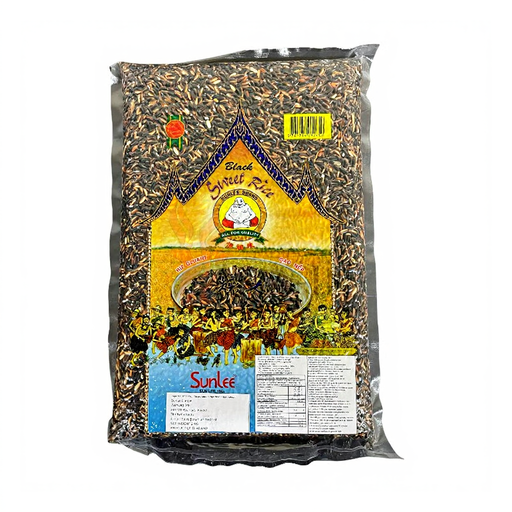
Why this fits the profile: The 2 kg packet suits families, frequent users and fans of Asian desserts.
The product name makes it clear that this is glutinous rice. So you won’t accidentally buy loose black rice for a dish that requires a sticky texture.
2 kg content, black glutinous rice and a product description that mentions use in both sweet and savoury recipes.
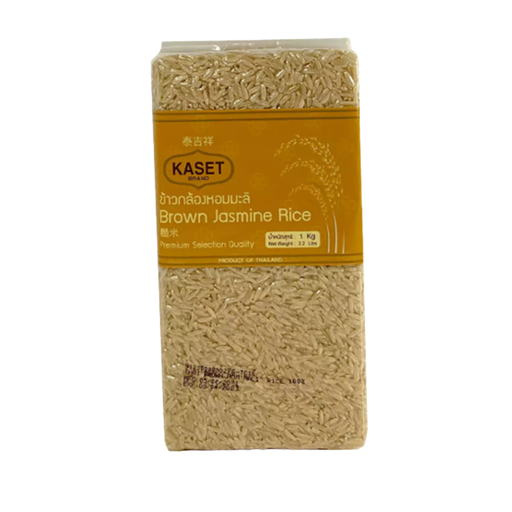
Why this fits the profile: A brown pandan-style rice choice for curries, stir-fries, salads and meals without animal ingredients.
The ingredients list states wholegrain jasmine rice and, according to the product information, no artificial colours or preservatives.
1 kg packet, 3.5 g of fibre per 100 g and, according to the stated information, gluten-free and suitable for vegans.
We’ve put together a full, up-to-date list of products that fully meet these strict selection criteria and comply with current European safety regulations.
Rinse whole grain rice before cooking when the product instructions advise it. For many red and brown varieties, use approximately one part rice to two parts water, but always follow the packet instructions. Riceberry may need 30 to 40 minutes according to the product information. Black glutinous rice sometimes requires pre-soaking.
Store unopened rice in a cool, dry place away from direct sunlight. Seal the packet well after opening or use an airtight storage container. Don’t leave cooked rice at room temperature for long; cool leftovers quickly and keep them in the fridge.
In the UK, these terms are often used for similar products: rice where the outer layers are largely retained. Always check the ingredients list and nutritional values, because varieties such as red rice, Riceberry and brown jasmine rice have their own characteristics.
Brown rice, red rice and Riceberry are practical options for bowls, salads and stir-fry meals. Choose a 1 kg packet or larger if you cook regularly. Check the cooking time in advance and prepare enough portions according to the storage instructions.
Pure rice naturally contains no gluten. However, production, packaging and product information can vary. When buying rice, always check the current ingredients list and allergen information on the packaging, especially if you need to follow a strict gluten-free diet.
