
Vandaag of morgen in huis

Kwaliteit gegarandeerd

Welkomstaanbiedingen ontgrendelen: GRATIS bezorging | Tot 80% korting | Gratis 30 dagen JoyPlus-proefperiode
Download de app
White trainers work with jeans, sportswear and a smart-casual outfit. However, not every white pair is suitable for everyday walking, training or running. A low price may be tempting, but the wrong fit, poor grip or difficult care can quickly make a purchase impractical.
This guide from the Joybuy Product Recommendation Officer helps you compare product specifications sensibly. You’ll learn what to look for in white women’s trainers, white men’s trainers and unisex trainers, as well as several models for everyday use and sporting activities.
A trainer with a dynamic shape is not automatically suitable as a running shoe. For running, cushioning, flexibility, stability, weight and grip are all important. A flat casual trainer may be comfortable for short walks, but less suitable for repeated training loads.
So start by considering how you intend to use them. If you’re looking for shoes for work, shopping and walking around town, casual trainers are often sufficient. For running or unpaved paths, running shoes or trail running shoes with a sole designed for that purpose are the more logical choice.
White leather, synthetic materials, mesh and textile respond differently to rain, mud and everyday care. A leather trainer may be easy to wipe clean, while an open mesh upper may offer better breathability but show dirt more quickly.
A well-known brand also doesn’t automatically tell you anything about the fit of every model. Check the stated width, size chart, fastening and materials. This allows you to compare, for example, PUMA trainers, Vans Old Skool and Skechers trainers based on specific features rather than appearance alone.
EU sizes are not identical across every brand. Measure both feet at the end of the day and compare the longer foot with the product’s size chart. Pay attention to width too: a narrow last can feel tight, while a model that is too roomy may slip.
Some models are available in sizes 36 to 42, but exact availability may vary by product and colour. Always check this on the product page before ordering.
Laces allow for small adjustments and can be useful when your feet swell slightly during the day. Look at the shape of the toe box, the heel construction and the stated fit, such as regular fit or a narrow version.
According to the product information, the PELLIOT Running Shoes are available in a standard version and a slim version for narrower feet. The stated foot lengths include 225 mm for EU 35 and 245 mm for EU 39. For other sizes, use the current table on the product page.
An EVA midsole is often used to create a lightweight, resilient midsole. With cushioned trainers, it’s important to check how the manufacturer describes the cushioning and what the model is designed for. A comfortable insole doesn’t turn a casual trainer into a running shoe.
Also check the outsole. A rubber sole may be suitable for everyday use, but the tread partly determines how much grip you’ll have on wet tiles or loose ground. For trail running shoes, a pronounced tread is more relevant than it is for shoes worn in the office or on city streets.
Mesh and woven textile are often associated with airflow in product descriptions. According to the brand’s own product description, PELLIOT uses a sandwich-mesh and woven upper to help remove heat and moisture. This is a product specification, not a guarantee that every wearer will have the same experience.
Leather and synthetic leather can generally be cleaned easily with a damp cloth. Washing instructions vary: according to the product information, some Skechers models may be washed on a delicate programme at up to 30 °C, while Vans advises avoiding machine washing and high temperatures. Always follow the care label for the pair you choose.
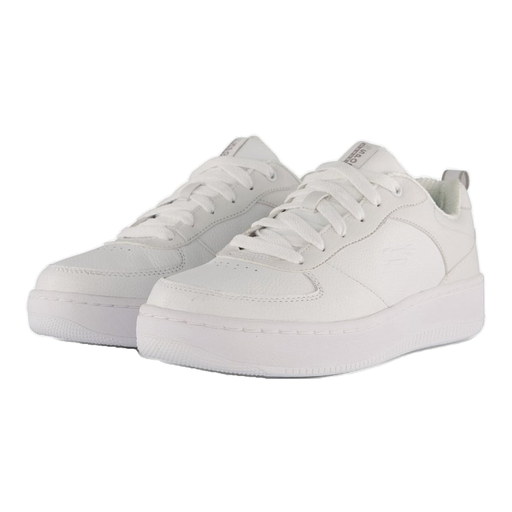
Why it suits this profile: This low-top model is designed for everyday use and combines a regular fit with a lace fastening. That makes it a practical choice for work, shopping and casual outfits.
The product information states that it has a rubber outsole, a 2 cm sole and a regular fit. You therefore don’t have to rely solely on the white colour or brand name.
Synthetic leather and leather upper according to the product listing; padded, air-cooled insole and rubber sole.
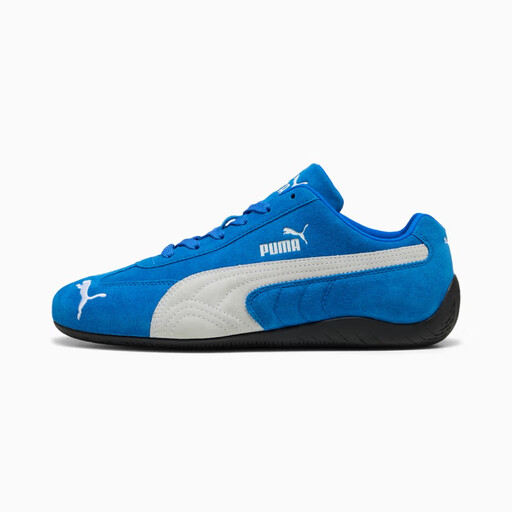
Why it suits this profile: This leather model is designed for those who value quality materials, a recognisable design and a polished casual look.
The listed materials, fit and sole are clearly specified. This means you can assess the model based on concrete information rather than marketing language.
Leather upper, textile lining, flat heel and rubber outsole according to the product information.
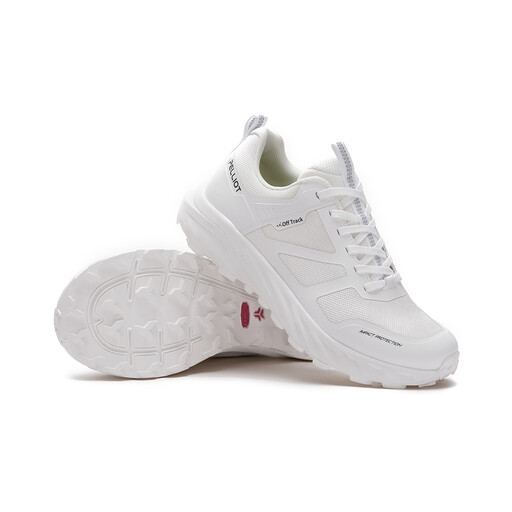
Why it suits this profile: According to the product information, this unisex model is designed for road-to-trail use and various surfaces. It suits users who combine walking, training and unpaved routes.
The description mentions an EVA midsole, a ROCKYTEC rubber outsole and a choice between standard and slim fit. This provides more information than a sporty appearance alone.
Lightweight mesh and woven upper; EVA midsole and rubber outsole with grip, according to the product listing, for wet rocks, mud and sand.
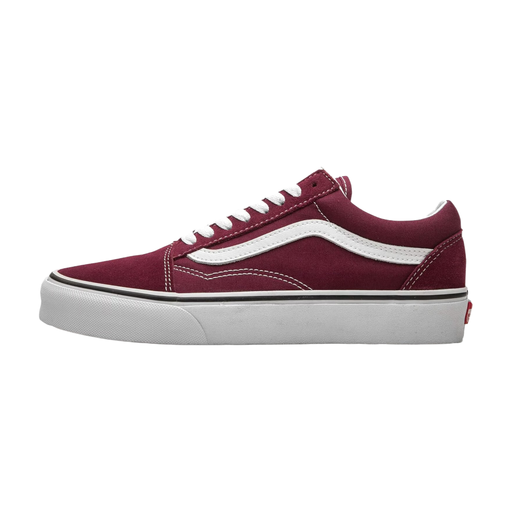
Why it suits this profile: The low-top shape and rubber sole are well suited to everyday use and a casual streetwear look, for example with jeans or wide-leg trousers.
The product information states that the upper is made from textile and that it has a rubber sole. Choose this model primarily for casual use, rather than assuming it is suitable for running.
Textile upper and lining, rubber sole and a soft collar around the ankle according to the product description.
We’ve put together a complete, up-to-date list of products that fully meet these strict selection criteria and the applicable European safety regulations.
Choose a model with a fit that doesn’t pinch, laces that can be fastened securely and a sole with sufficient grip. For use in town, comfortable trainers with a rubber outsole are often practical. For longer walks on unpaved ground, lightweight trainers with a deeper tread are more suitable.
Remove mud once it has dried, then use a soft cloth with lukewarm water. Leather and synthetic leather can usually be wiped clean in specific areas. Textile and mesh require more care. Don’t use bleach, and allow shoes to air-dry unless the care label states otherwise.
Their lifespan depends on how often you wear them, the surface you use them on, your body weight, care and the material. Wear on the outsole, loose seams or a permanently distorted fit are practical signs that it’s time for a replacement. Alternating between two pairs allows the material to dry between uses and reduces the daily strain on one pair.
