
Vandaag of morgen in huis

Kwaliteit gegarandeerd

Welkomstaanbiedingen ontgrendelen: GRATIS bezorging | Tot 80% korting | Gratis 30 dagen JoyPlus-proefperiode
Download de app
A brighter smile without a complicated treatment – that’s the appeal of whitening toothpaste. Yet not all products deliver the same results. Some formulas focus mainly on surface stains, while others emphasise sensitive teeth, fluoride or daily protection.
The right choice therefore starts not with eye-catching packaging, but with the product information. Pay particular attention to the following pitfalls.
Whitening teeth with toothpaste usually means removing surface stains from coffee, tea, red wine or tobacco. The natural tooth colour does not automatically change as a result. A toothpaste for stains is therefore different from a professional whitening treatment.
Claims such as “whiter in just a few days” should always be read in context. According to the brand’s own research, results may have been measured under specific usage conditions. So check whether it’s about removing surface stains or changing the tooth colour.
A whitening toothpaste can contain cleansing ingredients, such as silica or pyrophosphates. These help remove stains, but a hard brushing technique can irritate the gums. A mild formula won’t work well if you use too much pressure or brush for longer than recommended.
If you have sensitivity, it’s better to choose a product that clearly states this purpose, such as a toothpaste for sensitive teeth. Stop if irritation persists and ask your dentist for advice.
A toothpaste value pack only lowers the price per tube if you actually use that variant regularly. So check the total contents: three tubes of 75 ml together make 225 ml, while twelve tubes contain 900 ml. Compare the price per 100 ml and check the expiry information on the packaging.
For daily oral care, toothpaste with fluoride is a practical consideration. The products on offer often state a fluoride content of 1450 ppm, for example. Some variants use a different fluoride compound, such as sodium fluoride, sodium monofluorophosphate or stannous fluoride.
Always check the label and follow the instructions for use. Generally brush twice a day with a small amount, spit the toothpaste out and do not swallow it. Different amounts and supervision rules apply for children.
Ingredients such as hydrated silica and pyrophosphates are used in product formulas for cleaning or tackling stains. A formula for sensitive teeth may also contain potassium nitrate, for example. That doesn’t automatically make a product suitable for every user, but it does help tailor the choice to your situation.
If you mainly want to remove stains, you could consider a regular whitening variant. If you often struggle with cold or hot drinks, it’s a good idea to compare a mild whitening variant.
Whitening toothpaste is intended as part of a regular routine. So check:
A product that tastes pleasant and fits well with your routine is likely to be used more consistently than a variant that ends up sitting in the cupboard after a few days.
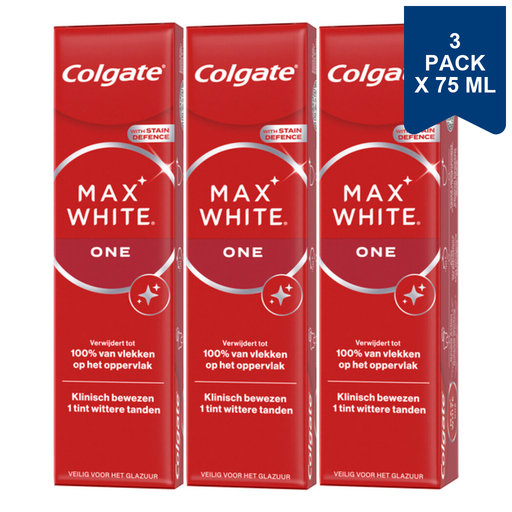
Why this fits the profile: The pack contains three tubes of 75 ml, so you get a supply for daily use without having to choose a large multipack straight away.
The product description distinguishes between removing surface stains and a whiter appearance. The packaging and contents are easy to check.
75 ml per tube, three per pack and, according to the product information, 1450 ppm fluoride.
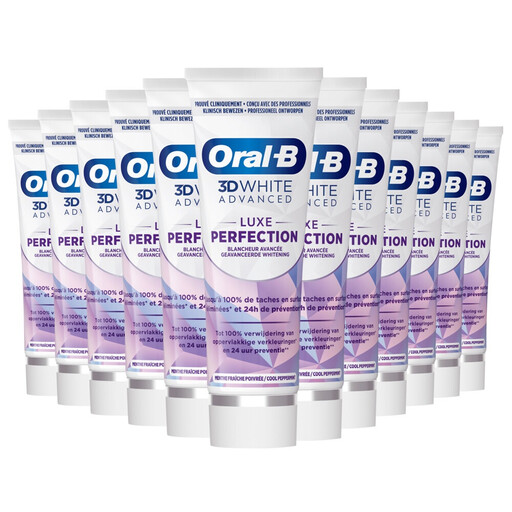
Why this fits the profile: For households that want to use the same whitening variant long-term, this pack offers twelve tubes of 75 ml.
The total contents are clearly specified. This allows you to compare the price per tube and per 100 ml rather than just looking at the promotional price.
12 x 75 ml, mint flavour and, according to the product description, sodium fluoride with 1450 ppm fluoride.
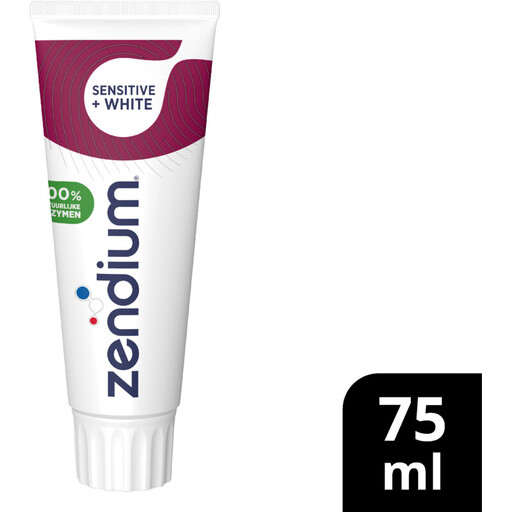
Why this fits the profile: According to the product description, this variant is developed for sensitive teeth and combines gentle cleansing with tackling stains.
The positioning isn’t just about whitening: sensitivity and gentle cleansing are explicitly mentioned. This helps with a more targeted choice than a general whitening claim.
75 ml, formula with potassium nitrate according to the ingredients list, and fluoride stated in the product information.
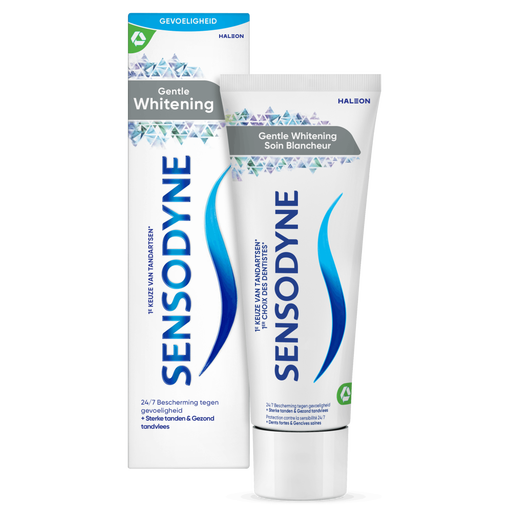
Why this fits the profile: A suitable choice for anyone looking for a mild whitening option and wanting to factor sensitivity into their daily dental care.
The product description mentions a low-abrasivity formula and focuses on surface stains. Still brush without applying excessive pressure.
75 ml, potassium nitrate according to the product description, and 1400 ppm fluoride according to the stated product specifications.
We’ve put together a full, up-to-date list of products that fully meet these strict selection criteria and comply with current European safety regulations.
No. Most variants are intended for surface stains on the tooth surface. These can be caused by food, drink or smoking. Deeper stains may not respond to ordinary toothpaste. Discuss persistent or noticeable stains with your dentist.
That depends on the instructions on the packaging and the formula you choose. Many products are designed for twice-daily use, but brushing harder won’t give faster results. Use a soft toothbrush and stop if you experience irritation or increased sensitivity.
A variant such as Zendium Sensitive Whitener or Sensodyne Gentle Whitening is, according to the product information, aimed at sensitive teeth. Check the ingredients, the fluoride content and the instructions for use. If the sensitivity persists, have your teeth assessed by a dentist.
