
Vandaag of morgen in huis

Kwaliteit gegarandeerd

Welkomstaanbiedingen ontgrendelen: GRATIS bezorging | Tot 80% korting | Gratis 30 dagen JoyPlus-proefperiode
Download de app
Coffee, tea, red wine and smoking can cause surface stains on your teeth. Whitening toothpaste can help remove this build-up as you brush, but it isn’t the same as professional teeth whitening. If you choose a product based only on words such as “white”, “deep clean” or “bright” on the packaging, you could end up with one that doesn’t suit your teeth or daily routine.
Most whitening toothpastes target surface stains. They can help reduce staining from coffee or tea, but they won’t necessarily change the natural colour of your teeth. So, a product with a bold whitening claim isn’t guaranteed to deliver the same results as a professional treatment.
Pay attention to the wording, too. For example, the product description for Oral-B 3D White Arctic Fresh refers to removing surface stains. Colgate Max White Ultra Deep Clean, according to the brand’s description, is designed to tackle deeper stains. These are claims made by the brands themselves, and results may vary from person to person.
A strong cleansing action or an intense mint flavour won’t suit everyone. If you have sensitive teeth, the ingredients and directions for use matter more than eye-catching packaging. Don’t brush harder to remove stains faster, as this could cause irritation.
Products such as Sensodyne and Elmex are specially developed for sensitivity. If sensitivity persists or gets worse, the product packaging advises you to consult a dentist. Sensitivity can have a number of different causes.
Whitening toothpaste is still a daily oral care product. Check whether it contains fluoride and how much. Many options in this selection list around 1450 ppm fluoride. According to the product information, fluoride helps protect against cavities and strengthen tooth enamel.
Use toothpaste as directed on the packaging. Children often need different amounts, and age recommendations may vary. This guide is aimed at adult consumers.
For many adults, fluoride toothpaste is a sensible choice for everyday brushing. Check the packaging for the type of fluoride salt and the total amount. The selection includes ingredients such as sodium fluoride and sodium monofluorophosphate. The amount listed varies by product, so always check the latest packaging.
Whitening is an added feature. It shouldn’t come at the expense of a routine that suits your oral care needs.
Whitening toothpaste may contain cleansing minerals or polishing ingredients. Hydrated silica appears in the ingredients lists for Prodent White + Fresh and several Oral-B products. This tells you something about the formula, but it doesn’t automatically indicate how quickly or visibly stains will disappear.
If you drink coffee or tea regularly, brushing consistently twice a day may help more than choosing a product with an aggressive marketing claim. Also check for flavourings such as menthol, limonene or mint oil if you’re sensitive to them.
A standard tube often contains 75 ml. This is practical for everyday use, while a 15 ml tube such as Aquafresh Whitening Mini is handy for your bag or a short trip. Multipacks, such as 2 x 75 ml or 5 x 75 ml, can reduce the price per tube. When comparing options, look beyond the promotional price and consider:
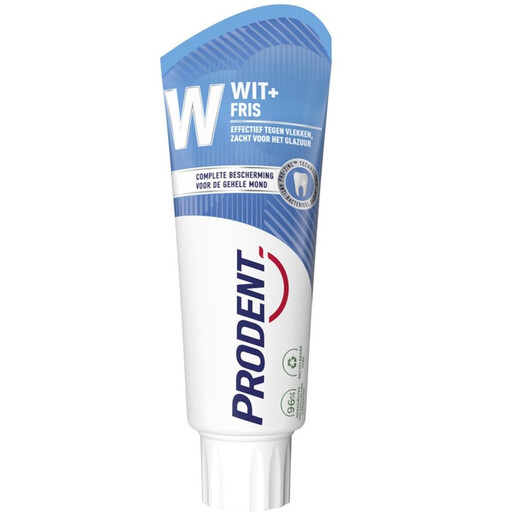
Why it suits this profile: A straightforward everyday toothpaste for anyone looking to tackle surface build-up without going straight for a specialist pen or multipack.
The product ingredients list hydrated silica and sodium fluoride. Check the latest packaging for directions for use and any warnings.
75 ml, fluoride listed in the ingredients and a fresh flavour with mint oil and menthol.

Why it suits this profile: Designed for adults who want to combine whitening with extra care for sensitive teeth and enamel protection.
The product information lists 8% arginine and 1450 ppm fluoride. Its whitening function is combined with a formula for sensitive teeth.
75 ml, sodium monofluorophosphate and, according to the description, the option to apply the toothpaste directly to a sensitive tooth.
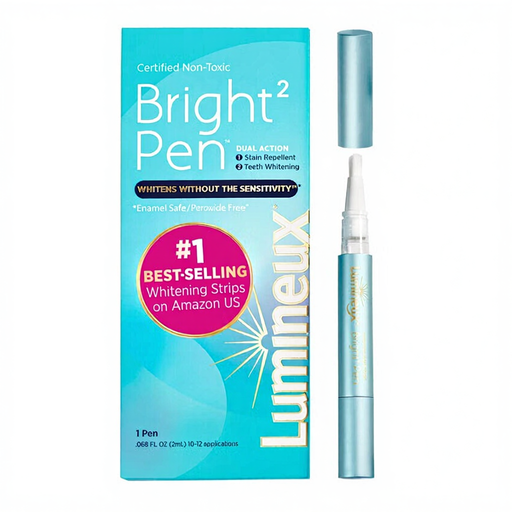
Why it suits this profile: Handy for when you’re out and about, at work or before coffee, tea or wine, when a compact applicator is more practical than a tube.
The pen is designed for targeted application and, according to the description, contains no strips. Lumineux’s claims about whitening without sensitivity and protecting against new stains are claims made by the brand itself.
Compact design, easy to apply without a toothbrush and suitable for quick touch-ups.
We’ve put together a complete, up-to-date list of products that meet these strict selection criteria and the applicable European safety regulations.
Whitening toothpaste can help remove surface stains caused by coffee, tea or wine. The results depend on the type of staining, your brushing routine and the product formula. Deeper or internal discolouration may not disappear with ordinary toothpaste.
That depends on the directions for use and the formula. Many products are designed for everyday use, but check the packaging and look out for signs such as irritation or sensitivity. If you have sensitive teeth, a product focused on sensitivity protection may be a better choice.
It depends on the size of the tube and how much you use. A 75 ml tube will generally last longer than a compact mini tube if you brush twice a day, while multipacks contain several tubes. How long it actually lasts depends on how much toothpaste you use each time you brush.
