
Vandaag of morgen in huis

Kwaliteit gegarandeerd

Welkomstaanbiedingen ontgrendelen: GRATIS bezorging | Tot 80% korting | Gratis 30 dagen JoyPlus-proefperiode
Download de app
Want to reduce surface stains from coffee, tea or fizzy drinks? Whitening toothpaste might seem like a simple solution. But products vary widely in their ingredients, fluoride content, flavour, packaging and usage advice. A bold claim on the packaging doesn’t always tell you exactly what to expect.
Most whitening toothpastes work primarily on stains on the tooth surface. They won’t automatically change the natural colour of your teeth, and they don’t replace professional treatment. With the right choice, however, you can get a practical toothpaste for whiter teeth, fresh breath and daily oral care.
Brands sometimes mention percentages for stain removal. According to the product description, Oral‑B claims up to 80%, 87% or 100% removal of surface stains, depending on the variant. These are product-specific claims, not a guarantee for every user. The result depends on factors such as the type of staining, brushing frequency and brushing technique.
So pay attention to the difference between surface stains and discolouration that sits deeper in the tooth tissue. A whitening toothpaste is mainly intended for the first category.
A toothpaste for stains usually removes deposits with cleansing ingredients such as hydrated silica or pyrophosphates. That’s different from bleaching teeth with a bleaching agent. Some products, like Oral‑B 3D White Luxe Advanced, use a formula that helps remove surface stains, according to the product information.
So expect a cleaner and possibly optically whiter surface, not automatically a drastic colour change. For persistent or noticeable discolouration, it’s wiser to consult a dentist.
A toothpaste for daily use should also fit your regular oral care routine. So check whether fluoride is listed and how much fluoride the product contains. Many commonly mentioned variants in this range contain 1450 ppm fluoride, including Oral‑B and Colgate products. According to the product information, fluoride helps protect against cavities and maintain strong enamel.
Do you have sensitive teeth, irritated gums or a burning sensation? Stop using the product if irritation occurs and, if necessary, ask a dentist for advice. A mild whitening toothpaste may then be more suitable than a formula with a strong cleansing feel.
For adults, fluoride is an important point to check. Look on the packaging for the type of fluoride and the stated level. The products below mention sodium fluoride or stannous fluoride, among others. Always follow the usage instructions on the packaging and do not swallow toothpaste.
Different amounts and age recommendations apply for children. Several products advise a pea-sized amount for young children and supervision during brushing. So always check the age indication before buying one toothpaste for the whole family.
Ingredients such as hydrated silica, alumina and pyrophosphates can help remove surface stains. That doesn’t mean every formula feels the same. A toothpaste with intensive cleaning or a strong mint flavour may be less pleasant for sensitive teeth or sensitive gums.
If in doubt, choose a variant that is explicitly aimed at gentle cleaning, such as a product with “Gentle Whitening” in the name. Brush with a soft toothbrush, light pressure and gentle movements. Brushing harder doesn’t automatically make a whitening toothpaste more effective.
Whitening toothpaste is often available in multi‑packs. So compare the total quantity and the number of tubes, not just the price of the pack. A pack of 12 x 75 ml is interesting for households that use the same product for a long time, while a single tube of 75 or 100 ml can be more convenient to try out first.
Also pay attention to the flavour: Soft Mint, Arctic Fresh, peppermint and green mint each give a different feeling after brushing. Fresh breath is mainly a user experience; don’t present a long‑lasting effect as a guaranteed result.
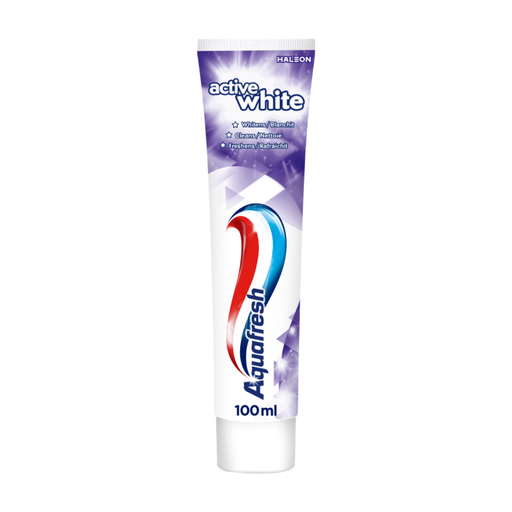
Why this fits the profile: A single 100 ml tube is practical if you want to try a whitening toothpaste first without buying a multi‑pack straight away. The product description mentions fluoride and daily use.
You buy a manageable amount and can judge the effect and flavour for yourself. The whitening claim is limited to restoring natural whiteness, according to the product description.
100 ml content; fluoride; according to the product information, suitable for daily use and aimed at surface deposits.
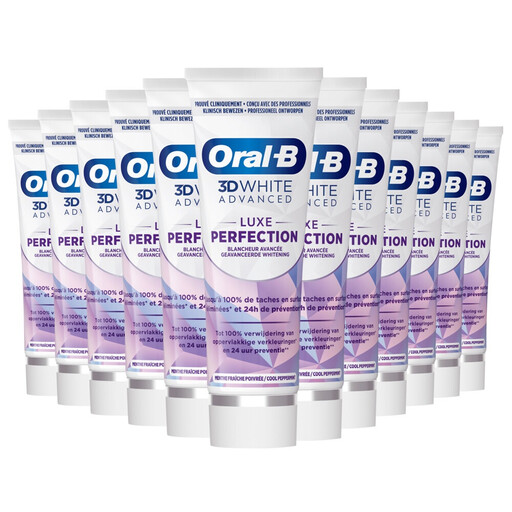
Why this fits the profile: This multi‑pack suits households that want a regular toothpaste for daily use and value a variant with whitening and fluoride.
The product information states 1450 ppm fluoride and describes the action as targeting surface stains. This lets you check the relevant specifications rather than relying solely on “Luxe”.
12 tubes of 75 ml; peppermint flavour; according to the product description, fluoride to support enamel.
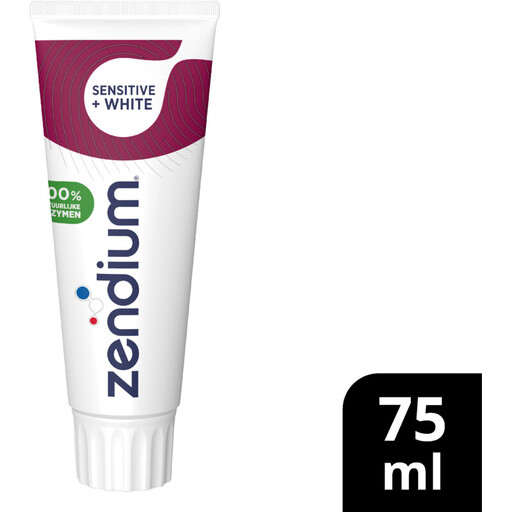
Why this fits the profile: According to the product description, this variant is developed for sensitive teeth and combines gentle cleaning with a whitening aim.
The product description emphasises gentle cleaning. This makes this choice relevant when a strongly abrasive feel or an overly intense mint flavour is unpleasant.
Aimed at sensitive teeth; contains fluoride and potassium nitrate according to the ingredients list; 75 ml.
We’ve put together a full, up‑to‑date list of products that fully meet these strict selection criteria and comply with current European safety regulations.
Whitening toothpaste can help remove surface stains caused by food, drink or deposits. The natural tooth colour or deeper discolouration usually doesn’t change in the same way. The expected effect varies from person to person and product to product.
That depends on the product instructions and your mouth’s sensitivity. Many variants are intended as a toothpaste for daily use, according to their product description. Stick to the recommended brushing frequency and stop if irritation or increased sensitivity occurs.
Fluoride is an important consideration alongside whitening. Many commonly mentioned products contain 1450 ppm fluoride and are intended to help protect against cavities or support enamel, according to the product information. Always check the label and, if in doubt, ask a dentist for advice.
