
Vandaag of morgen in huis

Kwaliteit gegarandeerd

Welkomstaanbiedingen ontgrendelen: GRATIS bezorging | Tot 80% korting | Gratis 30 dagen JoyPlus-proefperiode
Download de app
A whiteboard and noticeboard may seem like simple office essentials, but choosing the wrong one can quickly become inconvenient. A board that is too small will not leave enough room for a weekly plan. A smooth surface that does not erase marker ink properly will gradually turn into a collection of faint marks. And a noticeboard without secure fixings can come loose when documents or photos are regularly attached to it.
For home workers, students, teachers, families and small businesses, three pitfalls are particularly important:
Measure more than just the available wall space, and take the room around the board into account. You should be able to stand in front of it comfortably and add notes with ease.
Also consider the proportions. A wide board works well for timelines and weekly plans, while a squarer board may be suitable for short memos and photos.
A magnetic whiteboard combines writing with attaching documents. Check the product description to see whether the surface is magnetic and which accessories are included. A lacquered steel surface may be described in the product information as suitable for writing on and easy to clean, but the actual user experience also depends on the marker used and how the board is maintained.
A corkboard works differently. You use drawing pins or other suitable fixings to secure papers. This is useful when information needs to stay displayed for longer. For a bulletin board or planning board where documents are replaced frequently, the density of the cork and a stable frame are practical considerations.
Check:
Only use suitable markers on a dry-wipe whiteboard. Do not leave text on the board unnecessarily long, and remove residue with a dry eraser or a product stated in the product information to be suitable. With a noticeboard, it is sensible to remove old papers and damaged drawing pins regularly. This helps keep your office organisation clear and tidy.
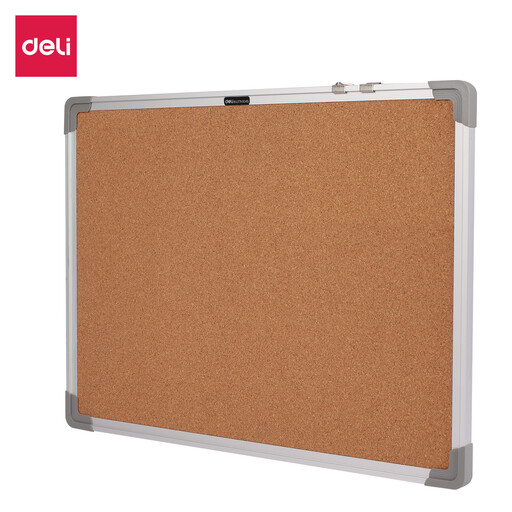
Why it suits this profile: The 24 × 18 inch size provides room for simple planning, short messages and documents in a home office or study area.
The fixed dimensions make it clear in advance how much space is available. The board is designed for pinning, so you will not expect a wipe-clean writing surface.
Cork surface for drawing pins; suitable for planning and displaying messages on the wall.
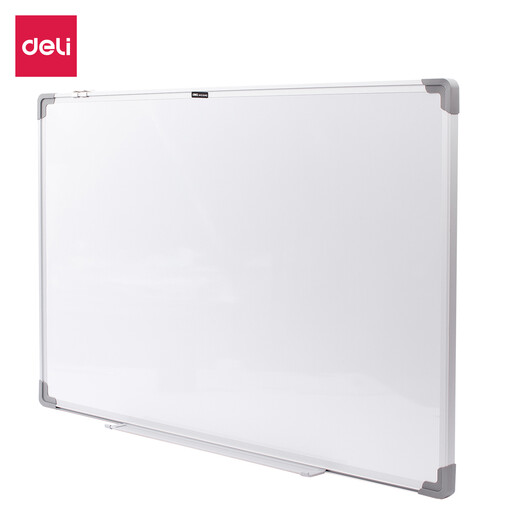
Why it suits this profile: The 1200 × 1800 mm dimensions are suitable for a spacious home-working area, study environment or shared planning space where several topics need to be displayed side by side.
The large writing surface reduces the risk of a plan becoming difficult to read because of limited space. Before buying, check the available wall width and mounting requirements.
Magnetic whiteboard; 1200 × 1800 mm size; silver-coloured frame according to the product name.

Why it suits this profile: This wide board is designed for meeting rooms and offices where a team needs to see notes, diagrams and action points at the same time.
The exact dimensions of 2000 × 1000 mm remove any uncertainty about the available writing area. Measure the wall and plan the installation with at least two people.
Large surface for conference rooms; white finish; designed for office and meeting-room use.
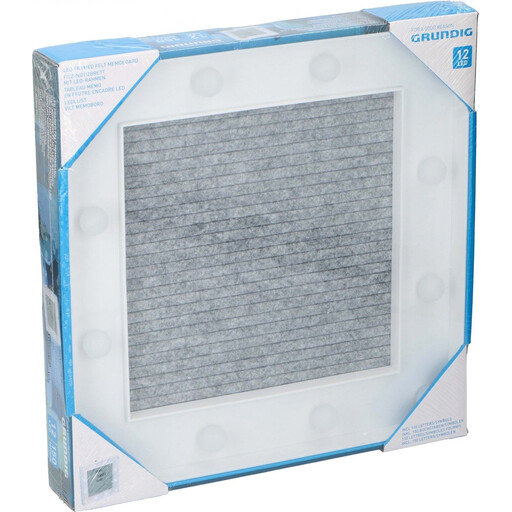
Why it suits this profile: This compact 30 × 30 × 4 cm memo board is designed for short messages and personal texts at home or in the office.
The dimensions and capacity of 150 letters give you a clear idea of how it can be used. It is not a replacement for a large planning board or dry-wipe whiteboard.
150 letters; grey felt surface; built-in LED lighting; runs on AA batteries, not included.
Accessories also affect how useful your office organisation can be. Magnetic dots are handy for colour-coding information on a magnetic board. For example, use one colour for deadlines, another for appointments and a third for tasks. Do check that your chosen board is magnetic; magnetic accessories will not stick to a cork surface.
A noticeboard requires drawing pins or suitable fixings. Do not place documents on top of one another when important information needs to remain visible. On a whiteboard, an eraser and markers in different colours help you separate sections. Choose accessories that are suitable for the surface, and take care when children can reach small parts.
We have put together a complete, up-to-date list of products that fully meet these strict selection criteria and the applicable European safety regulations.
That depends on how you use the information. A whiteboard and noticeboard each serve a different purpose. Choose a whiteboard for temporary notes, planning and explanations. Choose a noticeboard when papers, photos or messages need to remain visible for longer. A combination can be useful in a home office or classroom.
Check the supplied mounting hardware and the type of wall surface. Use fixings suitable for brick, concrete or plasterboard. A large 2000 × 1000 mm board must be mounted securely and should not hang solely from a loose hook. Always follow the manufacturer's installation instructions.
Its lifespan depends on the surface, the marker and how well it is maintained. Wipe notes off regularly, use suitable whiteboard markers and avoid leaving text on the board for long periods. Check the material specifications before buying, and keep the board dry and away from abrasive cleaning products.
