
Vandaag of morgen in huis

Kwaliteit gegarandeerd

Welkomstaanbiedingen ontgrendelen: GRATIS bezorging | Tot 80% korting | Gratis 30 dagen JoyPlus-proefperiode
Download de app
A whiteboard eraser may seem like a simple office cleaning essential, but small differences in material, size and care can affect how well it works day to day. An erasing surface that’s too hard can scratch the board, while a thin or poorly attached felt layer may stop picking up marker dust after a short time. A whiteboard eraser can also be awkward to use if it doesn’t feel comfortable in your hand.
For offices, schools, meeting rooms and home workspaces, these three pitfalls are particularly worth bearing in mind:
A soft felt erasing surface is suitable for dry-erase boards and can pick up marker ink without putting unnecessary strain on the surface. Also check the construction: a sturdy ABS handle helps you move the eraser evenly across the board.
Glass whiteboards need extra care. Always check whether the manufacturer says the product is suitable for glass. According to its product description, the Deli Whiteboard Eraser is suitable for whiteboards, dry-erase boards and glass boards. This is a product specification, not a guarantee that it will work with every type of glass or ink.
At 125 × 50 × 26 mm, it’s compact enough to hold comfortably while giving you control over small notes, diagrams and corrections. In a classroom or meeting room, a larger eraser may work faster across wide surfaces, but it will also take up more space in a drawer or pen pot.
Think about where you’ll use it:
A whiteboard eraser collects marker dust over time, which can cause streaks. Tap the eraser gently to remove the dust, or wipe it over a dry cloth. According to the product information, the felt surface on Deli models can be hand-washed with mild soap and water. Then leave it to air-dry completely.
Don’t use abrasive cleaners or put the eraser in the washing machine. Replace it when the felt is visibly worn or no longer picks up ink properly. A damp eraser can smudge ink, so use it dry on a dry-erase board.
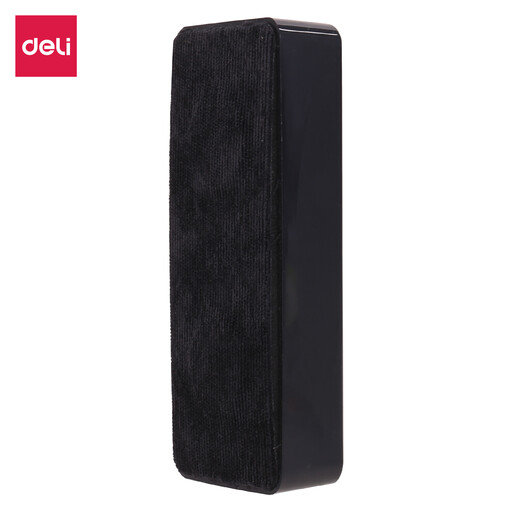
Why it suits this need: A compact black whiteboard eraser for home, a small office or a shared planning board. Measuring 125 × 50 × 26 mm, it’s easy to handle and store.
The felt erasing surface is designed for dry-erase ink, and its compact size means you won’t need to use a large block for small corrections.
125 × 50 × 26 mm; felt erasing surface; ABS handle; the black colour makes visible marks less noticeable.
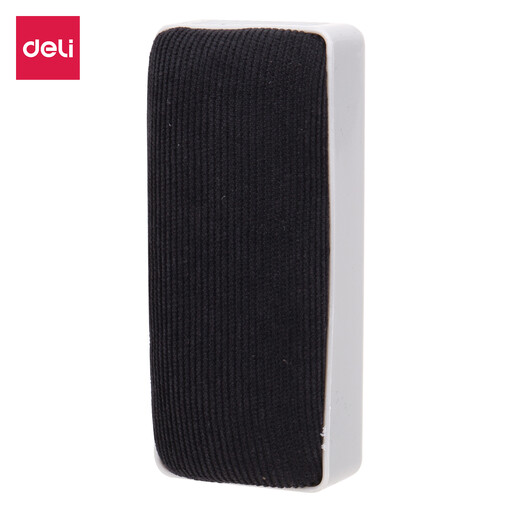
Why it suits this need: A good choice if you’re looking for a neat, understated whiteboard accessory for an office, meeting room or classroom. The grey finish works well in a variety of workspaces.
Choosing a model specifically described as a whiteboard eraser helps you avoid using a general-purpose eraser that isn’t designed for dry-erase ink.
Grey finish; designed as a whiteboard eraser; suitable for a shared professional space.
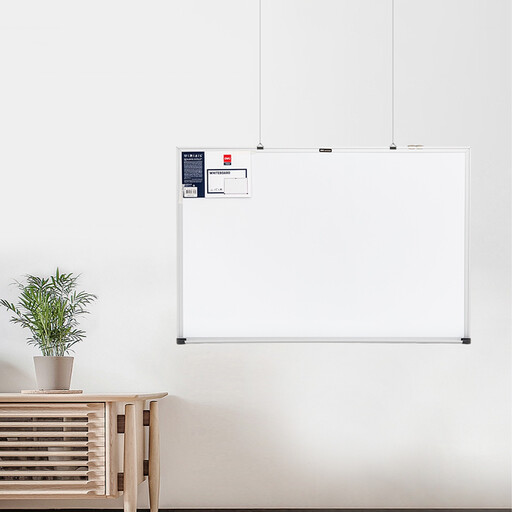
Why it suits this need: For meeting rooms, classrooms and anyone who uses a large writing surface every day and needs a suitable eraser to go with it.
With a large board, it’s more important to use an eraser designed for whiteboards than a general-purpose one. Clean the board and eraser regularly to help prevent streaks caused by a build-up of marker dust.
Board size: 1500 × 900 mm; designed for conference and office spaces; suitable for putting together a complete whiteboard set.
We’ve put together a complete, up-to-date list of products that meet these strict selection criteria and the current European safety regulations.
For everyday dry-erase markers, start with a dry whiteboard eraser. Use even strokes and don’t press harder than necessary. If a haze remains, clean the board with a product suitable for its surface. If you’re unsure, test the cleaner on an inconspicuous area first.
Avoid the following:
The black or grey colour of the handle doesn’t affect how well it erases. The felt surface, dimensions and care instructions matter more.
Gently tap out the marker dust or wipe the eraser over a dry cloth. If the model allows it, you can hand-wash the felt surface with mild soap and water. Leave the whiteboard eraser to air-dry completely before using it.
Its lifespan depends on how often you use it, the type of marker and how well you care for it. Replace the eraser when the felt becomes worn or hard, or starts leaving visible streaks. Tapping it out regularly can help it keep absorbing ink effectively for longer.
We don’t recommend it. A whiteboard eraser is designed for dry-erase ink. Permanent markers can leave stains on both the board and the felt. For these marks, only use a cleaning method that’s suitable for your type of whiteboard.
