
Vandaag of morgen in huis

Kwaliteit gegarandeerd

Welkomstaanbiedingen ontgrendelen: GRATIS bezorging | Tot 80% korting | Gratis 30 dagen JoyPlus-proefperiode
Download de app
A whiteboard seems simple: a board, a few markers and a whiteboard eraser. Yet most problems aren’t caused by the board itself, but by accessories that aren’t right for the way you use it. An eraser that leaves streaks, magnetic dots that barely stay put or a board that turns out to be too small for a meeting can quickly lead to extra costs.
With this guide, you can compare whiteboard accessories based on practical features. That way, you can choose the right options for an office, classroom, meeting room or home workspace.
A cheap whiteboard eraser may seem like a good buy, but its surface can quickly become clogged with ink residue. Instead of cleaning the board, you end up spreading old marks across it. So check the material of the wiping surface, the dimensions and whether the accessory can be cleaned.
A small board works well for a shopping list or a quick plan, but not for a team session with several people. On the other hand, a 2000 × 1000 mm conference whiteboard takes up considerably more wall space. Measure the available area first and work out how much information needs to be visible at once.
Terms such as “extra strong”, “professional” or “durable” don’t tell you much without technical details. Instead, check the dimensions, material, colour, pack contents and compatibility with the surface. If a brand makes a claim about how a product works, treat it as a claim from the product description, not a guaranteed result in every situation.
A dry-wipe whiteboard needs an eraser that’s suitable for dry-wipe markers. According to the product description, the Deli Whiteboard Eraser, measuring 125 × 50 × 26 mm, has a felt wiping surface and an ABS plastic handle. Its compact size is practical for small writing areas and detailed work.
For care, the product information says you can remove marker dust with a dry cloth or by gently tapping the eraser. You can hand-wash the felt surface with mild soap and water, then leave it to air-dry completely. Don’t use abrasive cleaners or put the eraser in the washing machine.
A whiteboard eraser isn’t designed for permanent markers or wet surfaces. Also check the felt regularly to make sure it’s still picking up enough ink. If it no longer does the job, it’s better to replace it than press harder, which could put unnecessary strain on the board’s surface.
A large board can make planning or presenting in an office or meeting room clearer. According to its product name, the Deli Whiteboard, measuring 2000 × 1000 mm, is intended for a conference room or office. Before buying, check the wall dimensions, fixing method and space around the board.
In a classroom, visibility from the back row matters as well as the board’s size. A smaller whiteboard is a better fit for a home office, kitchen or personal workspace, but offers less room for multiple columns, tasks and notes.
Magnetic dots and whiteboard magnets are useful for planning, colour-coding and displaying loose notes. Choose the diameter to suit what you want to attach. The 20 mm dots are compact enough for cards and lightweight memos; the 30 mm dots stand out more and are handy when you need to identify different categories at a glance.
If you want to display text that doesn’t need to be wiped off repeatedly, a memo board with letters could be an alternative. Check the set contents, size and power supply. The Grundig memo board has a grey felt surface, a white frame, built-in LED lighting and 150 letters. The lighting runs on AA batteries, which aren’t included according to the product information.
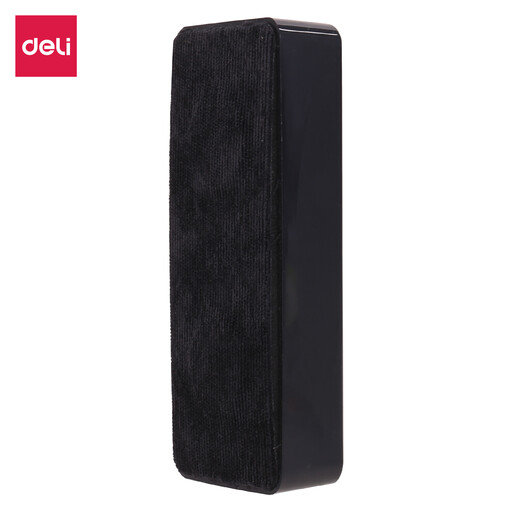
Why it suits this profile: A compact whiteboard eraser for home workers, students and small workspaces where you mainly need to wipe away occasional notes.
The stated dimensions and felt wiping surface make it easier to assess this option, rather than relying on a marketing term alone.
Felt with an ABS handle; compact 125 × 50 × 26 mm size; according to the product description, suitable for whiteboards, glass boards and dry-wipe surfaces.

Why it suits this profile: A good choice for organisations looking for one large writing surface for meetings, presentations and collaborative planning.
The fixed size helps you avoid choosing a board that’s too small for a meeting room. Be sure to measure the wall and access routes beforehand.
Large 2000 × 1000 mm writing surface; the product name states that it’s intended for conference rooms and offices.
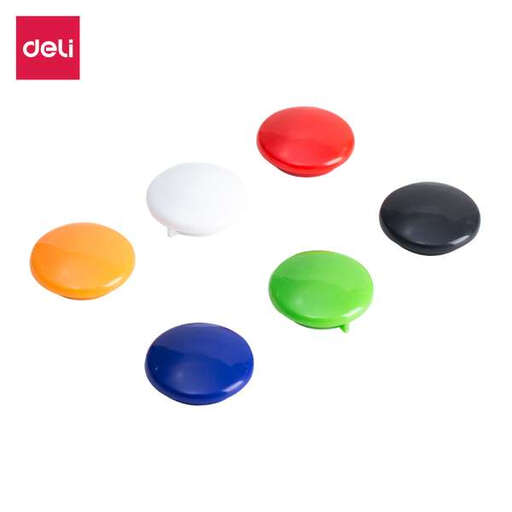
Why it suits this profile: Handy for teams, teachers and planners who want to organise information visually using colour.
The 30 mm diameter and assorted colours are clearly stated, so you can judge whether the dots will suit your planning and board layout.
30 mm diameter; multiple colours; suitable as an office supply for visually organising notes.
We’ve put together a complete, up-to-date list of products that meet these strict selection criteria and the applicable European safety regulations.
For a basic set-up, you’ll need a whiteboard, dry-wipe markers and a whiteboard eraser. Whiteboard magnets or magnetic dots are useful for planning or presentations. In a classroom, having several erasers and colour-coded magnets can save time during everyday use.
Gently tap out loose marker dust or wipe the eraser with a dry cloth. For more stubborn dirt, you can hand-wash the felt part with mild soap and water, according to the product information for Deli erasers. Let the eraser dry completely before using it again.
A memo board is ideal for fixed or decorative messages that you update regularly, such as a short announcement, plan or quote. A whiteboard is better for calculations, brainstorming and notes that you need to erase several times a day. If you choose a memo board with lighting, check whether it needs AA batteries and whether the letters are included.
