
Vandaag of morgen in huis

Kwaliteit gegarandeerd

Welkomstaanbiedingen ontgrendelen: GRATIS bezorging | Tot 80% korting | Gratis 30 dagen JoyPlus-proefperiode
Download de app
White wireless earbuds complement almost any style and are convenient for music, phone calls, travel and sports. However, many models look similar, while differences in comfort, battery life, moisture protection and noise cancellation can be substantial. Focusing solely on colour or a promising marketing term can therefore lead to an unsuitable purchase.
In this buying guide from the Joybuy Product Recommendation Officer, you’ll learn what to look for when choosing white wireless earbuds. The recommendations are based on verifiable product specifications and information provided by the respective brands.
Advertised playback time often applies per earbud and under specific conditions. Volume, noise cancellation and phone calls all affect actual battery life. Check whether the stated battery life refers to a single charge or to the combined runtime of the earbuds and charging case.
For example, the Sony WF-C710N is listed in the product information as offering up to 30 hours with noise cancellation and up to 40 hours without it. These are total figures; the specifications also state a separate playback time for each earbud.
IPX4 means that a product is protected against splashing water, such as light rain or sweat. It does not mean you can swim or shower while wearing it. Models with IP54 also offer limited dust protection, while IP68 indicates a considerably higher level of protection against dust and water. Always check the exact IP code and do not use the product outside the stated conditions.
Active noise cancellation, commonly abbreviated to ANC, reduces ambient noise using microphones and electronic processing. The result varies depending on the user, fit and acoustic environment. Low, consistent sounds such as train or aircraft noise are generally handled differently from voices or sudden sounds. Do not use ANC as a reason to completely ignore traffic noise.
With wireless in-ear earbuds, the earbud partially seals the ear canal. A good fit helps keep the earbuds securely in place and can improve sound isolation. Pay attention to:
An in-ear model with more features is not automatically more comfortable. For extended use, a lightweight model or open design may feel more pleasant. An open design also allows more ambient sound through, which can be desirable in certain situations.
Most modern Bluetooth earbuds work with Android and iPhone devices. Bluetooth 5.3 or 5.4 says something about the wireless connection, but not, by itself, about sound quality. Also check which audio codecs are supported, such as SBC, AAC or LDAC, and whether your smartphone supports them.
A feature such as multipoint can be useful if you want to connect to a laptop and smartphone at the same time. According to the product information, several Sony models include this capability. With Apple AirPods 4, the product information places the emphasis on integration with Apple devices, although they can also be paired with other devices via standard Bluetooth.
With earbuds with a charging case, the earbuds’ battery life is not the only relevant factor. Also consider:
A short charging time can be particularly useful when you’re travelling. According to the product information, the Sony LinkBuds Fit, for example, provides one hour of listening after five minutes of charging. Check for each model whether this figure applies only under certain settings.
For everyday use in the Netherlands, at least splash resistance is often practical. For sports, it is particularly important that the model is suitable for sweat and rain, without assuming that it is completely waterproof. According to the product specifications, the Anker Sport X20 has an IP68 rating, while several Sony models list IPX4. Always follow the manufacturer’s usage and care instructions.
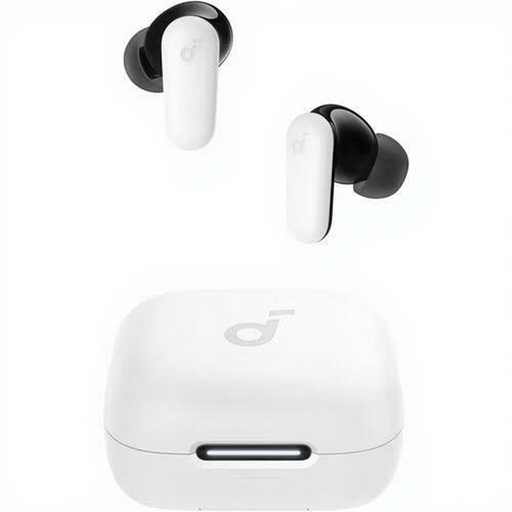
Why it’s a good fit: A practical choice for everyday calls, music and travel. The white version features Bluetooth 5.4, four microphones and a charging case.
The specifications state up to 10 hours of battery life, IP54 and USB-C. This makes the key usage conditions clearer than with models that rely solely on general claims.
Up to 10 hours of playback, four microphones, touch controls and an included charging case.
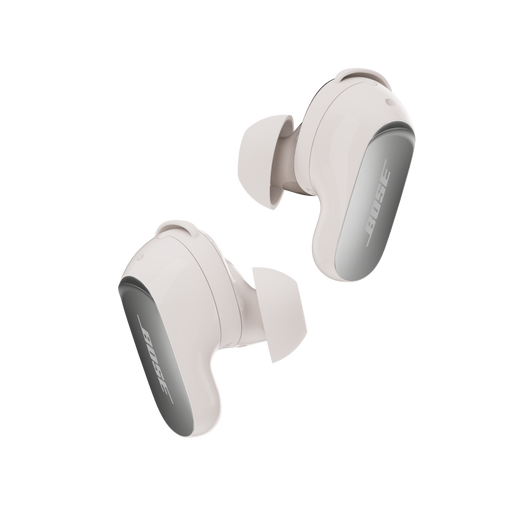
Why it’s a good fit: Designed for listeners seeking adjustable noise cancellation, a personalised fit and an extensive selection of ear tips and stability bands.
The product information distinguishes between Quiet, Aware and Immersive Audio modes. Battery life is also stated separately for the different listening modes.
Up to 6 hours of playback in Quiet or Aware mode, wireless charging and multiple fit options.
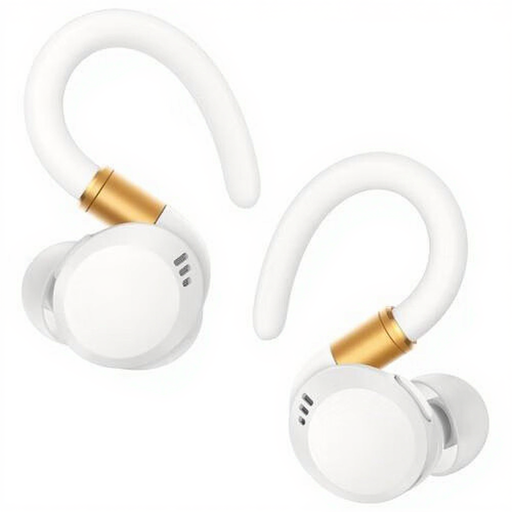
Why it’s a good fit: Designed for calls, music, sports and everyday use. The in-ear construction and IP68 rating suit an active routine.
The protection is not described merely as “built for sports”; IP68 is stated specifically in the product specifications. Still, consult the full manual before using the earbuds in water.
Up to 12 hours of playback per charge, physical buttons and support for AAC and SBC.
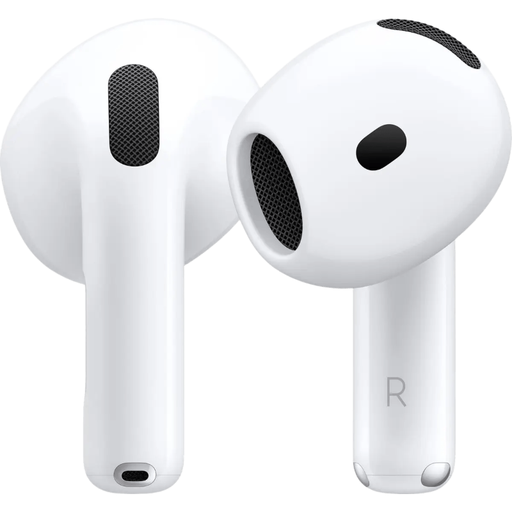
Why it’s a good fit: Ideal for users seeking a lightweight white model with simple controls and seamless Apple integration.
The product specifications clearly state that this model does not have active noise cancellation. You therefore do not pay for a feature you do not need.
Bluetooth 5.3, USB-C, a stated total battery life of 30 hours and a weight of approximately 8.28 grams per set according to the product information.
Browse our current selection of white wireless earbuds and compare models by features, fit, battery life and intended use.
Yes. Most true wireless earbuds connect via Bluetooth and are therefore compatible with Android and iPhone. Features such as multipoint, an equaliser app or a voice assistant may vary depending on the operating system. Check compatibility before placing your order.
Battery life depends on battery wear, charging habits, moisture and everyday use. A battery may hold less charge over time. Store the earbuds in their case, avoid extreme heat and charge them with a suitable USB-C cable. Do not use them at high volume for extended periods, and take regular breaks.
They can be suitable for both, but in addition to ANC, consider the number of microphones, call mode and fit. A model that effectively reduces ambient noise is not automatically the best choice for calls in windy conditions or heavy traffic. Compare the specific product specifications and choose a mode that allows you to remain sufficiently aware of your surroundings.
