
Vandaag of morgen in huis

Kwaliteit gegarandeerd

Welkomstaanbiedingen ontgrendelen: GRATIS bezorging | Tot 80% korting | Gratis 30 dagen JoyPlus-proefperiode
Download de app
White wireless earbuds go with almost any style, but looks alone tell you little about how they’ll perform day to day. If you focus only on colour, discounts or the long battery life shown on the box, you could end up with earbuds that fit poorly, get dirty quickly or disappoint when you’re on a call.
Watch out for these three common pitfalls:
In-ear earbuds partially seal the ear with a silicone tip. This can help with bass and passive noise isolation. Check whether the earbuds come with several tip sizes. The wrong size can cause pressure, a loose fit or less clear calls.
Semi-in-ear models don’t sit as deeply and may feel more comfortable for everyday use. Open-ear earbuds let in more surrounding sound. That’s useful when you’re out walking, but music may sound less immersive on a busy train.
Always compare two figures:
A model offering 7 to 10 hours per charge may be enough for your commute and a working day. The case matters most if you’ll be away from a power socket for several days. Check the connection, too. USB-C earbuds are handy if you already use a USB-C cable for your phone or tablet.
Fast charging can be useful, but look for the exact specification, such as a set number of minutes’ charging for a set number of hours’ listening. Don’t expect every charger or set of usage conditions to deliver exactly the same result.
An IP code uses numbers or an X when a component hasn’t been tested. A rating such as IP54 offers protection against dust and splashes according to the product specifications. IPX4 is designed to protect against splashes, such as sweat or light rain. A higher rating, such as IP68 on some sports earbuds, indicates a greater level of protection, but always check the instructions for both the earbuds and the charging case.
Water-resistant doesn’t mean suitable for swimming. Dry the earbuds, especially the charging contacts, before putting them in the case.
A newer Bluetooth version, such as Bluetooth 5.3 or 5.4, can help provide a stable connection and lower power consumption. Your overall experience also depends on your smartphone, distance and any obstacles. Almost all the models discussed work with devices that support Bluetooth audio, but features such as an app, multipoint or MFi certification may vary between operating systems.
For earbuds for calls and music, the microphones matter more than their number alone. Four or six microphones may sound impressive on paper, but call clarity also depends on wind, traffic noise and software. Treat claims about AI noise cancellation as information from the brand’s product description, not as a guarantee that every call will be clear.
When choosing earbuds with noise cancellation, check that ANC is specifically listed as a feature. The Sony WF-C710N, Sony LinkBuds Fit, Bose QuietComfort Earbuds, Google Pixel Buds Pro and Soundcore Liberty 4 NC are described as having active noise cancellation in the supplied product specifications. Apple AirPods 4, on the other hand, are listed as not having active noise cancellation. This means the models aren’t directly comparable.
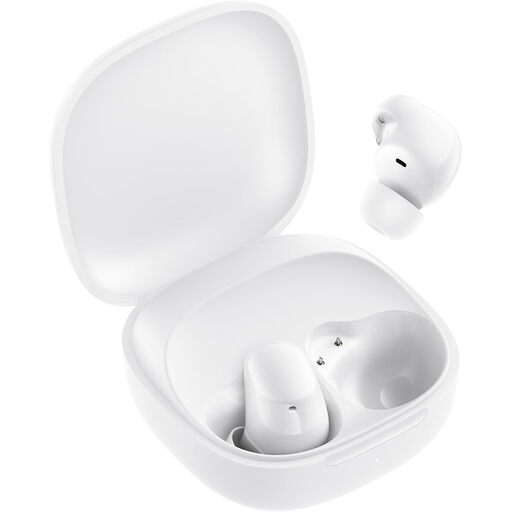
Why it suits this profile: This model offers Bluetooth 5.4, USB-C, up to 7.5 hours of listening per charge and up to 36 hours with the case, according to the product specifications. It’s a good fit for everyday listening without lots of extra features.
The battery figures are listed separately for the earbuds and the case. The IPX4 rating also makes it clear that this model isn’t designed for submersion.
Bluetooth 5.4, USB-C, lightweight earbuds and a case with extra charging capacity.
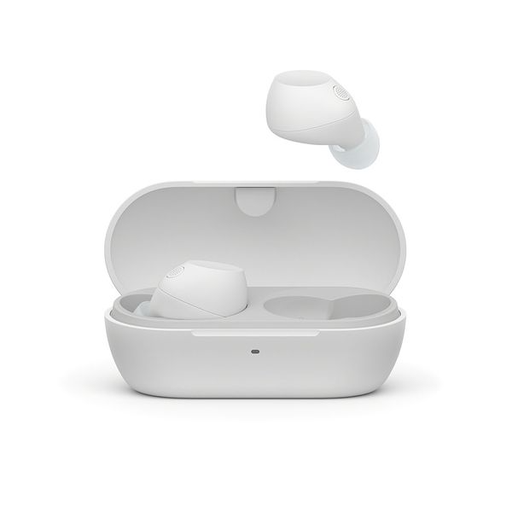
Why it suits this profile: The product specifications list active noise cancellation, multipoint, USB-C and an IPX4 rating. The stated listening time differs depending on whether ANC is on or off.
Battery life isn’t presented as a single fixed figure: according to the product specifications, it depends on whether noise cancellation is being used.
Active noise cancellation, multipoint connectivity, touch controls and fast charging, according to the product information.
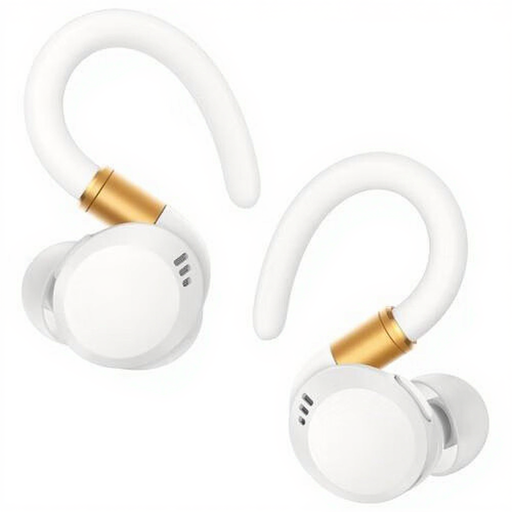
Why it suits this profile: According to the product description, this sports-focused model features IP68 protection, ear hooks, physical controls, a charging case and up to 12 hours of listening per charge.
The ear hooks are designed to keep the fit more secure while you’re moving. The stated IP68 rating offers more protection than models designed only to resist splashes.
IP68 according to the product information, an ear-hook design, USB-C and playback and volume controls.
We’ve put together a complete, up-to-date list of products that meet these strict selection criteria and the applicable European safety regulations.
Usually, yes, as long as your device supports Bluetooth audio. Extra features may vary. According to the product specifications, the Soundcore P41i is MFi-certified for iPhone and iPad. For Android phones, check that the accompanying app and features are supported.
Battery life depends on battery capacity, charging habits and volume. Keep your earbuds in their case, avoid exposing them to heat and charge them with a suitable USB-C charger. If listening time drops after a while, it’s often a sign of normal battery wear. A manufacturer’s warranty or statutory guarantee is separate from the expected lifespan.
Don’t use noise cancellation when you need to hear traffic or other warnings clearly. Follow local traffic rules and only use earbuds in situations where you can remain sufficiently aware of your surroundings.
