Choose wholemeal bread if bread is a regular part of your meals and fibre is a priority for you: according to the Netherlands Nutrition Centre, wholegrain products contain more fibre and other nutrients than white grain products. If you’re having coffee and cake as an occasional treat and would prefer a light, soft slice of bread, white bread may better suit your texture preference. In either case, compare the product name, nutritional information and ingredients of the bread you buy.
Who is this choice relevant to?
Households that eat bread regularly
If bread is a regular part of your meals, choosing between white and wholemeal may matter more than the texture you prefer for one coffee break. The Netherlands Nutrition Centre describes wholegrain products as higher in fibre than white grain products.
Those who care about the texture of their bread
With coffee and cake, a soft slice of white bread may seem more appealing than a firmer wholemeal option. These consumers want to weigh that preference against their wish to choose more fibre.
Shoppers who need to check the label
If ingredients, gluten-containing grains or the salt used matter to you, the type of bread alone won’t tell you enough. You’ll need to check the current label of the product you choose.
What should you look for when choosing?
First decide whether fibre in your everyday bread choice or the texture you want for this coffee break matters more. Then check the product information for the breads you’re considering.
| What to consider |
What to check when buying |
Who it matters to |
| Fibre |
Look for the wholemeal label and compare the fibre per 100 g on the nutritional information for the breads you’re considering. |
If I eat bread often, I want fibre to guide my everyday bread choice, even when there’s cake with my coffee. For around 50% of these consumers, fibre is the top priority. |
| Texture and occasion |
Consider whether you’d prefer white or wholemeal bread, and which format suits the occasion, such as a whole or half loaf. |
For an occasional coffee break, I mainly want to choose a bread texture I enjoy alongside the cake. Around 30% of these consumers give this preference priority. |
| Ingredients and allergens |
Read the allergen information and check the ingredients for baker’s salt if it’s relevant to your choice. |
Before buying, I want to check which grains and what type of salt are in the bread, rather than relying on its name. Checking the label is the top priority for around 20% of these consumers. |
Common mistakes
-
Assuming dark or multigrain bread is wholemeal
The colour, seeds or the word “multigrain” don’t prove that a loaf is wholemeal. If you’re specifically looking for wholemeal bread, you could end up choosing something with a different composition than you intended.
Check the product description and ingredients list. The Consumers’ Association points out that the word “multigrain” on its own says nothing about a product’s nutritional quality.
-
Assuming every loaf contains baker’s salt
If you’re looking for iodised baker’s salt in your bread, you can’t tell whether it’s used from the terms white or wholemeal. According to the Netherlands Nutrition Centre, bakers aren’t required to use baker’s salt.
For packaged bread, read the ingredients list. If you’re buying unwrapped bread, ask which salt has been used if it matters to your choice.
-
Relying on the type of bread alone when checking allergens
White and wholemeal don’t tell you which allergens are listed for an individual product. The Netherlands Nutrition Centre names wheat and rye among the grains that contain gluten.
Check the current allergen information on the packaging or ask about it when buying unwrapped bread.
-
Buying a whole loaf for one coffee break
If you only need a few slices, you may be left with the rest.
See if a smaller size would suit you, or store the leftover slices in a way that’s appropriate for the product.
A larger loaf means you’ll need to give more thought to storing and using the rest.
Brands to compare
Albert Heijn
Albert Heijn’s bread range includes both white and wholemeal bread, so you can compare the two types.
- The range includes white and wholemeal options.
- Compare the ingredients and nutritional information for each individual product.
Jumbo
Jumbo has a dedicated wholemeal bread category, with different loaf formats.
- The category offers several wholemeal options to compare by format.
- The fibre content of one Jumbo loaf won’t necessarily be the same as that of other varieties.
Lidl
Lidl uses its own fibre classification per 100 g for packaged bread.
- The classification can help you compare the fibre content of packaged loaves.
- Lidl states that its Fine Wholemeal bread is only available in store.
ALDI
ALDI’s fresh daily range includes white bread and several wholemeal options.
- According to ALDI, its wholemeal breads are made with 100% wholemeal flour.
- Check the packaging of your chosen loaf for its ingredients and nutritional information.
PLUS
PLUS has an online wholemeal bread category, including loaves in different formats.
- You can browse different wholemeal options in the category.
- Check the fibre and allergen information for each product before comparing varieties.
Dirk
Dirk’s bread range includes both white and wholemeal options.
- You can browse both types of bread in the range.
- The type of bread alone won’t tell you how much fibre the product contains per 100 g.
Bread options at Joybuy
These products showcase different types of bread for anyone who’d also like to consider a wholemeal option for coffee and cake. Crispbread, rye bread and part-baked bread don’t have the same texture as soft white bread, so choose a format that suits what you’d like to serve.
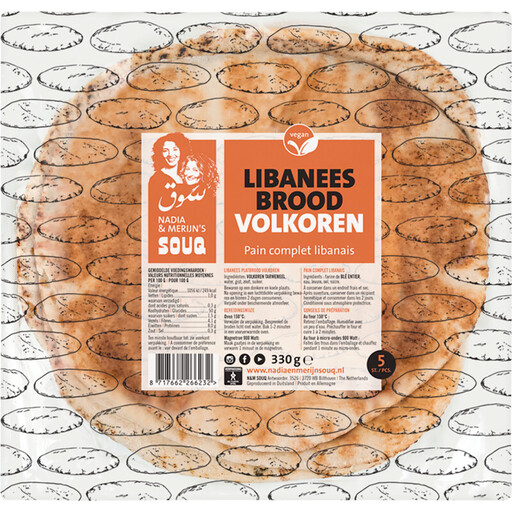 Image unavailable
Souq Lebanese wholemeal flatbread, 6 pieces
A flatbread option if you’d rather share bread at your coffee break than serve slices.
Check the current packaging for allergen information and details about the baker’s salt used.
View at Joybuy
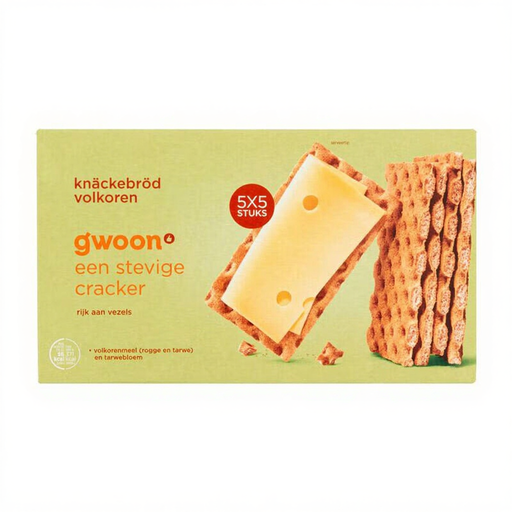 Image unavailable
g'woon wholemeal crispbread, 375 g
A good choice if you’re after something crunchy; crispbread isn’t a soft slice of bread and has a different texture.
The pack contains 375 g. Check the current allergen and ingredients information if it matters to your choice.
View at Joybuy
 Image unavailable
TastyBasics rye bread, 9 pieces
Rye bread has a different texture from the light white bread in this comparison. Consider it if you’re planning to serve individual portions.
The product name states that the pack contains 9 pieces. If the precise ingredients matter to you, check the current packaging.
View at Joybuy
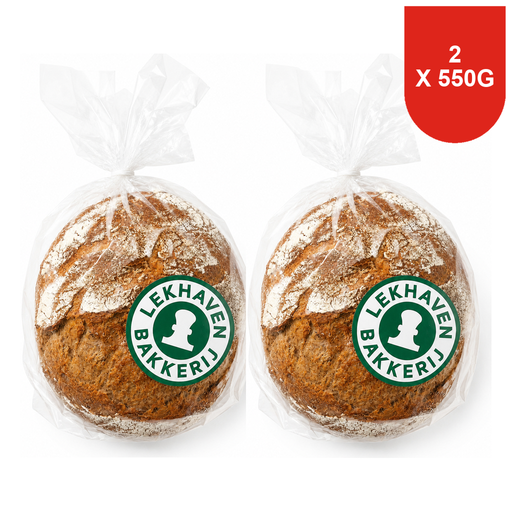 Image unavailable
Lekhaven Bakkerij round wholemeal loaf, 2 × 550 g
This pack of two round loaves suits you if you’re planning to use more than one loaf.
According to the product information, the bread needs to be defrosted and baked. When comparing fibre, use the same basis shown in the nutritional information on the packaging.
View at Joybuy
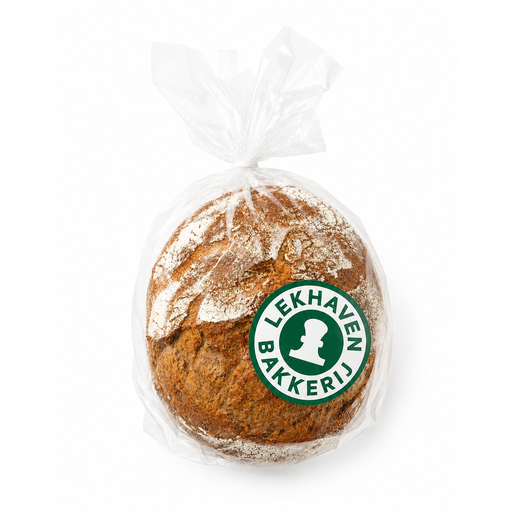 Image unavailable
Lekhaven Bakkerij round wholemeal loaf, 550 g
This single round loaf may suit you better than the twin pack if you want to bake just one loaf.
According to the product information, the bread needs to be defrosted and baked. For a fibre comparison, check the per-100 g value on the packaging.
View at Joybuy
Frequently asked questions
Is dark or multigrain bread automatically wholemeal?
No. A dark colour or seeds don’t prove that a loaf is wholemeal, and according to the Consumers’ Association, the word “multigrain” on its own says nothing about its nutritional quality. Look for the wholemeal label and read the ingredients list.
Does every loaf in the Netherlands contain iodised baker’s salt?
No, you can’t assume that. According to the Netherlands Nutrition Centre, bakers aren’t required to use baker’s salt. Check the ingredients on packaged bread or ask which salt has been used for unwrapped bread.
Do I still need to check for allergens in wholemeal bread?
Yes. “Wholemeal” doesn’t mean that a product is free from allergens. The Netherlands Nutrition Centre names wheat, rye, barley and oats among the grains that contain gluten, so check the allergen information for the individual loaf.
How do I compare the fibre content of two loaves?
Compare the stated amount of fibre per 100 g for the specific products. Also check the product name and ingredients: dark packaging or the word “multigrain” is no substitute for nutritional information.


