What should you consider when choosing?
Start with what matters most for your snack night: fibre, a shape that’s easy to share, preparation or allergen information. Then check the label and packaging of the bread you want to buy.
| What to consider |
What to check before buying |
Who it matters to |
| Fibre |
Check that it’s described as wholemeal and compare fibre per 100 g; bear in mind that portions may weigh different amounts. |
If I want to switch from white bread to get more fibre, I want to know what the bread I choose actually contains. Around 36% of consumers put this fibre choice first. |
| Bread shape |
Check whether sliced bread, baguettes, rolls or flatbread suits the way you want to serve it. |
For dips and sharing platters, I want bread that’s easy to share around the table. Around 29% of consumers put this shareable shape first. |
| Preparation |
Check the pack size and whether the bread is ready to serve or needs baking. |
When the number of people eating varies, I want to avoid leftovers and not find myself needing oven space unexpectedly. This convenience matters most to around 21% of consumers. |
| Allergens |
Read the allergen information on packaged bread; ask about it before buying unpackaged bread. |
If someone at the table needs to avoid certain ingredients, I want to be able to check the bread, dips and toppings too. Around 14% of consumers give checking allergens their highest priority. |
Bread options on Joybuy
These products offer different ways to serve bread on snack night, from shareable flatbread to rye bread, crispbread and a round loaf that needs baking. Crispbread makes a crunchy base for snacks, but it’s not a substitute for soft bread if that texture is important to you.
 No image available
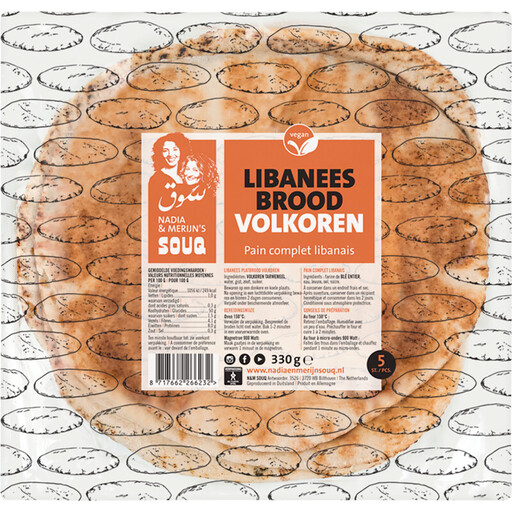
Souq Lebanese Bread Whole Wheat 6 P
Flatbread is easy to share with dips if you’d rather not serve sliced bread. Before serving it with other snacks, check the packaging for fibre per 100 g, preparation instructions and allergens.
View on Joybuy
 No image available
TastyBasics Rye Bread, 9 pieces
The pack of 9 may suit you if you want to serve rye bread in individual portions. Check the exact wholemeal ingredients, allergens and whether the product needs any preparation before serving.
View on Joybuy
 No image available
Bolletje Rye Bread Bun 500 g
This rye bread is an option if you want to serve bread alongside hot snacks. The name suggests a bread roll, while the further description refers to sliced rye bread. Check the actual shape and the allergens on the packaging.
View on Joybuy
 No image available
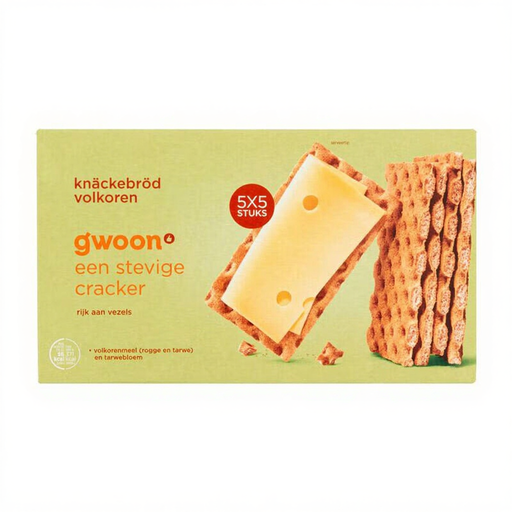
g'woon Wholemeal Crispbread 375 g
Crispbread is a good choice if you’re looking for a crunchy base for toppings or spreads, but it doesn’t have the texture of soft bread. If they’re important to your choice, check the nutritional information and allergens for this variety.
View on Joybuy
 No image available
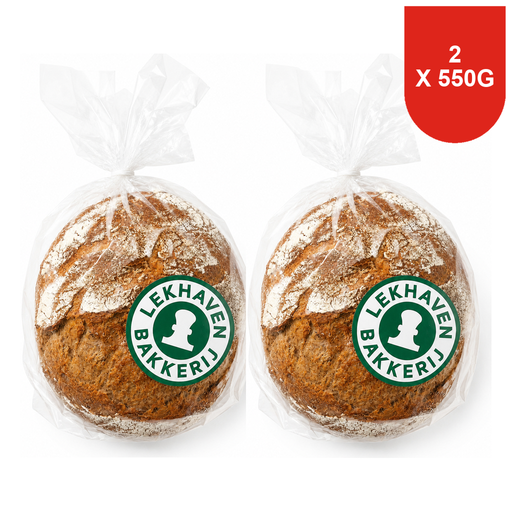
Lekhaven Bakkerij Wholemeal Round Country Loaf, 2 × 550 g
This round loaf is a good fit if you want to serve bread alongside your snacks and have time to defrost and bake it. Check the baking time on the packaging, and only compare fibre figures once you know what quantity they refer to. Check the allergens too.
View on Joybuy
Frequently asked questions
When should I choose wholemeal instead of white bread?
Choose wholemeal if fibre is the main reason you want to switch bread for snack night. The Netherlands Nutrition Centre gives figures of 3.4 g of fibre for a 50 g wholemeal roll and 1.2 g for a 45 g hand-cut slice of white bread. Compare specific products per 100 g, as these example portions don’t weigh the same.
Which shape of wholemeal bread works well with dips and sharing snacks?
Baguettes, rolls and flatbreads are easy to share with dips, while sliced bread is better suited to making topped bites. For your chosen variety, check whether it needs baking and how much bread you’ll need for your group.
How can I tell whether bread contains iodised salt?
If it matters to your choice, check the ingredients list of the specific bread for iodised salt. Albert Heijn lists it for AH Stokbrood volkoren, but that doesn’t tell you anything about the ingredients in other breads.
How do I check allergens in bread from the bakery section?
Ask for allergen information before buying unpackaged bread, and read the label on packaged bread. The Netherlands Food and Consumer Product Safety Authority lists cereals containing gluten among the allergens consumers must be given information about. Check dips and toppings separately too.
What can I do with leftover wholemeal bread?
If it’s in keeping with the product’s storage instructions, freeze any bread you won’t use on snack night in portions. For opened wholemeal bread, the Netherlands Nutrition Centre recommends keeping it in a kitchen cupboard for 2–4 days or in the freezer for 1–3 months.


