
Fussy eaters at the table
If you like soft, familiar bread with pea soup, you don’t have to choose the same kind as other diners who prefer wholemeal. Offering a white option and a fine-textured wholemeal option lets everyone choose for themselves.


If fibre is your priority, wholemeal bread is the clear choice with pea soup: the Voedingscentrum lists 6,7 g of fibre per 100 g of wholemeal bread, compared with 2,6 g per 100 g of white bread. If fussy eaters would rather stick to familiar white bread, serve white bread alongside a fine-textured or soft wholemeal loaf. Brown or multigrain bread could also be an option, but check the ingredients and nutritional information if you specifically want wholemeal bread or a particular fibre content.
If you like soft, familiar bread with pea soup, you don’t have to choose the same kind as other diners who prefer wholemeal. Offering a white option and a fine-textured wholemeal option lets everyone choose for themselves.
If fibre content determines your choice, the product name and nutritional information per 100 g are more useful guides than the colour of the bread. The Voedingscentrum lists a higher fibre content for wholemeal bread than for white bread.
If you want to buy bread for your soup from one supermarket, you can compare its white, wholemeal and any in-between options. The availability of fresh bread can vary by store; Lidl notes this for its oven-fresh range.
Choose this if: fibre matters more than a familiar white-bread taste; compare the specific loaf on the label.
Consider: a strong grain flavour or coarser texture may not suit fussy eaters as well. A fine-textured or soft wholemeal loaf may be worth considering.
Choose this if: you want to serve something other than white bread, but don’t need it to be fully wholemeal.
Consider: the name or colour doesn’t tell you how much wholemeal flour or fibre the bread contains.
Choose this if: some people at the table want white bread with their pea soup, while others would rather have wholemeal.
Consider: in the Voedingscentrum’s comparison, white bread contains less fibre per 100 g than wholemeal bread. Serve it as an option alongside wholemeal, not as a replacement for it.
Decide which preference matters most at the table, then check the label on the bread you’re actually buying.
| What to consider | What to check when buying | Who is this important to? |
|---|---|---|
| Soft, familiar texture | Check the type of bread and any product-specific description of its crumb. Consider serving a fine-textured or soft wholemeal option alongside white bread. | If I’m serving bread with soup for fussy eaters, I want them to have a familiar option too. For around 33% of consumers, that flavour and texture matter most. |
| Fibre and wholemeal | Read the product name and compare the fibre per 100 g in the nutritional information; don’t judge by a dark colour alone. | When fibre is my main deciding factor, I want to know what the bread I choose actually contains. For around 33% of consumers, this check comes first. |
| Serving with soup | Choose whether you want sliced bread, flatbread or a loaf you need to bake at home, and check the preparation instructions. | I want to be able to serve the bread on time and enjoy it with the pea soup. Convenience is the deciding factor for around 20% of consumers. |
| What’s available at your local shop | See which white, wholemeal or multigrain options are available when you shop, and check the label on the one you choose. | If I do all my shopping in one store, there needs to be a bread that suits everyone at the table. For around 14% of consumers, availability is their main concern. |
A dark colour or several types of grain doesn’t tell you how much wholemeal flour or fibre a loaf contains. The bread may not be what you were looking for to serve with your soup.
Check the product name and ingredients, then compare the fibre per 100 g on the label.
Not everyone at the table will necessarily want soft white bread, or wholemeal. Choosing just one type may mean that it doesn’t suit everyone.
Serve white bread alongside a fine-textured or soft wholemeal loaf, or choose an in-between option after checking what it contains.
If you buy two types, bear in mind that you may have some bread left over.
Ingredients and allergens vary from one loaf to another, so a general description of a type of bread is no substitute for the information on the specific product.
If anyone has an allergy, check the current packaging of the exact bread you plan to serve.
The fresh range can vary by store; Lidl notes this for its oven-fresh bread.
Check which types of bread are available shortly before buying, and read the product information for the option you choose.
These brands give you a starting point for comparing types of bread. The characteristics of a particular loaf don’t automatically apply to every bread from the same brand.
A useful reference if you’re looking for a wholemeal option described as soft, alongside white bread.
A useful reference for shoppers who want to choose fresh bread in-store.
A useful reference for comparing white, multigrain and wholemeal options within one bread range.
A useful reference if you want to compare product information for white and wholemeal bread side by side.
A useful reference for comparing white, wholemeal, multigrain and sourdough bread.
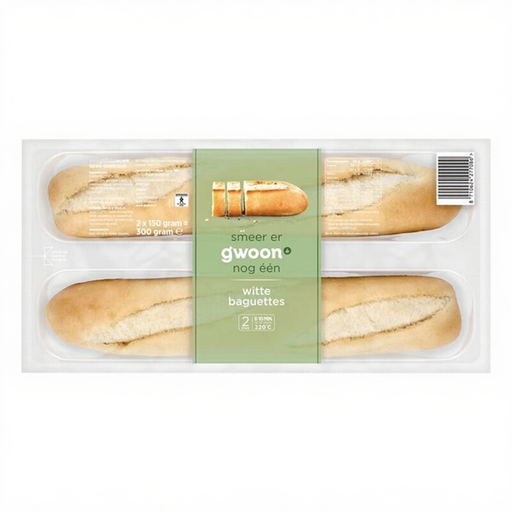
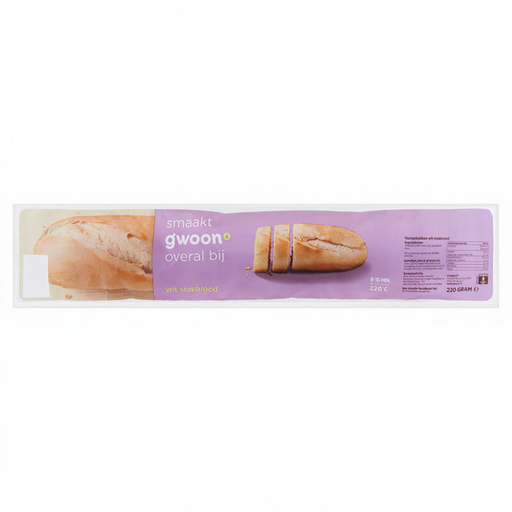
These bread options show different ways to serve something alongside white bread with pea soup: wholemeal flatbread, rye bread, multigrain baguettes and a loaf to bake at home. There’s also a white baguette for anyone who prefers white bread. Consider the shape, preparation and label of each product; these breads aren’t interchangeable.
 No image available
A flatbread labelled whole wheat, for anyone who would rather serve flatbread than a regular loaf with pea soup.
The pack contains 6 pieces. If it matters to anyone at the table, check the current packaging for ingredients and allergens.
 No image available
A rye bread option alongside white bread, for anyone who wants a different type of bread with their soup.
The pack contains 9 pieces. Don’t assume it has a soft texture based on the name; consider whether this type of bread will suit your diners, and check the label for allergens.
 No image available
A multigrain option for anyone who wants to serve a baguette alongside white bread with pea soup, without assuming that multigrain means fully wholemeal.
The product name lists 2 pieces and 300 g. If the ingredients matter to your choice, check the current packaging for the ingredients and fibre per 100 g.
 No image available
A round loaf for anyone who wants to serve bread labelled whole wheat alongside a white option and has time to prepare it.
The product name lists 550 g. The preparation instructions say to defrost, bake for 11–13 minutes at 220 °C and leave to cool for around 30 minutes. Bear this in mind when planning your meal.
 No image available
A white baguette for anyone who prefers white bread with pea soup. Serve a wholemeal option separately if others would like that choice.
The product name lists 220 g. Don’t judge the texture you’re looking for by the word ‘white’ alone, and check the current label if anyone has an allergy.
No. The colour and number of grain types don’t tell you how much wholemeal flour the bread contains. Read the product name and ingredients, and compare the fibre per 100 g if that matters to your choice.
Serve white bread alongside a fine-textured or soft wholemeal loaf if you want to cater for both preferences. Check the description of the specific wholemeal bread: the word ‘wholemeal’ alone doesn’t tell you how soft it feels.
Read the ingredients list on the current packaging of the specific bread. A mention of baker’s salt on another loaf doesn’t tell you which salt is in the bread you’re buying.
The Voedingscentrum recommends storing wholemeal bread in a kitchen cupboard for 2–4 days or in the freezer for 1–3 months. Also follow the storage and preparation instructions on the packaging of the bread you choose.
Check the ingredients and allergen information on the current packaging of the exact bread you’re serving. Breads with similar names can have different ingredients, so don’t rely on the type of bread alone or on another product in the same range.