
Host catering for a range of preferences
Wants to offer something for guests who enjoy soft white bread as well as those who prefer wholemeal. Two different types of bread offer more choice than one large loaf of the same kind.


For a Christmas table with guests who have different preferences, don’t put out just one type of bread. Pair wholemeal bread with a softer alternative, such as white or finely milled wholemeal bread. If you’re considering multigrain bread but specifically want wholemeal, check the label. And if you’d like to bake bread just before serving, bear the cooking instructions and available oven space in mind.
Wants to offer something for guests who enjoy soft white bread as well as those who prefer wholemeal. Two different types of bread offer more choice than one large loaf of the same kind.
Prefers a finer texture to a coarse loaf. Lidl describes one of its breads, made with extra-finely milled wholemeal flour, as tasting like brown bread. That description applies to that particular product, not to every finely milled wholemeal bread.
Is considering bake-at-home baguettes or rolls for a warm serve. The choice also depends on cooking time, the oven or air fryer available and the number of guests.
Decide which type of bread will be the centrepiece of your Christmas table, then choose a second type with a clearly different flavour or texture. Match the quantity and any baking to when you plan to serve it.
| What to consider | What to check when buying | Who should consider this? |
|---|---|---|
| Wholemeal and fibre | Look for the wholemeal designation and compare the nutritional information, including fibre per 100 g. | I want to put a clearly labelled wholemeal option on the table alongside white bread, rather than judging by colour alone. For around 37% of consumers, wholemeal would be the top priority. |
| Flavour and texture | For example, compare soft white bread with finely milled wholemeal; the word multigrain on its own tells you nothing about how soft the crumb is. | If my guests are less keen on a coarse loaf, I’d rather offer a softer type as well. This preference for flavour and texture would come first for around 27% of consumers. |
| Serving warm | For bake-at-home bread, check the cooking instructions and whether there’s room in the oven or air fryer around mealtime. | I want to bake bread just before the meal without making everyone wait for the rest of the food. For around 18% of consumers, the timing of the meal would determine their choice. |
| Portions and leftovers | Check the number of pieces or, where available, choose a half loaf. Follow the storage instructions on the packaging. | For a small gathering, I want to offer two types without having lots of bread left over. Around 18% of consumers would prioritise portion size and minimising leftovers. |
If you specifically want wholemeal bread, you can’t tell from seeds or colour alone. The Netherlands Nutrition Centre explains that wholemeal products and white grain products differ in composition.
Check the product name and ingredients list. If you’re comparing fibre values, use the same basis, such as per 100 g.
If guests have different tastes, one coarse loaf gives those who prefer a soft crumb very little choice.
Consider serving a wholemeal loaf alongside a softer type, and choose sizes to suit the number of guests.
Uneaten bread may end up as leftovers.
Bake-at-home bread takes time and space in the oven or air fryer, potentially when you’re cooking other dishes too.
Read the instructions on the packaging you choose and plan the baking around when you’ll serve it. If time is tight, choose bread that’s ready to serve straight away.
Different breads can contain different grains and other allergens. Don’t assume the salt is iodised without checking the ingredients of the specific product.
If anyone has an allergy, check the current label on each type you choose. If the type of salt matters to you, check which one is listed too.
Provides online product information for different types of bread. This can help you compare specific loaves before buying.
Offers, among other things, finely milled wholemeal, tiger wholemeal, multigrain and white bread with mixed seeds: different styles to consider side by side.
Offers freshly baked bread, packaged loaves and bake-at-home options for different serving occasions.
Offers fresh daily white, wholemeal and multigrain bread, including whole and half loaves.
Offers white, wholemeal, multigrain and bake-at-home bread, with product information for individual varieties.
Shows search results for white, wholemeal, multigrain and bake-at-home bread, among other options.
These products are mainly multigrain baguettes and wholemeal bread in different forms, suitable for sharing. If you’d like to serve a softer second type alongside wholemeal, choose one separately. For bake-at-home products, follow the instructions on the packaging.
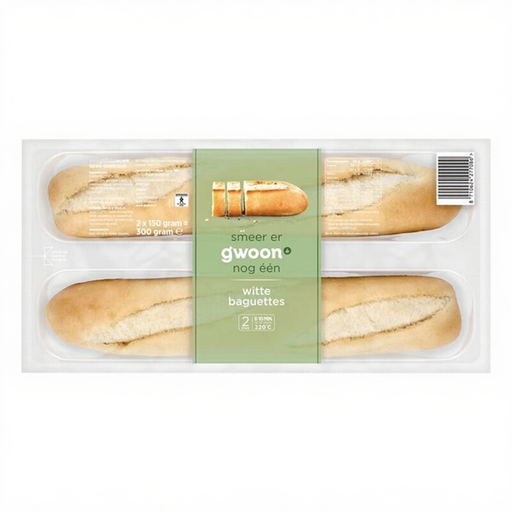 No image available
An option if you’d like to serve two multigrain baguettes as part of a shared meal. Check the packaging if you want to serve them warm or are specifically looking for wholemeal bread. If anyone has an allergy, check the current label.
 No image available
A whole round wholemeal loaf for anyone who’d like to put one loaf at the centre of the table. It weighs 550 g. If you need to bake it, follow the instructions on the packaging and check the current label if anyone has an allergy.
 No image available
A wholemeal option if you’d rather serve individual flatbreads than one whole loaf. The pack contains six pieces. Bear in mind the different shape and serving style, and check the label if anyone has an allergy.
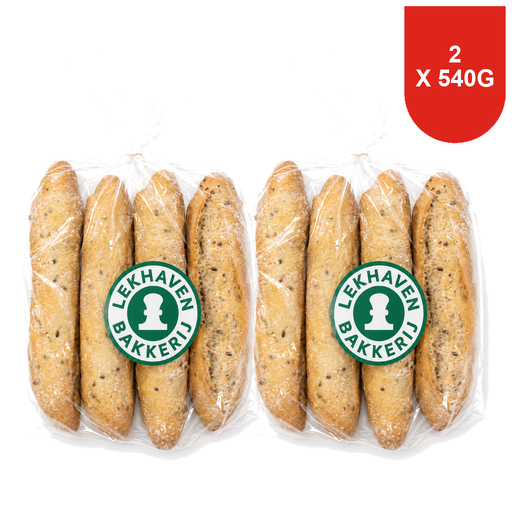 No image available
A good size for a table where you’d like to share several baguettes. The name indicates two packs of four 135 g baguettes. If you’re baking them, make room in the oven and follow the cooking time on the packaging. Check the ingredients if you’re specifically looking for wholemeal.
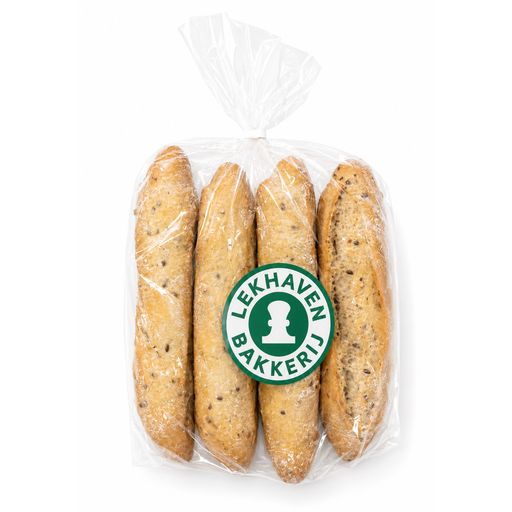 No image available
A smaller pack of baguettes for anyone who’d like to serve fewer pieces. The name indicates four baguettes of 135 g each. If you’re baking them, follow the instructions on the packaging and check the ingredients if wholemeal or allergens matter to your choice.
No. If your guests have different preferences, you can serve wholemeal alongside a softer type. The Netherlands Nutrition Centre recommends replacing white bread with wholemeal or brown bread where possible. For your table, you can also take into account the flavours and textures your guests enjoy.
No. Check the product name and ingredients if you’re specifically looking for wholemeal bread. For example, PLUS lists 56% wholemeal wheat flour and 3% wholemeal rye flour in its wholemeal multigrain baguettes. That composition doesn’t tell you anything about other multigrain breads.
Don’t assume so. Check the ingredients list on the bread you’re buying: PLUS explicitly lists iodised salt in its wholemeal multigrain baguettes, but that doesn’t tell you what’s in other breads.
Check the current allergen information on the packaging for each type of bread separately. Don’t compare bake-at-home bread with regular bread based on the name alone: ingredients and any allergen warnings are specific to each product.
Yes, as long as you store it according to the instructions for that bread. The Netherlands Nutrition Centre recommends keeping wholemeal bread in a kitchen cupboard for 2–4 days or in the freezer for 1–3 months. Check the packaging too. Albert Heijn says its AH Tiger Wholemeal Loaf can be frozen at home on the day of purchase.