
Vandaag of morgen in huis

Kwaliteit gegarandeerd

Welkomstaanbiedingen ontgrendelen: GRATIS bezorging | Tot 80% korting | Gratis 30 dagen JoyPlus-proefperiode
Download de app
A white storage cabinet fits into many British homes, from a compact hallway to a bedroom or living room. Yet a piece of furniture that looks lovely in a product photo can disappoint in reality. The right choice depends not only on colour and style, but also on dimensions, material, weight capacity and how you intend to use the cabinet.
A high-gloss finish, integrated lighting or a modern design quickly catches the eye. But you should also check whether the cabinet offers enough space for what you actually want to store. A sideboard with doors is suitable for larger items, while a white chest of drawers is more practical for clothes, cables or small accessories.
Also pay attention to the layout. A cabinet with several shallow drawers works differently to a model with one large closed compartment. Think ahead about the items you'll put inside and measure the available space, including skirting boards, doors and walkways.
The external measurements don't tell you everything. A frame, thick side panels or a fixed back panel reduce the interior space. So check whether the product information mentions shelves, drawers, doors and the layout.
For a small bedroom or hallway, a compact storage cabinet can be more practical than a wide piece of furniture. In a living room, you might be better off with a white sideboard that has a generous top surface for decoration, equipment or lighting.
White furniture is often made from engineered wood, particle board, metal or fabric. These materials can work well with an affordable interior, but they require different expectations. A cabinet with fabric drawers is light and easy to move, whereas a cabinet with a sturdy panel construction is generally heavier.
Also check whether assembly is required, which parts are included and whether an anti-tip device is supplied. A tall storage cabinet with drawers should, according to the assembly instructions, be fixed to the wall when this is recommended.
First, measure the space where the cabinet will go. In a bedroom, allow room next to the bed and for opening drawers. In a hallway, depth is particularly important so that the walkway and doors remain clear.
Then compare the product dimensions with the available space:
A bedside table, for example, doesn't need the same storage capacity as a sideboard. Choose the size based on the room and its use, not just on the photo.
Check the listed materials and the maximum static load capacity. For the JOYFURNOS cabinet, a maximum static load capacity of 27 kg is stated. That's a verifiable product specification, but distribute the weight evenly and place heavy items low down.
A white cabinet with a metal frame can offer different stability to an all-wood model. A fabric chest of drawers is practical for light clothing, accessories or household items. For heavy books or equipment, you need to check whether the product is designed for that purpose.
Decide whether you need doors, open compartments, drawers or a combination. An open compartment keeps items within easy reach but shows more. Closed doors and drawers create a visually calm look, but require a layout that suits your belongings.
A cabinet with LED lighting can serve as an atmospheric addition. For adjustable lighting, check which features are actually listed in the product information. See lighting as an extra feature, not a reason to overlook dimensions, material or assembly.
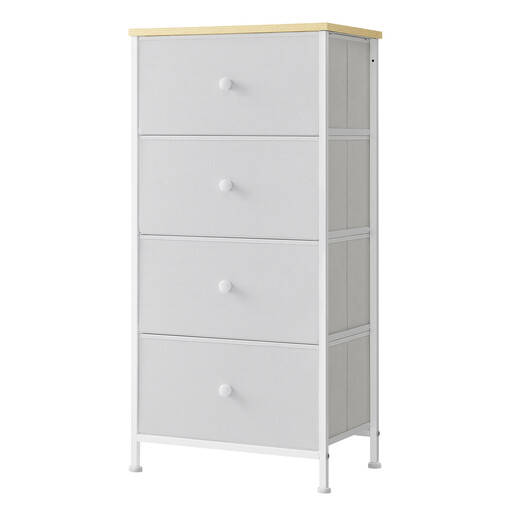
Why this suits the profile: This chest of drawers is ideal for anyone looking for light, affordable storage for a bedroom, hallway or living room. The dimensions are 30.1 x 45.1 x 92.4 cm.
The product information states four drawers, a metal frame, assembly instructions and an anti-tip kit. This means you can assess the layout and safety measures in advance.
Four fabric drawers, metal frame, compact width and a stated maximum static load capacity of 27 kg.
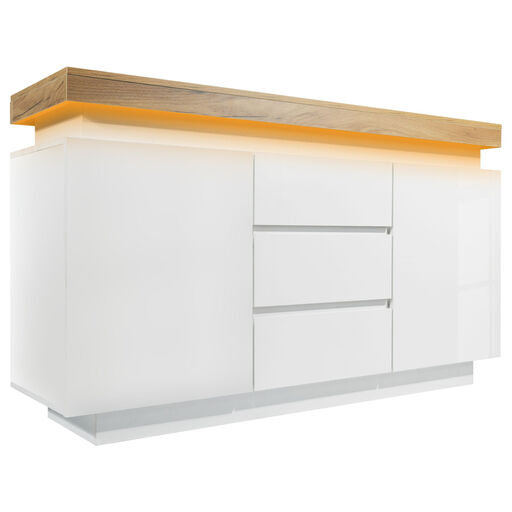
Why this suits the profile: This white sideboard is perfect for anyone who wants to combine storage with a modern look in the living room or bedroom.
The stated layout consists of two doors and three drawers. This makes it easier to compare closed storage and smaller compartments with your needs in advance.
High-gloss white finish, two doors, three drawers and, according to the product listing, adjustable LED lighting.
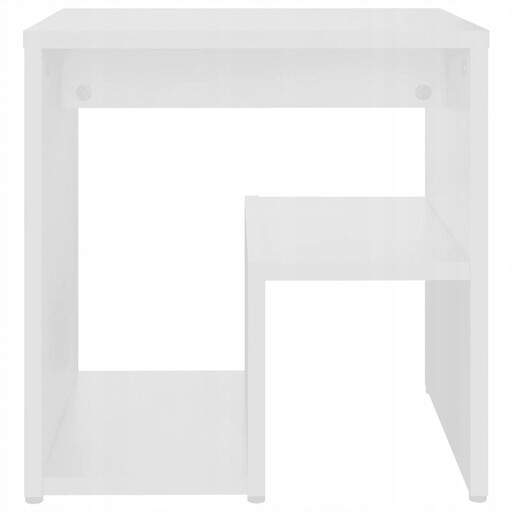
Why this suits the profile: This white bedside cabinet is designed for a specific spot next to the bed and offers a shelf for books, remote controls and small items.
The dimensions of 40 x 30 x 40 cm and the partly open, partly closed layout are clearly stated. This means you can check in advance whether it will fit next to your bed.
Engineered wood construction, integrated shelf, back panel and a size that works well in limited spaces.
For the bedroom, drawers are handy for clothes, bedding and small personal items. A white chest of drawers with a limited depth keeps the walkway clear. A white bedside cabinet is especially suitable when you only want a lamp, book and a few small items within easy reach.
In the living room, a sideboard is often more versatile. You get storage behind doors or in drawers, plus a top surface for decoration. For equipment, do check cable space and ventilation. A high-gloss finish can show fingerprints more easily; a soft, slightly damp cloth is generally better than abrasive cleaning products.
For the hallway, a compact shape is key. Measure not just the wall but also the walkway. A narrow cabinet with drawers can work well for keys, accessories and gloves, whereas a wider piece of furniture can quickly get in the way.
Read the assembly instructions before you start. For a tall cabinet, use the supplied anti-tip kit if the manufacturer recommends it. Place heavy items low down and check that the floor is level.
Clean white surfaces with a soft cloth and follow the manufacturer's care instructions. Avoid products that could damage the finish. For fabric drawers, it's wise to wipe up spills quickly and not exceed the maximum load per drawer.
We've put together a full, up-to-date list of products that fully meet these strict selection criteria and comply with current European safety regulations.
Generally, use a soft, slightly damp cloth and dry the surface afterwards. Always refer to the care instructions, especially for high-gloss, veneer and fabric parts. Abrasive sponges can cause scratches or dull patches.
Assemble the cabinet according to the instructions and fix it to the wall when an anti-tip kit is supplied or recommended. Check that the wall and fixing materials are suitable. Place heavy items at the bottom and distribute the weight evenly.
The lifespan depends on the material, assembly, load and maintenance. A cabinet that isn't overloaded and is stably assembled will generally last longer. Before buying, check the material description, weight capacities and warranty or statutory rights in the product information.
