
Vandaag of morgen in huis

Kwaliteit gegarandeerd

Welkomstaanbiedingen ontgrendelen: GRATIS bezorging | Tot 80% korting | Gratis 30 dagen JoyPlus-proefperiode
Download de app
A fresh set of white dinner plates seems like a simple purchase. However, a few common pitfalls can leave you with plates that chip easily, are awkward to use, or lose their lustre after just a few months in the dishwasher. Before making a decision, it's helpful to know what to look for to ensure you make a purchase you'll enjoy for years to come.
The most common problems arise from marketing claims that don't reflect reality, such as:
To avoid a bad purchase, it's wise to focus on a few objective specifications. These features determine the functionality and lifespan of your new dinnerware.
The choice of material is crucial for durability and appearance.
The standard size for a white dinner plate is typically between 26 and 28 cm. When choosing 27 cm plates, pay attention not just to the total diameter, but especially to the ratio between the rim and the flat eating surface. A modern, flat design without a wide rim offers more flexibility for plating various dishes.
For most households, dishwasher-safe plates are a must-have. Also, check if the plates are microwave-safe. High-quality porcelain and stoneware can typically be used in both appliances without any issues. This information is almost always listed in the product specifications.
Based on these criteria, we have selected a few options that suit different needs and preferences.
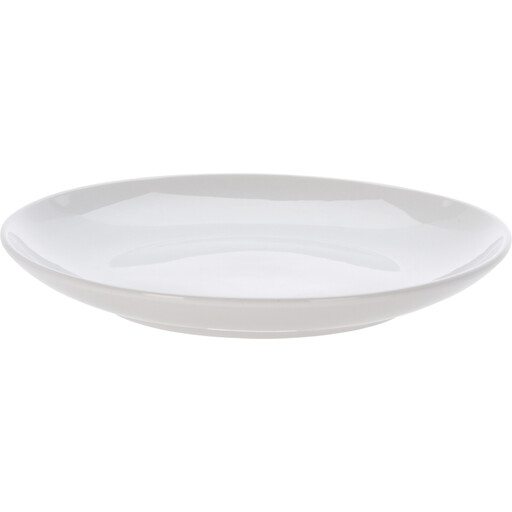
Why This Fits Their Persona: Ideal for those just starting to build their dinnerware collection. This plate is functional, affordable, and sold individually, giving you flexibility in quantity. The clean, white design fits any decor.
Made from porcelain, which is inherently stronger and less prone to chipping in the dishwasher than cheaper earthenware. The design features a relatively narrow rim, which maximises the eating surface.
Material: High-quality porcelain.
Use: Dishwasher and microwave safe.
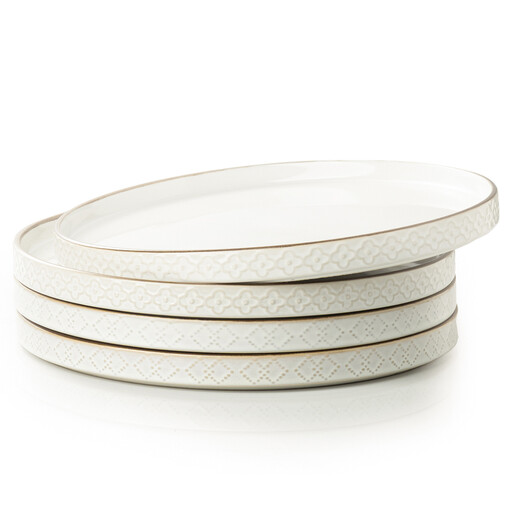
Why This Fits Their Persona: For those looking for a complete dinner plate set with a uniform, modern look. The subtle embossed patterns add a sophisticated touch to the 'Arctic white' plates, perfect for both daily meals and dinner parties.
The set is made of durable ceramic with a scratch-resistant glaze designed to prevent dullness. Buying it as a set ensures consistent quality and appearance.
Set of 4: Instantly provides a complete and uniform base.
Design: Subtle embossed pattern for a luxurious feel.
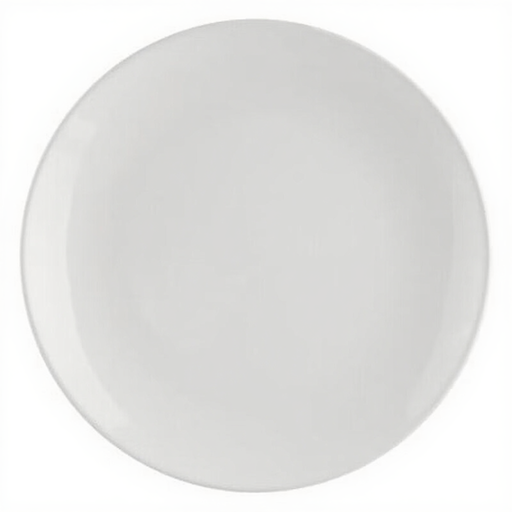
Why This Fits Their Persona: This plate is made from stoneware, which provides a sturdy and substantial feel. It's an excellent choice for those looking for modern dinner plates that can withstand some rough handling and make a heavier, high-quality impression.
By opting for stoneware, you avoid confusion about different materials. You get exactly what you expect: a robust and durable plate designed for daily, intensive use.
Material: Robust and durable stoneware.
Feel: Sturdy and heavier for a premium feel.
We've curated a complete, up-to-date list of products that fully meet these strict selection criteria and high standards of use.
Ceramic is an umbrella term for objects made from fired clay. Porcelain is a specific, hard type of ceramic that is fired at a very high temperature. This makes it non-porous, very strong, and often thinner and lighter than other types of ceramics like earthenware or stoneware.
A good rule of thumb is to take the number of people in your household and add 2 to 4 plates. This ensures you always have spare plates for guests or in case one breaks. If you're buying a dinner plate set, sets of 6 or 8 are a common and practical starting point.
Grey streaks on plates are often not scratches but metal deposits from your cutlery. This happens more easily on dinnerware with a softer glaze. To minimise this, choose high-quality porcelain or stoneware with a hard glaze. Additionally, avoid using abrasive sponges, which can damage the glaze.
