
Vandaag of morgen in huis

Kwaliteit gegarandeerd

Welkomstaanbiedingen ontgrendelen: GRATIS bezorging | Tot 80% korting | Gratis 30 dagen JoyPlus-proefperiode
Download de app
White chocolate: the creamy, sweet treat that many of us find irresistible. Whether you're looking for a classic bar, crunchy cookies, or a protein-rich snack, the selection is vast. But not all white chocolate products are created equal. Some choices lead to disappointment due to mediocre flavour or misleading claims. As a Joybuy Product Recommendation Officer, I'm here to help you make the right choices, ensuring you get exactly what you're looking for.
Before you fill your shopping cart, it's wise to be aware of a few common missteps. This will help you avoid a purchase you'll later regret.
To sidestep these pitfalls, there are a few concrete specifications you can check. This will help you make an informed decision.
According to EU regulations, real white chocolate must contain at least 20% cocoa butter. This ingredient is responsible for the rich, melt-in-your-mouth texture. If cocoa butter isn't high on the ingredients list, or if it's replaced by other fats like palm oil, you're likely dealing with a lower-quality product. A quality white chocolate bar often states this clearly.
Always check the full ingredients list and the nutritional information panel.
To get you started, we've highlighted some popular choices that cater to different needs and preferences.
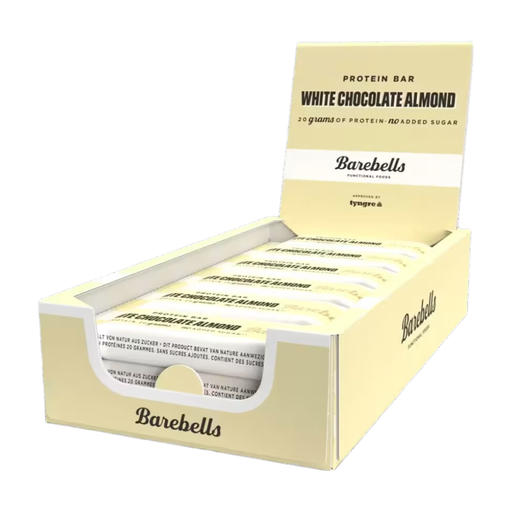
Why This Fits Their Persona: Ideal for those seeking a high-protein, low-sugar snack post-workout or between meals. This bar combines function with a pleasant taste, which is a challenge for many protein bars.
This bar is transparent about its use of sweeteners and delivers a substantial 20 grams of protein per bar. It's not a hidden sugar bomb, but a functional snack.
Low in sugar (less than 2 grams per bar) with a soft, chewy texture and almond pieces. A popular choice among the Barebells white chocolate options.
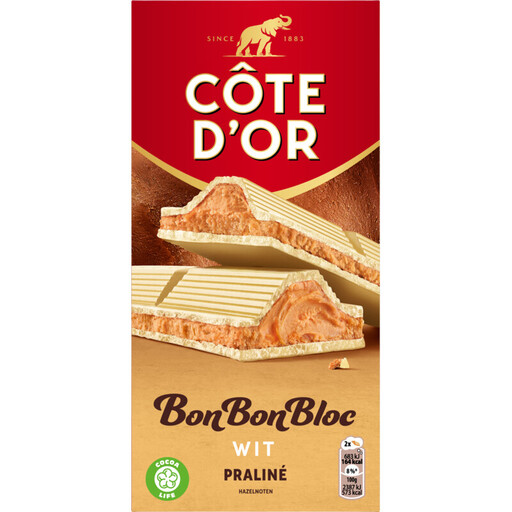
Why This Fits Their Persona: For those seeking a classic, rich chocolate experience. Perfect with coffee or as a moment of pure indulgence, without pretending to be a health snack.
This product doesn't pretend to be anything other than a treat. The focus is on flavour and quality, with a soft hazelnut praline filling and a layer of real white chocolate.
The combination of the creamy praline (45%) and the white chocolate creates a rich and satisfying taste. A classic white chocolate bar that many know and love.
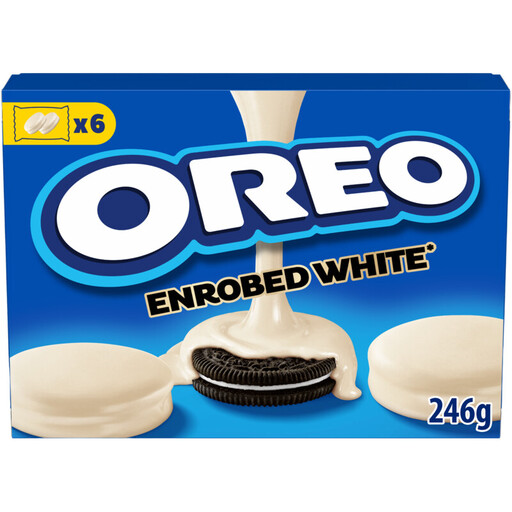
Why This Fits Their Persona: A fun and recognisable treat for the whole family. Ideal for sharing during a movie night or as a special snack in a lunchbox. The combination of the famous cookie with white chocolate is a guaranteed hit.
No one expects Oreo white chocolate to be a health product. It's clearly a treat. The white chocolate coating is an upgrade from the original, providing a more luxurious feel.
The iconic taste and crunch of an Oreo cookie, combined with a creamy layer of white chocolate. The convenient packaging makes it easy to share.
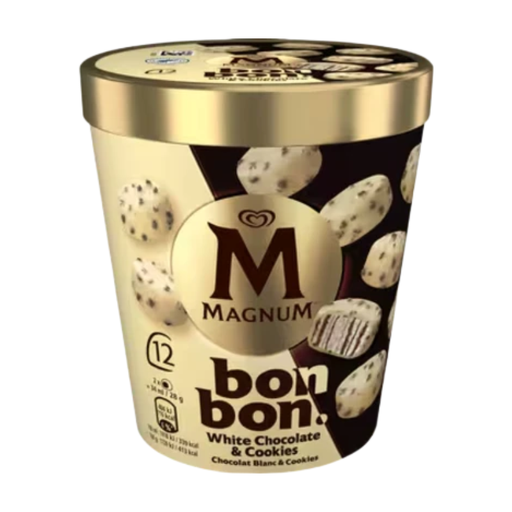
Why This Fits Their Persona: For those seeking a premium ice cream experience. These bite-sized treats are perfect for dessert or as a refreshing indulgence on a warm day. A premium choice for lovers of white chocolate ice cream.
Magnum is known for using real chocolate. The product description specifies a coating of 31% white chocolate, indicating a high-quality shell.
The combination of vanilla ice cream, a cocoa cookie sauce, and the cracking white chocolate with cookie pieces provides a complex texture and flavour. The small size is ideal for portion control.
We have compiled a complete, up-to-date list of products that meet these selection criteria and comply with UK/EU regulations.
The main difference lies in the ingredients. By law, real white chocolate must contain at least 20% cocoa butter. This gives the chocolate its creamy, melt-in-your-mouth quality. A 'white coating' or 'confectionery product' often replaces the (more expensive) cocoa butter with other vegetable fats, such as palm or coconut oil. This results in a different taste and a less pleasant, sometimes waxy, mouthfeel.
Not necessarily. "Low-sugar" means there are little to no added sugars, but these are often replaced by sweeteners (polyols) like maltitol. While these contain fewer calories, they can cause digestive issues if consumed excessively. It's always wise to check the nutritional information for the total calorie count and consult the ingredients list. A balanced diet remains fundamental.
Store white chocolate products, like a Milka white chocolate bar or white chocolate cookies, in a cool, dry, and dark place. The ideal temperature is between 15 and 18 degrees Celsius (59-64°F). Avoid the refrigerator, as moisture and strong odours can affect the taste and texture. Keeping them well-sealed in their original packaging is usually sufficient to maintain quality.
