
Budget-conscious shopper
You’re picking up a basic white loaf and want to choose between a whole loaf, a half loaf and other sizes available at the time.


For a small top-up shop, first think about how much white bread you’ll use before your next main shop. A half loaf or a few rolls can help reduce waste if a whole loaf is too much. If you want to eat the bread straight away, consider freshly baked or part-baked bread too. Check the ingredients and allergen information before choosing.
You’re picking up a basic white loaf and want to choose between a whole loaf, a half loaf and other sizes available at the time.
You only need a few slices before your next main shop and want to avoid leaving most of a whole loaf uneaten.
You choose white bread for its taste or how you plan to use it, but also want to check the ingredients, allergens, fibre content or whether baker’s salt is listed.
First, work out how much bread you’ll actually use and whether you need it to eat straight away. Then compare the same type and size of bread, and check any product information that matters to you.
| What to consider | What to check | Who it matters to |
|---|---|---|
| Basic white bread | Compare standard white loaves in the same shape and size. | If I only need a basic loaf for my next few meals, I don’t want to take home a different type of bread from the one I planned to buy. Around 31% of consumers would put this straightforward choice first. |
| The right amount | Work out how many slices you’ll use and compare a half loaf with a whole loaf or a pack of rolls. | A whole loaf is too much for me if I’ll only eat a few slices before my next main shop. Around 31% of consumers would make choosing the right amount their top priority. |
| Ready to eat | Check which freshly baked or part-baked bread is available in store and how to prepare it. | For a meal today, I want to choose bread that suits when I’m going to eat it. This would be the top priority for around 23% of consumers. |
| Label information | Check the ingredients, allergens and nutritional information; if necessary, see whether baker’s salt is listed. | I want to know what’s in my white bread before I buy it, for example because of allergens or a question about baker’s salt. For around 15% of consumers, checking this would be the main consideration. |
If you only need a few slices, some of a whole loaf may go uneaten.
Work out how much bread you’ll eat before your next main shop, then compare a whole loaf, a half loaf and smaller packs.
According to the Voedingscentrum, using baker’s salt when baking bread isn’t compulsory. The name of the bread won’t tell you whether this ingredient has been used.
If baker’s salt matters to your choice, check the ingredients list or ask about it when buying unwrapped bread.
The term ‘multigrain’ doesn’t in itself mean that a loaf is wholemeal. The Voedingscentrum points out that white bread contains fewer nutrients than wholemeal bread.
If you’re specifically looking for wholemeal bread, check the product description and ingredients rather than relying on the colour or seeds alone.
Bread from the bakery section doesn’t always come with packaging you can take away, so the information may not be on a label.
Check the label on pre-packed bread. Before buying unwrapped bread, ask for the allergen information. The Netherlands Food and Consumer Product Safety Authority says this information must also be available for unwrapped products.
An option if you want to browse standard white loaves, half loaves and other types of white bread online.
An option for comparing standard, half, tiger and white sandwich loaves.
Worth considering if you want to look at freshly baked white bread or white rolls during a stop at the shop.
An option if you’re looking for a standard white tin loaf.
An option for comparing half and whole white sandwich loaves with other types of white bread.
An option for browsing half and whole white loaves during a stop at the shop.
These Joybuy products are white baguettes and rolls in fixed pack sizes. Choose the quantity and weight according to what you want to use; they aren’t substitutes for a whole or half sliced white loaf.
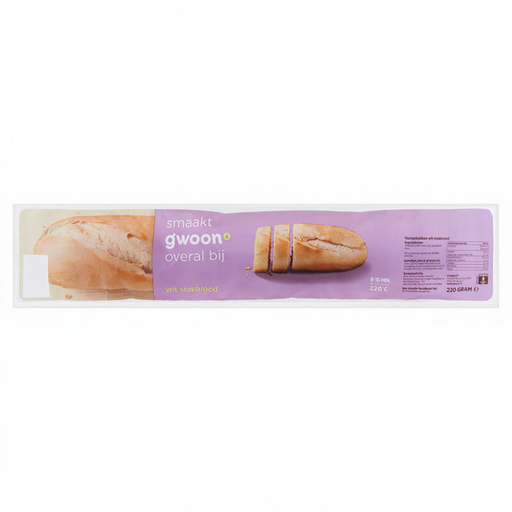 Image unavailable
A single baguette if that size suits what you’ve planned to use.
Weight: 220 g. Check the packaging for ingredients, allergens and any preparation instructions.
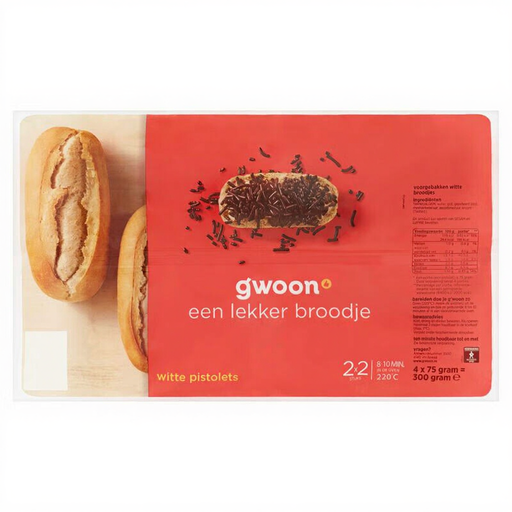 Image unavailable
Individual rolls if four of them suit the meals you’ve planned.
Pack: 4 rolls, 300 g in total. Check the packaging for ingredients, allergens and best-before information.
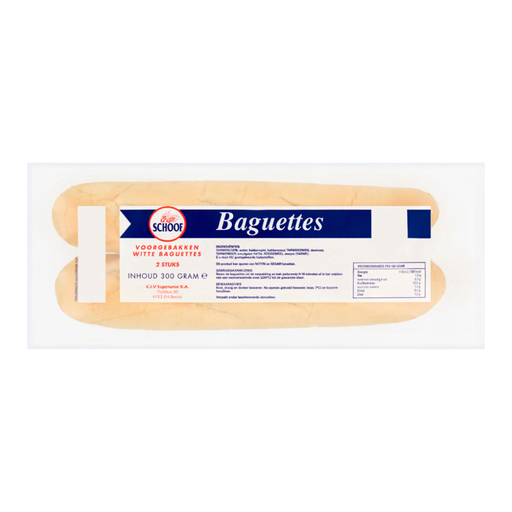 Image unavailable
Two baguettes if you’d rather take home two separate loaves.
Pack: 2 baguettes, 300 g in total. Check the current packaging for ingredients, allergens and whether baker’s salt is listed, if that matters to your choice.
No. According to the Voedingscentrum, using baker’s salt when baking bread isn’t compulsory. Check the ingredients list or ask about it when buying unwrapped bread if it matters to your choice.
Choose a size based on how many slices you expect to use before your next main shop. A half loaf can help prevent waste if you won’t finish a whole one. Also check the date and storage information for the bread you buy.
Ask in store before buying if the information isn’t displayed next to the bread. The Netherlands Food and Consumer Product Safety Authority says allergen information must appear on the label of pre-packed products and be available in another way for unwrapped products.
Follow the storage instructions and date on the packaging of the bread you’ve bought. For one of its white loaves, Jumbo recommends storing it in a cool, dry place and checking the date on the closure clip. Check the instructions for your own loaf separately.