
If you’re buying for a larger group
If you’re making lots of filled sandwiches, a whole loaf is a good starting point. Check the weight and number of slices too: two whole loaves won’t necessarily make the same number of portions.


If you’re making several filled sandwiches, a whole white loaf is a sensible choice. If you want to hand out individual portions during the procession, consider white rolls or baguettes. Choose an amount you’ll actually use, check the preparation time for bake-at-home bread, and read the label on every loaf for allergens and ingredients.
If you’re making lots of filled sandwiches, a whole loaf is a good starting point. Check the weight and number of slices too: two whole loaves won’t necessarily make the same number of portions.
White rolls are easy to distribute individually. You can cut a baguette into pieces yourself, but if you’re buying bake-at-home bread, make sure you have the time and equipment to prepare it before serving.
A smaller pack may be a better fit for a small group. If you do buy a whole loaf, check the label for advice on storing or freezing it.
First, work out how many portions you’ll need for the procession. Then choose between sliced bread, individual rolls and bread that needs preparing before serving.
| What to consider | What to check | Who it matters to |
|---|---|---|
| How much you need | Compare whole and half loaves by weight and number of slices. | If I’m making sandwiches for a group, I want enough bread without buying far too much. Around 42% of consumers put getting the quantity right first. |
| Being able to hand it out straight away | Check how many rolls are in the pack and whether they need baking. | Just before or after the procession, I want to be able to hand out portions without a lengthy preparation. This is the main concern for around 33% of consumers. |
| Storing leftovers | Check the size and storage instructions on the packaging. | If I’m catering for a small group, I don’t want to be left with uneaten bread. Around 25% of consumers put avoiding leftovers first. |
A half loaf, a whole loaf and a pack of rolls won’t automatically provide the same number of portions. For example, Jumbo lists both a half and a whole Boeren Tijgerbrood Wit.
Compare the total weight and number of pieces, and think about how you plan to serve the bread.
Rolls, fresh bread and bake-at-home bread all require different preparation. ALDI describes bake-at-home rolls that are prepared in an oven or air fryer.
Read the preparation instructions before choosing a bake-at-home product for a time when you’ll be in a hurry.
According to the Netherlands Nutrition Centre, not all bread is baked with bakers’ salt. So the name of the bread won’t tell you which type of salt has been used.
If it matters to you, check the ingredients list for bakers’ salt or iodised salt.
If you only need a few portions, you could be left with part of a whole loaf. Storage advice varies between bread products.
Choose a suitable size, or check whether the packaging says you can freeze any portions you don’t use.
Bread shape, packaging and product information vary between retailers. Always check the details of the specific loaf when you buy it.
A useful option if you’re looking for a whole own-brand white loaf.
Worth considering if you want to compare different sizes of white bread within one range.
An option to consider if you want to choose your bread in store.
Worth considering if you’re looking for a whole white tin loaf for sandwiches.
A retailer with an online category for white bread.
Worth considering if you want to compare a whole loaf with individual white rolls.
These products are a good fit if you want to hand out white rolls or baguettes during the procession. Check the number of pieces and total weight to work out how many packs you’ll need.
 No image available
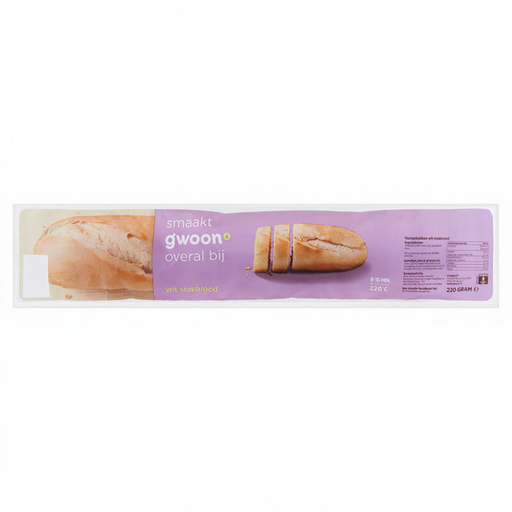
A white baguette for anyone who wants to cut it into pieces to hand out.
Weight: 220 g. Check the packaging to see whether it needs baking, and read the up-to-date allergen label.
 No image available
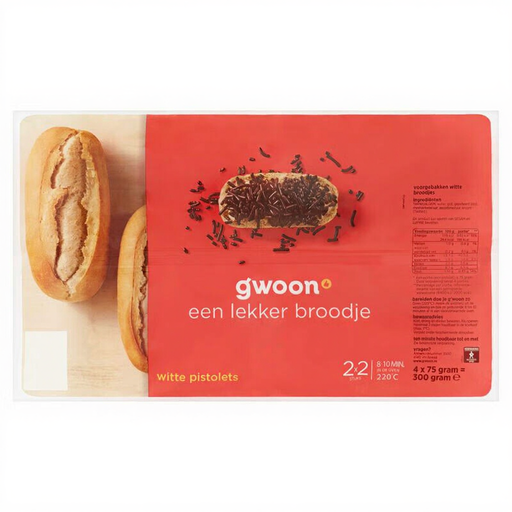
Individual white rolls for handing out portions without having to slice a loaf first.
Pack: four rolls, 300 g in total. Check the up-to-date label for allergens.
 No image available
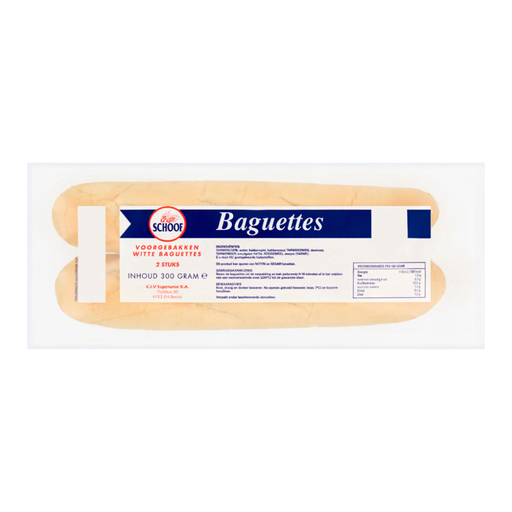
Two white baguettes for anyone who wants to cut the bread into pieces themselves.
Pack: two baguettes, 300 g in total. Check the packaging for preparation instructions and allergen information.
 No image available
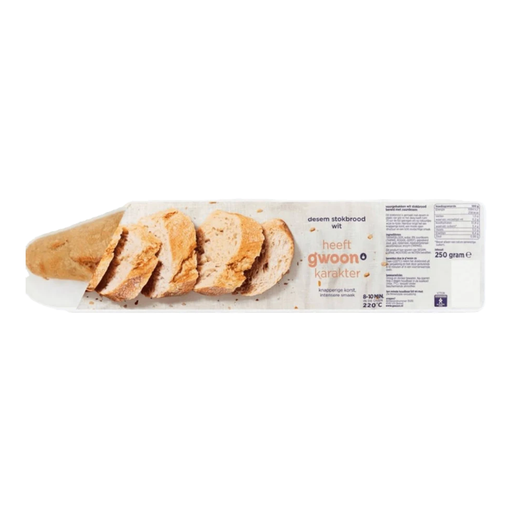
A white baguette to cut into pieces and share when serving.
Weight: 250 g. Check the packaging for preparation instructions and up-to-date allergen information.
Choose a whole white loaf if you’re mainly making filled sandwiches; individual rolls are handy when you want to hand out separate portions. Compare the number of slices or rolls and the total weight with what your group needs.
No. According to the Netherlands Nutrition Centre, not all bread is baked with bakers’ salt. If you want to know whether bakers’ salt or iodised salt has been used, read the ingredients list on the loaf you’re buying.
The ingredients and allergen information for a loaf can change. Albert Heijn also warns about this for AH Wit heel, so check the packaging of the loaf you’re actually buying, even if you’ve bought it before.
Store leftovers according to the instructions on the packaging, or freeze portions if that’s suitable for the product. Albert Heijn says AH Wit heel can be frozen at home on the day of purchase; don’t assume the same instructions apply to other bread.