
Budget-conscious lunch buyer
Buys bread for a group regularly and wants to choose a pack whose contents will actually be used.


Choose white bread for a nursery lunch only after checking that the loaf shape and quantity suit the group, and that the latest allergen information meets each child’s individual dietary requirements. For everyday bread choices, the Netherlands Nutrition Centre advises replacing white bread with brown or wholemeal bread as often as possible. A practical choice for one lunch isn’t automatically suitable as an everyday option.
Buys bread for a group regularly and wants to choose a pack whose contents will actually be used.
Checks the latest allergen information and the agreed requirements for each child before serving the bread.
Looks for a suitable type of bread for a lunchtime meal, while also taking into account the Netherlands Nutrition Centre’s advice to replace white bread with brown or wholemeal bread as often as possible for everyday choices.
First, check the dietary requirements and the label. Then choose a type and quantity of bread that suit the lunch, and consider whether white bread fits into the setting’s everyday choices.
| What to consider | What to check | Who it matters to |
|---|---|---|
| Quantity per pack | Check the weight, number of items and whether a whole or half loaf suits the expected amount to be eaten. | If I regularly buy for a group, I want to avoid choosing a pack that’s larger than necessary. Around 31% of consumers would put choosing the right quantity first. |
| Allergens and dietary requirements | Compare the latest label, including any warnings about traces, with the children’s requirements. | If a dietary requirement has been recorded, I want to know whether this particular bread is suitable before serving it. For around 25% of consumers, this check would be their top priority. |
| Portions and storage | Check the use-by date and storage instructions, and decide whether individual rolls or a whole loaf would be practical to serve. | If everyone doesn’t eat at the same time, I want to be able to serve and store the bread in a way that suits the lunch routine. Around 19% of consumers would give this the greatest weight. |
| Type of bread and fibre | Decide whether the white bread is for a one-off lunch or will form part of the everyday menu; check the nutritional information if needed. | When choosing bread for everyday meals, I want to take the advice on brown and wholemeal bread into account. Around 25% of consumers would give this consideration priority. |
A half loaf or a pack of individual rolls can be handy for a small group, but the number of portions needed varies from one lunch to another.
Choose a size that matches the expected amount to be eaten, and check how to store any leftover bread according to the pack instructions.
Ingredients and warnings about traces can vary from product to product. Don’t use ordinary white bread as a gluten-free alternative without checking.
Read the label on the pack you’ve chosen and follow the setting’s individual dietary and cross-contamination requirements.
The Netherlands Nutrition Centre advises replacing white bread with brown or wholemeal bread as often as possible. Choosing a practical type of white bread doesn’t remove the need to consider the everyday bread options.
Decide whether it’s for a one-off lunch or bread that will be served regularly.
Ingredients and allergen information can change. PLUS notes that product information may be updated.
Check the pack again when you buy it, especially if a child has a recorded dietary requirement.
Albert Heijn lists various types of white bread online, including sliced tin loaves and tiger bread.
Jumbo has a dedicated online selection of its own-brand white bread, including whole and half loaves.
A Lidl product page describes an 800 g white loaf, which the page says is available in store.
ALDI’s fresh daily bread range includes whole and half white loaves, as well as rolls.
PLUS provides ingredients and detailed allergen information for some white bread products.
Dirk’s bread range includes whole and half white loaves, as well as rolls.
These products are white baguettes and rolls in different pack sizes. Compare their shape and quantity with your planned lunch. Always check whether they meet dietary requirements using the latest packaging and your setting’s guidelines.
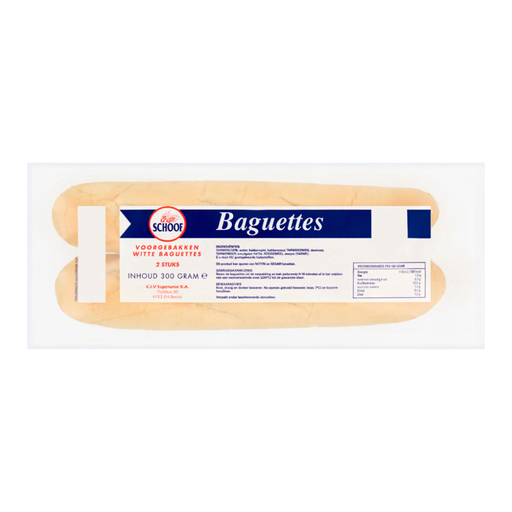 Image unavailable
A pack of two baguettes could suit a lunch where you want to serve individual loaves. Check the label for wheat and possible traces of sesame, and compare it with the dietary requirements.
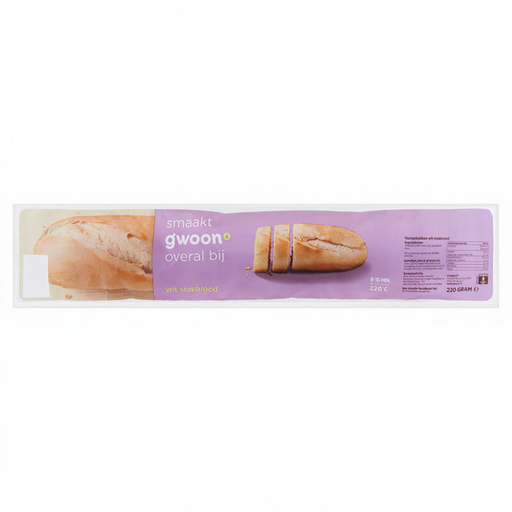 Image unavailable
This 220 g baguette is an option if the quantity suits your lunchtime meal. Before using it, check the preparation instructions and available facilities, and read the latest label for information about cereals containing gluten, lupin and sesame.
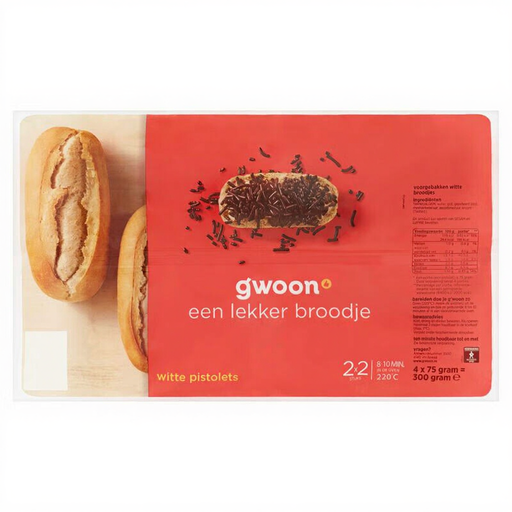 Image unavailable
Four individual rolls can be practical when you’re serving lunch one item at a time. Decide whether four rolls will be enough for your group, and check the label for cereals containing gluten and sesame.
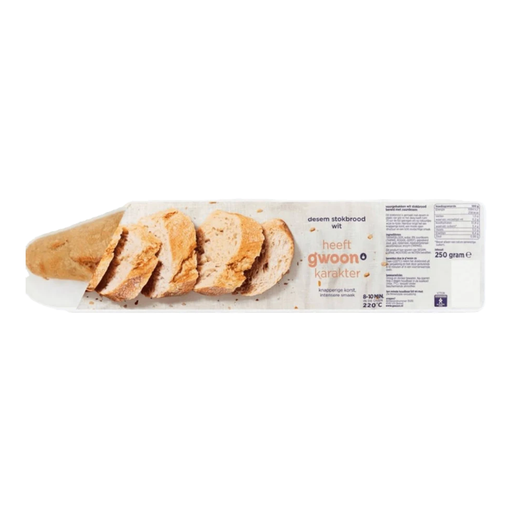 Image unavailable
This 250 g baguette is a different shape from a whole or half sliced loaf. Check that the quantity is suitable and read the label for information about wheat, spelt and possible traces of other allergens.
Not without checking the specific product and the recorded dietary requirement. Ordinary white bread may contain cereals with gluten. Only choose a suitable gluten-free product if required, and check the latest label and cross-contamination instructions.
Make sure the allergen information for the bread remains available when it’s taken out of its packaging. The Netherlands Food and Consumer Product Safety Authority provides information about 14 allergens in non-prepacked foods. Also check each child’s dietary requirements before serving.
White bread can be practical for a lunchtime meal, but the Netherlands Nutrition Centre generally advises replacing it with brown or wholemeal bread as often as possible. For a regular lunch, consider the type of bread separately.
You can’t tell from the name ‘white bread’ alone. If baker’s salt is relevant to your choice, check the ingredients on the packaging or the product specification for the bread you plan to serve.