
Parents who want to keep school lunches practical
For a school lunch, portions, suitability for fillings and storage are important. Check whether the bread is sliced and follow the storage instructions for the product you choose.


For a special meal to mark the start of term, you can choose bread based on its shape and how it is prepared, such as an unsliced artisan loaf, tiger bread or bake-at-home bread. For everyday school lunches, ease of portioning and storage, along with the ingredients and allergen information, matter most. If everyday nutrition matters more to you than appearance, compare wholemeal and brown bread too: the Netherlands Nutrition Centre recommends replacing white bread with these as much as possible.
For a school lunch, portions, suitability for fillings and storage are important. Check whether the bread is sliced and follow the storage instructions for the product you choose.
For breakfast or a shared lunch, an artisan loaf, tiger-crust bread or bread to bake at home could suit the occasion. Bear in mind that you may need to slice it yourself or allow time for preparation.
If there is a relevant allergy, the ingredients and allergen information for the exact loaf are what matter. If you are mainly looking at fibre, compare the nutritional values per 100 g and consider wholemeal or brown bread too.
First, decide whether the bread is for a school lunchbox or a meal at home. Then check the information for the specific product: a rustic name or crust doesn’t tell you which allergens it contains or what its nutritional values are.
| What to consider | What to check before buying | Who it matters to |
|---|---|---|
| Allergens and school policies | Read the current ingredients and allergen information, including any warnings about cross-contamination. For unwrapped bread, ask for the information and check the school’s policies if necessary. | If a child needs to avoid certain ingredients, I want to know whether this bread is suitable before it goes in their lunchbox. This check is the top priority for around 33% of consumers. |
| Fibre and everyday choices | Compare the fibre per 100 g on the label. For everyday lunches, compare white bread with wholemeal or brown bread too, as recommended by the Netherlands Nutrition Centre. | When choosing bread for every school day, I don’t want to focus only on an appealing shape; I also want to compare its nutritional value. Around 25% of consumers give this consideration the highest priority. |
| Portioning and storage | Check whether the bread is sliced and follow the storage and any freezing instructions. For bake-at-home bread, check the preparation instructions too. | On a busy morning, the bread needs to fit into a lunchbox without much preparation. For around 25% of consumers, this practical convenience matters most. |
| Presentation at a meal | Choose the shape or preparation method you want, such as an artisan loaf, tiger bread or bake-at-home bread, and check whether it is available at your shop. | For breakfast or a shared lunch to mark the start of term, I want to serve bread in a shape that suits the meal. Presentation is the top priority for around 17% of consumers. |
These words describe a type of bread or how it is made; they don’t automatically tell you how much fibre it contains. For everyday choices, the Netherlands Nutrition Centre recommends replacing white bread with wholemeal or brown bread as much as possible.
Compare the nutritional information per 100 g and read the ingredients of the bread you are actually buying.
The name doesn’t tell you which allergens or possible cross-contamination warnings apply to a particular variety.
For packaged bread, read the current label. For unwrapped bread, ask for the allergen information before buying and check the school’s policies if necessary.
If you’re planning breakfast or a school lunch, you’ll need bread that’s available in time. Lidl, for example, says that its range of fresh bread can vary by branch.
Check availability at your chosen shop before planning a meal around a particular type of bread.
According to the Netherlands Nutrition Centre, not all bakers use baker’s salt. The shape of the bread alone won’t tell you which salt has been used.
For packaged bread, check the ingredients list for baker’s salt or iodised salt; for unwrapped bread, ask the staff.
These bread ranges show some of the shapes you can compare. Check the ingredients and availability for each product at your chosen shop.
The Liefde & Passie range includes an unsliced white loaf made with wheat sourdough, ideal if you want to slice it yourself for a meal.
Boeren Tijgerbrood Wit is a distinctive bread shape for anyone who also cares about the crust and presentation when marking the start of term.
Beiers Vloerbrood wit heel is an example of a white artisan loaf for a shared meal.
The range of oven-fresh bread is worth considering if you’re choosing bread for a meal where the crust matters when serving.
Bakkersgoud Rustiek wit is an example of white bread for anyone looking for a rustic presentation.
The bread range includes several types of white bread, including batard and farmhouse tiger white bread.
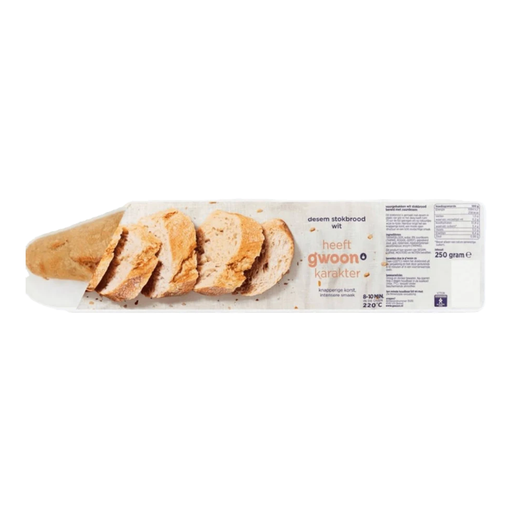
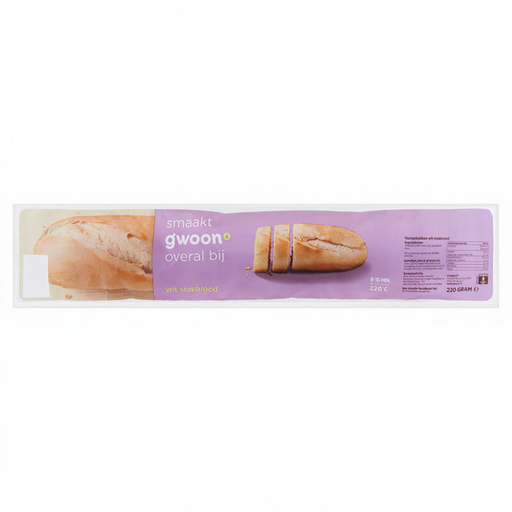
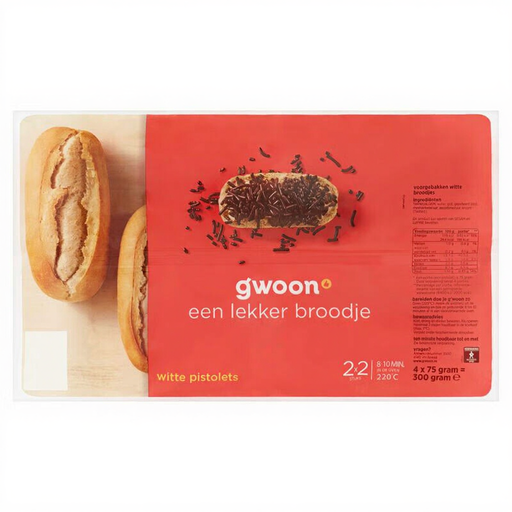
These products suit different occasions around the start of term: a baguette for sharing at a meal, a baguette to bake at home and rolls for individual lunch portions. Check the allergens, preparation and storage instructions on the packaging you choose.
 No image available
A baguette for sharing at a meal to mark the start of term. The pack contains 250 g; before serving, check the ingredients, allergens and instructions for storage and portioning.
 No image available
A baguette for a meal at home when baking it fits your plans. The pack contains 220 g; read the instructions before baking and check the current allergen information.
 No image available
Four white rolls for individual lunch portions. The pack contains 300 g in total; check the current packaging to see which varieties are included, especially if sesame or other allergens are a concern.
Yes. If the child needs to avoid cereals containing gluten or other ingredients, check the exact bread before buying. According to the Netherlands Food and Consumer Product Safety Authority, allergen information must be provided on prepacked products. For unwrapped products, the shop must be able to provide this information in another way.
No, the shape or crust doesn’t tell you how much fibre it contains. Compare the nutritional information per 100 g for the breads you’re considering. For everyday choices, the Netherlands Nutrition Centre recommends replacing white bread with wholemeal or brown bread as much as possible.
No, don’t assume this is the case for every loaf. According to the Netherlands Nutrition Centre, not all bakers use baker’s salt. For packaged bread, check the ingredients list for baker’s salt or iodised salt; for unwrapped bread, ask the staff.
Follow the instructions for the specific bread. For Beiers Vloerbrood wit heel, PLUS recommends storing it in a cool, dry, dark place, freezing it on the day of purchase and using it within one month of freezing. Don’t assume these instructions apply to other breads.