Start with the bread texture your fussy eater will accept: a premium image doesn’t automatically make rustic bread a better choice. Choose soft white bread for a familiar bite, rustic bread if a crusty texture and distinctive ingredients are welcome, or ready-to-bake bread if serving it warm with the meal suits you. Check the ingredients, allergens and any preparation instructions for the specific product.
Who is this choice relevant to?
Fussy eaters who prefer soft bread
For a meal where a familiar crumb and minimal crust matter more than a rustic appearance. Dirk describes its Bakker van der Akker Rond wit as soft and light; whether someone enjoys that bread comes down to personal preference.
Anyone choosing bread for a special meal
For a table where crust, shape or serving the bread warm matters, provided the eater also accepts the texture. Albert Heijn describes bread from its Liefde & Passie range as rustic; ALDI offers white rolls to bake at home.
Anyone comparing ingredients and nutritional information
For shoppers who want to check things such as grains, allergens, fibre or iodised salt in their chosen bread. A premium name won’t tell you what’s inside the pack.
What should you look for when choosing?
First decide which crumb and crust will suit the eater. Then consider whether the bread’s shape and any time in the oven work for the meal, and check the pack for ingredients and nutritional information.
| What to consider | What to check when buying | Who is this important to? |
|---|
| Soft, familiar texture |
See whether the bread is described as soft or light, and consider whether its crust will suit the eater. |
If the eater mainly accepts a familiar sandwich-bread texture, I don’t want the crust to dominate the meal. Around 36% of consumers would put softness first. |
| Crust and appearance |
Compare the bread’s shape and ingredients, such as sourdough or rye, with the flavours and textures the eater accepts. |
For a shared meal, I’d like to serve bread with a rustic appearance, but only if the eater is happy to eat the crust too. Around 29% of consumers would put appearance first. |
| Serving warm |
Check whether the bread needs baking, and follow the time and temperature on the packaging. |
If the bread needs to be on the table at the same time as the meal, I want to be able to plan when it goes in the oven. For around 21% of consumers, serving time would be the main priority. |
| Ingredients and nutritional information |
Read the current ingredients and allergen information; compare fibre and salt per 100 g if these values matter to your choice. |
If an ingredient needs to be avoided or I want to compare nutritional values, I can’t rely on the words ‘white bread’ alone. For around 14% of consumers, checking this would be the most important factor. |
Common mistakes when choosing
-
Choosing rustic bread before checking its texture
Bread made with sourdough or rye, or with a pronounced crust, may be quite different from the soft slice the eater expects. A premium label won’t tell you whether those differences will be welcome.
Ask which crumb, crust and flavours the eater accepts. If you’re unsure, consider a smaller loaf or individual rolls, if available.
Bread that goes uneaten can lead to food waste.
-
Assuming premium white bread is the same as wholemeal bread
The word premium says nothing about the fibre content. The Netherlands Nutrition Centre advises replacing white bread with wholemeal or brown bread as much as possible.
Compare the nutritional information per 100 g if nutritional value is a factor, and choose the bread texture that’s actually right for this meal.
-
Relying on the product name alone to check allergens
White breads can contain different grains and other ingredients. What a product description said previously may also differ from the packaging on the product you buy.
Read the current ingredients and allergen information on the pack, especially if someone needs to avoid an ingredient.
-
Planning to bake bread without checking when it needs to go in the oven
Ready-to-bake products have specific preparation instructions. You’ll also need to make sure the bread you choose is available when you’re preparing the meal.
Check the instructions, storage information and local availability in advance. If you like, keep ready-to-eat bread as a back-up.
An unexpected trip to the oven can delay your planned serving time.
Brands to explore
Albert Heijn
The Liefde & Passie range is worth exploring if you’re considering rustic white bread.
- Albert Heijn describes Petit beurre as rustic bread made with sourdough.
- Check the ingredients, preparation method and current availability of each loaf.
Jumbo
A supermarket where you can compare different types of white bread.
- Jumbo has a dedicated white bread category.
- Check which varieties are available at your chosen store or in your delivery area.
Lidl
Worth considering if you’re buying white bread or looking for an in-store bakery nearby.
- Lidl lists an 800 g white loaf.
- Lidl says that almost all its stores have an in-store bake-off; check the facilities at your local store.
Aldi
A place to compare rustic white bread with white rolls that you can bake at home.
- ALDI describes Bakkersgoud rustiek wit as bread with a golden-brown crust and soft centre; De Afbakker white kaiser rolls are designed to be baked at home.
- Crust and preparation method are different things to consider, and neither tells you what a fussy eater will prefer.
Plus
Worth considering if you want to check the ingredients in a white hearth-baked loaf closely.
- The product information for PLUS Beiers Vloerbrood wit lists 10% rye flour and sourdough powder.
- Check that these ingredients suit the flavour you’re looking for and that the bread is available locally.
Dirk
A place to explore Bakker van der Akker’s round white and casino white bread.
- Dirk describes Rond wit as soft and light.
- That retailer’s description doesn’t guarantee that everyone will enjoy the texture.
White bread and rolls at Joybuy
These white baguettes and rolls offer different shapes for a meal with a fussy eater. Choose based on the texture and portions you want; if you’re planning to serve the bread warm, check the preparation instructions on the packaging.
 No image available
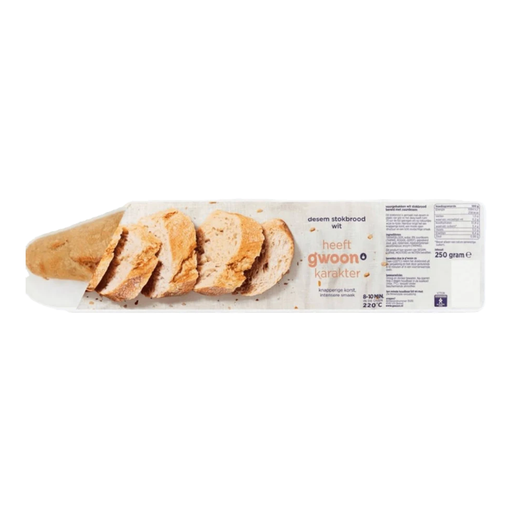
G'woon rustic white baguette, 250 g
An option if a rustic-shaped loaf suits the meal. Check that the eater is happy with the crust and flavour, and read the ingredients and any serving instructions on the packaging.
View at Joybuy
 No image available
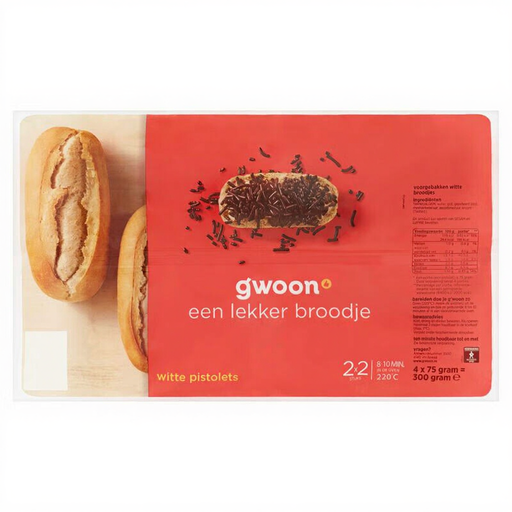
g'woon white rolls, 4 pack, 300 g
Four individual rolls could be a good choice if you’d rather serve portions than a whole loaf. Check the crumb, ingredients and preparation method if softness or serving them straight away matters.
View at Joybuy
 No image available
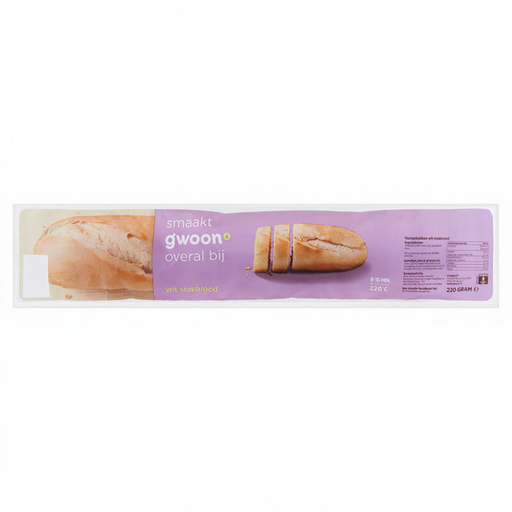
g'woon white baguette, 220 g
A baguette for a meal where the bread is served separately. If you’d like to serve it warm, check the baking instructions and make sure the crust will suit the eater.
View at Joybuy
 No image available
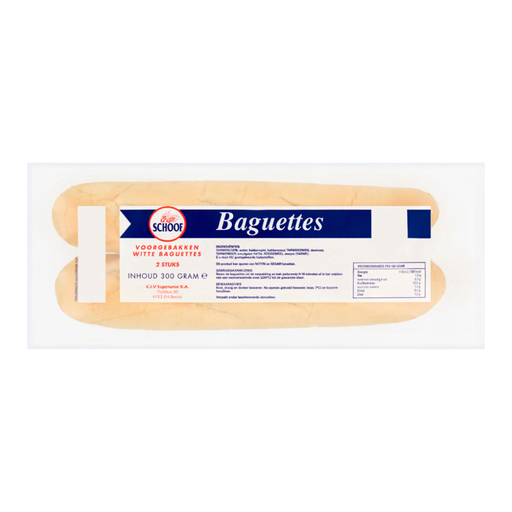
g'woon white baguettes, 2 pack, 300 g
Two baguettes could work well for a shared meal. Before buying, check the ingredients, whether the crust is right for you and the instructions for preparing or serving them.
View at Joybuy
Frequently asked questions
Is premium white bread as nutritious as wholemeal bread?
No: a premium label says nothing about a loaf’s ingredients or nutritional content. The Netherlands Nutrition Centre advises replacing white bread with wholemeal or brown bread as much as possible. For a specific product, compare the nutritional information per 100 g.
Which allergens should I check in white bread?
Read the allergen information for the bread you’re actually buying: white bread may contain more ingredients than its product name suggests. If an ingredient needs to be avoided, also check for possible traces and don’t rely solely on an earlier online description.
Does all white bread in the Netherlands contain the same amount of iodine?
No, the Dutch rules on baker’s salt don’t mean that all white bread contains iodine or provides the same amount. The Netherlands Food and Consumer Product Safety Authority explains that iodine compounds may only be added to bread and other bakery products through baker’s salt. Check the ingredients list if this is relevant to your choice.
Can I freeze white bread or bake it at home?
Follow the storage and preparation instructions for the specific bread. PLUS says its Beiers Vloerbrood wit can be frozen at home on the day of purchase; Albert Heijn, by contrast, says its pre-baked organic white sourdough bread is not suitable for home freezing. Don’t assume the same instructions apply to other breads.


