What should you consider when choosing?
Start with the texture you want and when you’ll be serving the bread. Then compare the packaging of the remaining options for ingredients, allergens and nutritional value.
| What to consider |
What to check when buying |
Who it matters to |
| Presentation, flavour and crust |
Compare the type of bread, its crust and how it’s served. Albert Heijn describes its AH Vloerbrood wit heel as firmer, with a crisp crust; check whether that texture will suit your guests. |
For a special lunch, I want bread that adds something to the table, as long as the guests enjoy the crust. Around 40% of consumers give presentation and the character of the bread top priority. |
| Texture and individual dietary needs |
Ask about any existing arrangements for texture and diet. A description such as ‘soft’ does not, by itself, tell you whether the bread is suitable for someone with chewing or swallowing difficulties. |
If guests prefer a softer crumb, their experience of eating matters more than an eye-catching crust. For around 30% of consumers, catering for individual needs comes first. |
| Allergens and nutritional information |
Read the latest ingredients and allergen information; compare fibre and salt on the same basis, for example per 100 g. For unpackaged bread, check how allergen information is provided. |
When I’m buying bread for guests with different dietary needs, I want to be able to check what’s in it before serving. Around 20% of consumers put this check at the top of their list. |
| Preparation and stock |
Check whether the bread needs baking, how much time and equipment this requires, and how it should be stored. Confirm the quantity you need with the store. |
When planning a meal, I want to avoid having the bread ready too early or finding there isn’t enough available. Planning and stock are the main concern for around 10% of consumers. |
Brands to consider
These bread ranges illustrate the differences you can compare; check the product you choose and what’s available at your local store.
Albert Heijn
AH Vloerbrood wit heel is an example of a white crusty loaf for those who want to take the crust and presentation into account.
- Albert Heijn describes this loaf as baked on a stone, with a slightly firmer texture and a crisp crust. The product information lists 0,9 g of salt per 100 g and includes freezing instructions.
- That texture applies to this specific product. Check the packaging when buying, including for the latest ingredients and allergen information.
Jumbo
Jumbo is worth considering when comparing white bread and bread to bake at home.
- Jumbo described La Place Vloerbrood Wit as a bake-at-home sourdough loaf with a crisp crust and open texture.
- Jumbo said that this specific La Place variety was no longer part of its online range. Before your meal, check which alternative your local store actually offers.
PLUS
PLUS provides product information that lets you compare a white crusty loaf by its ingredients and nutritional value.
- For Beiers Vloerbrood wit heel, PLUS lists ingredients including rye flour and sourdough components, with 3 g of fibre and 1,08 g of salt per 100 g.
- The product information lists allergens that are present or may be present. Check the latest packaging and availability at your chosen store.
ALDI
ALDI offers both a rustic white loaf and bake-at-home rolls to suit different serving plans.
- ALDI describes Bakkersgoud rustiek wit as having a golden-brown crust and soft inside. According to the retailer, its bake-at-home rolls can be heated in an oven or air fryer.
- A soft inside doesn’t prove that the bread is suitable for an individual’s texture requirements; baking it also takes time and equipment.
Dirk
The Bakker van der Akker range is a useful starting point for exploring Dirk’s white bread options.
- Dirk presents Bakker van der Akker as freshly baked bread sold in its stores and provides information to compare bread types by fibre content.
- A white crusty loaf isn’t automatically wholemeal. Check the product name and nutritional information for the specific bread.
Lidl
Lidl is worth considering if freshly baked white rolls or bread rolls suit your planned serving time.
- Lidl says its bread is baked in store and recommends asking your local store about ordering options if you need a larger quantity of rolls.
- The fresh range may vary by store; confirm the product and quantity in advance.
White loaves and rolls at Joybuy
These baguettes and white rolls are options for a special bread-based meal. Choose a shape that suits the way you plan to serve the bread, and check the latest allergen information, preferred texture and any preparation instructions for each product.
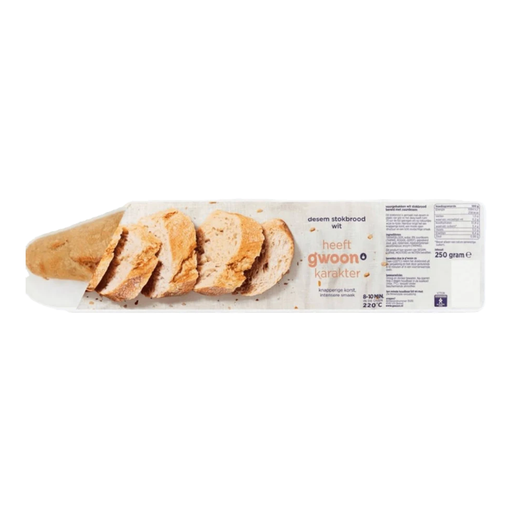 Image unavailable
g'woon rustic white baguette, 250 g
A baguette shape for sharing at a meal; before serving, check that the crust and texture suit your guests.
The product information mentions sourdough. Check the latest packaging for ingredients, allergens and the basis used for the nutritional values.
View at Joybuy
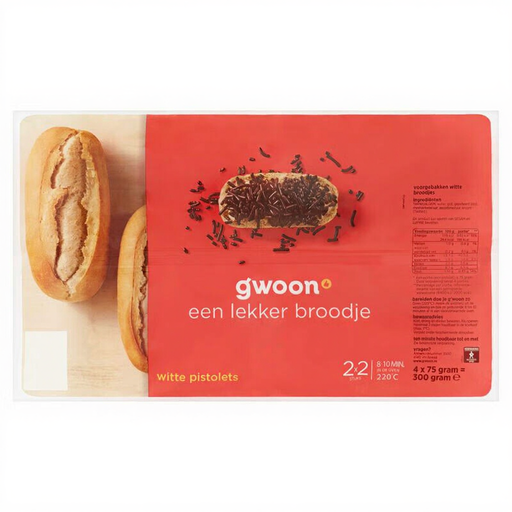 Image unavailable
g'woon white rolls, 4 pieces, 300 g
Four individual rolls work well for a meal where bread is served by the piece. The product description says they have a soft, airy crumb; check the actual texture against your guests’ preferences.
Check the latest packaging for ingredients and allergens. A product description that says ‘soft’ doesn’t confirm that the bread is suitable for someone with chewing or swallowing difficulties.
View at Joybuy
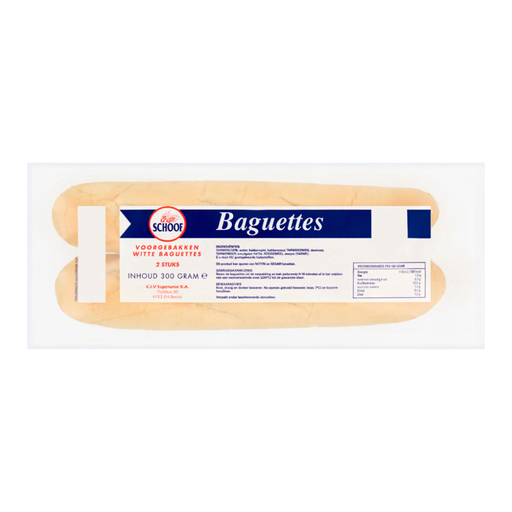 Image unavailable
g'woon white baguettes, 2 pieces, 300 g
Two white baguettes are an option if you plan to serve the bread in pieces. The product description says they’re part-baked; before buying, check what preparation is required and whether it fits your meal schedule.
Also check the latest ingredients and allergen information on the packaging.
View at Joybuy
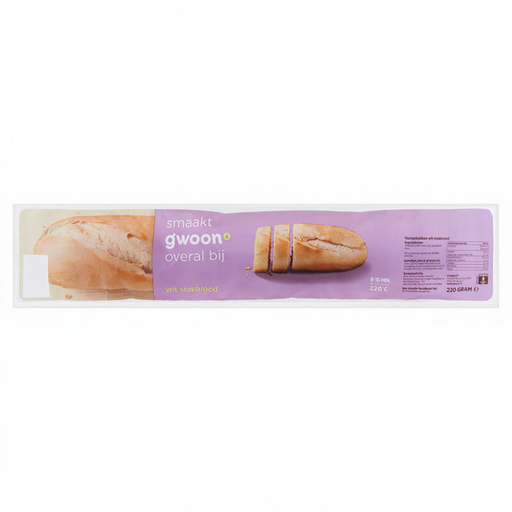 Image unavailable
g'woon white baguette, 220 g
This white baguette is an option if a single baguette suits your serving plan. Check the preparation instructions before deciding when the bread needs to be ready.
The product information lists iodised salt; check the latest packaging for ingredients, allergens and nutritional information.
View at Joybuy
Frequently asked questions
Does Dutch law mean that all white bread contains iodine?
No, that doesn’t automatically follow from the regulations. The Netherlands Food and Consumer Product Safety Authority says that iodine compounds may be present in bread through the use of added baking salt; check the ingredients for the specific product. For example, Albert Heijn lists iodised salt in AH Vloerbrood wit heel.
How do I check allergen information for unpackaged bread?
Ask for the latest allergen information for the specific bread before choosing it. According to the Netherlands Food and Consumer Product Safety Authority, this information is shown on the label of pre-packed bread. For unpackaged bread or bread baked in store, use the product information available and check again if the recipe or supplier changes.
Is bread with a soft crumb suitable for every older guest?
No. ‘Soft’ is a product description, not a judgement about individual suitability. According to the Netherlands Nutrition Centre, illness, a disability or reduced appetite may mean that additional dietary advice is needed; follow any existing arrangements for texture and diet.
How can I plan bread for a meal without unnecessary waste?
Match the number of loaves to the expected number of guests and when you’ll serve them, and follow the storage or freezing advice on the packaging. For bake-at-home bread, also check the preparation required. If you’re placing a larger order, confirm in good time what the store can supply.


