
Organisers who want to share bread
If you’re serving bread with dips, soup or sharing platters, a white farmhouse loaf or baguette is easy to break into pieces. Just make sure you can cut it or prepare portions in advance.


Choose a white farmhouse loaf or baguette if you can break it into pieces just before serving. Choose individual white rolls if handing them out quickly without cutting is more important. Part-baked bread is only suitable if you have an oven available at the right time and the correct cooking instructions. If you’re buying for guests with allergies, check the latest information for each product before serving.
If you’re serving bread with dips, soup or sharing platters, a white farmhouse loaf or baguette is easy to break into pieces. Just make sure you can cut it or prepare portions in advance.
If you have an oven available at the right time, you could consider a white part-baked loaf. Check the cooking instructions and plan when to bake it around serving time.
If you’re buying for guests with allergies, check each type of bread individually. The Netherlands Food and Consumer Product Safety Authority states that allergen information for prepacked products is shown on the label; ask for it before buying bread sold loose.
First decide how and when you’ll serve the bread: a whole loaf needs to be portioned, while part-baking requires the right serving time and oven space. Then check the ingredients and allergens for each product.
| What to consider | What to check when buying | Who it matters to |
|---|---|---|
| Presentation when serving straight away | Check whether the bread is whole or sliced, and whether you can portion it just before serving. | For a sharing platter with dips, I want to break the bread into pieces shortly before serving, so the presentation isn’t left waiting for long. Around 36% of consumers prioritise presentation straight away. |
| Portions and preparation | Choose between individual rolls and a whole loaf; for part-baked bread, check the equipment and instructions you’ll need. | If lots of guests are helping themselves to bread at once, I want to be able to serve it without having to cut it. For around 29% of consumers, easy portioning matters most. |
| Ingredients and allergens | Read the latest packaging or ask for the allergen information for loose bread before buying. | If I’m buying for guests with allergies, I need to know which allergens are listed for each type of bread before putting it out. This check is the top priority for around 21% of consumers. |
| Nutritional value | Compare the type of flour and nutritional information if you’re weighing up white bread against brown or wholemeal bread. | When bread is on the table more often, I also want to consider fibre and the wider choice of breads available. Around 14% of consumers give this nutritional consideration priority. |
Words such as ‘rustic’ and ‘artisan’ don’t tell you how much fibre a loaf contains. The Netherlands Nutrition Centre recommends replacing white bread with wholemeal or brown bread as often as possible.
To compare nutritional value, look at the type of flour and the nutritional information, separately from the crust or presentation you’re looking for.
A name such as ‘white baguette’ doesn’t provide the full ingredients and allergen information. For example, PLUS lists wheat in its artisan white baguette and also mentions the possible presence of other gluten-containing cereals.
Read the latest packaging. For unpackaged bread, ask for allergen information before buying, as advised by the Netherlands Food and Consumer Product Safety Authority for this type of sale.
Albert Heijn and Lidl mark certain white breads as available in store only. ALDI links its freshly baked range to shops with a bakery section.
Before the event, check with your chosen shop that the type of bread you want to serve is available.
The Netherlands Nutrition Centre says that bread dries out in the fridge. For bread with a crust you want to keep crisp, it recommends using a paper bread bag.
Plan storage and slicing around when you’ll serve the bread, and follow the instructions on the packaging.
A place to compare white farmhouse loaves and other types of white bread.
A useful reference if you’re considering a white farmhouse loaf to bake at home.
An option to look at if you’re considering an artisan white baguette for sharing.
Worth considering if you’re looking for rustic white bread, a farmhouse loaf or baguettes in a shop with a bakery section.
An in-store option if standard white bread suits your serving plans.
A useful reference for individual white rolls and white farmhouse bread with sunflower seeds.
These Joybuy products include white baguettes to portion up and white rolls to hand out individually. Before the event, check whether the baguettes need to be baked, and always check the latest packaging if you’re buying for anyone with allergies.
 No image available
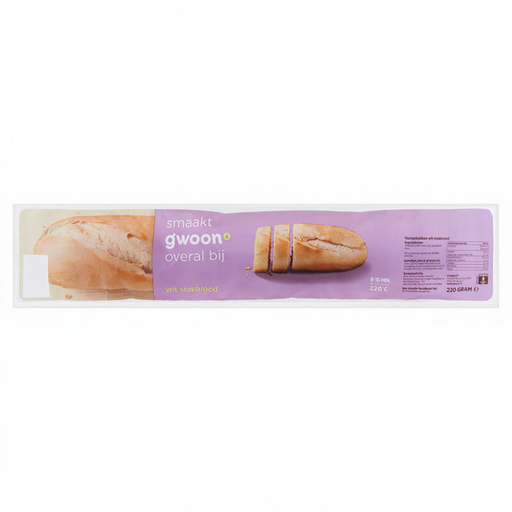
A baguette to break into pieces and serve; this one weighs 220 g.
If you want to bake it just before serving, check the oven temperature and baking time on the packaging. If you have allergies, also read the latest ingredients and allergen information.
 No image available
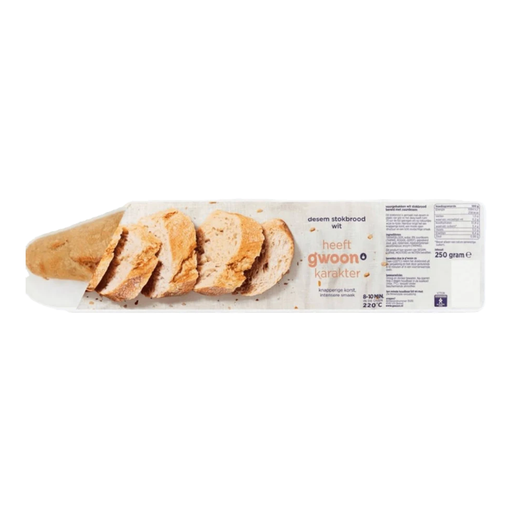
A 250 g white baguette to portion up and serve with a shared meal.
Before planning when to serve it, check whether the bread still needs to be baked. If you have allergies, read the latest packaging.
 No image available
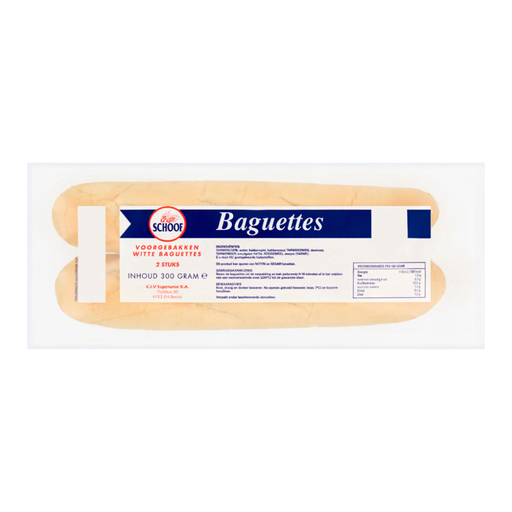
Two white baguettes weighing 300 g in total are a good option if you want more than one loaf to portion up.
Check the packaging for instructions on how to prepare them for serving and which allergens are listed for this product.
 No image available
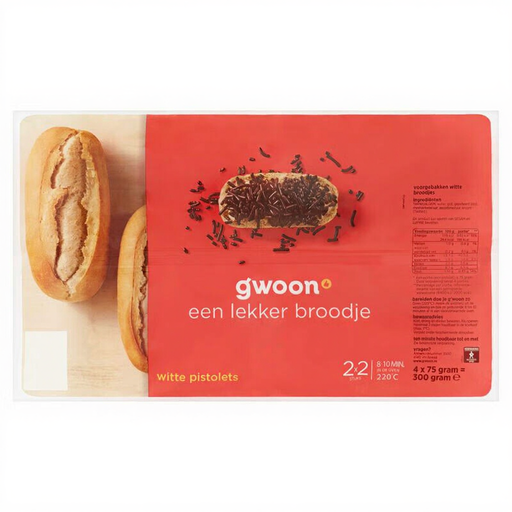
Four individual white rolls weighing 300 g in total are ideal if you want to hand out bread without having to slice a whole loaf.
Choose a baguette instead if you want to put bread on a sharing platter for guests to break into pieces. If you have allergies, check the latest packaging.
A white farmhouse loaf works well if you want a larger loaf to slice into portions for a sharing platter or to serve with soup. A baguette is a good choice if you want to break a long loaf into pieces. Either way, you’ll need a serving plan if you’re not buying pre-sliced bread.
Check the allergen information for each loaf before buying. The Netherlands Food and Consumer Product Safety Authority states that this information is shown on the label for prepacked bread and must be available before purchase for unpackaged bread. Don’t rely on the name of the bread alone.
Bread can be frozen; follow the storage and preparation instructions for the specific product. The Netherlands Nutrition Centre advises against storing bread in the fridge, as it dries out there.
No, the term doesn’t tell you anything by itself about the type of flour or fibre content. Compare the nutritional information if this matters to you; the Netherlands Nutrition Centre recommends replacing white bread with wholemeal or brown bread as often as possible.