If you’re making a generously filled sandwich and want a firm, crisp crust, check the description of the specific white bloomer. Albert Heijn describes its bloomer as having a slightly firmer texture and a crisp crust. If you want to serve the bread warm just before eating, choose a variety that the packaging says can be baked at home. For a softer bite, a white roll may be a better fit. Whatever you choose, check the preparation instructions, ingredients and nutritional information for the bread you’re buying.
Which bread shape suits you?
For generously filled sandwiches
If you’re using plenty of filling, or one that’s particularly juicy, look for bread with a crust and texture that suit your sandwich. Albert Heijn describes its white bloomer as slightly firmer, with a crisp crust. Also check the size and how it’s sliced before choosing.
For bread fresh from the oven just before eating
If serving time matters, you could choose bread that you can bake at home. Make sure you leave enough time to follow the instructions on the packaging.
If the label is your priority
If allergens, fibre, salt or iodised salt influence your choice, compare the current labels on the specific loaves. A specific gluten-free white bread is a different choice from a regular white bloomer.
What should you look for when choosing?
First, decide which feature matters most for your meal: a firm crust, when you’ll serve it, the shape of the bread or the information on the label. A name such as ‘premium’ or ‘rustic’ doesn’t, by itself, tell you what to expect.
| What to consider |
What to check when buying |
Who it matters to |
| Crust and firmness |
Read how the crust and texture of this bread are described. Also check whether its size and how it’s sliced suit your filling. |
If I’m making a generously filled sandwich, I want a base that’s easy to eat with that filling. For around 36% of consumers, crust and firmness come first. |
| Serving warm |
Check whether the bread needs baking, and follow the time and temperature on its packaging. |
I want to serve the bread warm just before eating, but I need to be able to fit the oven time into my plans. Serving it warm is the main consideration for around 29% of consumers. |
| Flavour and shape |
Compare the shape of the bread, the grains it contains and any nuts or seeds with the dish you’re making. |
The shape of the bread matters for my meal, and I want to choose between a neutral flavour and a variety with added ingredients. Around 21% of consumers give flavour and shape top priority. |
| Label and nutritional information |
Read the ingredients and allergen information. Compare fibre and salt per 100 g, and check for iodised salt if needed. |
If an ingredient or nutritional value determines my choice, the label matters more than the crust or shape I’d prefer. That’s the main concern for around 14% of consumers. |
Common mistakes
-
Treating bread names as a fixed quality standard
Terms such as ‘bloomer’, ‘rustic’ and ‘sourdough’ don’t automatically tell you how every loaf will taste or feel, or what it contains. A seeded bloomer, for example, may be quite different from a plain white loaf.
First decide what kind of crust, softness and bread shape you want. Then compare the description and label of the specific variety.
-
Assuming all white bread contains iodised salt
If the presence of iodine matters to your choice, you can’t tell whether it’s included from the bread’s name alone.
Read the ingredients list on the bread you’re buying and look for a mention of iodised salt or baker’s salt.
-
Assuming a product page confirms availability
The bread range can vary from one shop to another. Lidl says this about its oven-fresh range, and a listed variety may still be unavailable at your chosen shop.
Shortly before your fakeaway, check whether your chosen shop currently has the variety you want. Also decide which other bread shape would work with your dish.
-
Judging nutritional value by the word ‘premium’
A name that sounds luxurious won’t tell you how much fibre or salt the white bread you’ve chosen contains. The filling doesn’t change the nutritional value of the bread itself.
Compare the nutritional information per 100 g for the specific loaves. If fibre is a deciding factor for you, include a wholemeal variety in your comparison too.
Brands and bread ranges to consider
Albert Heijn / AH Bakkersbrood
Albert Heijn describes its AH Vloerbrood wit heel as a whole white bloomer baked directly on the oven floor, with a slightly firmer texture and a crisp crust.
- The product information for this bloomer includes ingredients, allergens and nutritional values.
- Check the current packaging when you buy it, as the ingredients and range may change.
Jumbo / La Place en Jumbo-brood
Jumbo offers regular white bread, bread to bake at home and a separate selection of gluten-free white bread.
- A specific La Place bloomer variety was described as bread to bake at home.
- Jumbo says that this La Place variety is no longer in its online range. Choose a current variety based on its own product information.
PLUS / Beiers Vloerbrood
PLUS Beiers Vloerbrood wit is a white multigrain bloomer containing ingredients such as rye flour, sourdough powder and malt flour.
- The listed ingredients make it easy to distinguish this variety from a more neutral white bread.
- Check the allergens and availability at your PLUS shop. The product page said that the bread wasn’t available at the selected shop.
Lidl / Ovenvers brood
Lidl’s oven-fresh range includes white rolls and pistolets for anyone looking for bread from the in-store oven on the day they buy it.
- You can choose a bread shape to suit an individual roll or a meal to share.
- The range varies by shop. Check the current product information for ingredients and allergens.
ALDI / Bakkersgoud en De Afbakker
ALDI describes Bakkersgoud rustiek wit as white bread with a golden-brown crust and soft centre. De Afbakker includes other types of bread to bake at home.
- The description of a soft centre is a useful guide if you’re not looking for a particularly firm bite.
- Don’t treat rustic bread and bake-at-home products as the same variety. Check the preparation instructions and ingredients on each pack.
Dirk / Bakker van der Akker
Dirk lists a white bloomer with sunflower seeds in its Bakker van der Akker range.
- The sunflower seeds make it clear that this isn’t a plain white bloomer.
- Check that the seeds suit your dish and ingredient preferences, and compare the current product information.
Bread shapes at Joybuy
These products offer ciabatta, baguettes and white rolls as possible bases for a fakeaway. You’ll need to check the crust and serving instructions for each product separately: the bread’s shape alone doesn’t tell you whether it’s soft, crisp or suitable for baking at home.
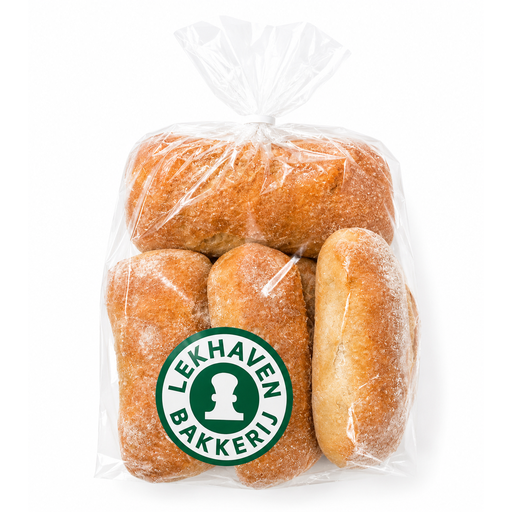 Image unavailable
Lekhaven Bakkerij Natural Rustic Ciabatta, 4 × 135 g
Individual ciabatta rolls for a meal with fillings. The product information says to defrost them and then bake them. Allow time for both steps, and follow the packaging for the correct baking time.
View at Joybuy
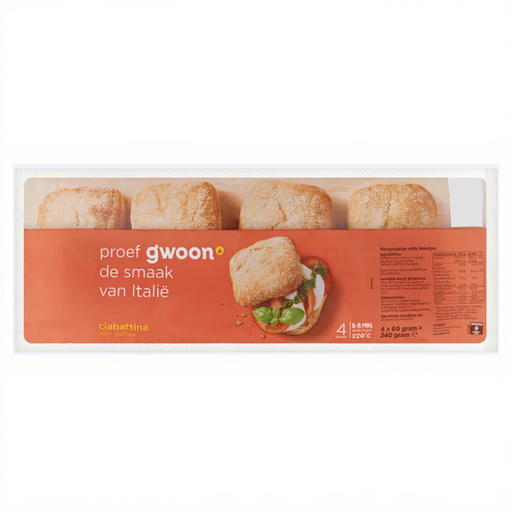 Image unavailable
G'Woon Ciabattina with olive oil, 240 g
A ciabattina to serve with your meal, with olive oil as a flavour note. If you want to prepare the bread just before serving, check the instructions on the packaging. If you have allergies, read the current label too.
View at Joybuy
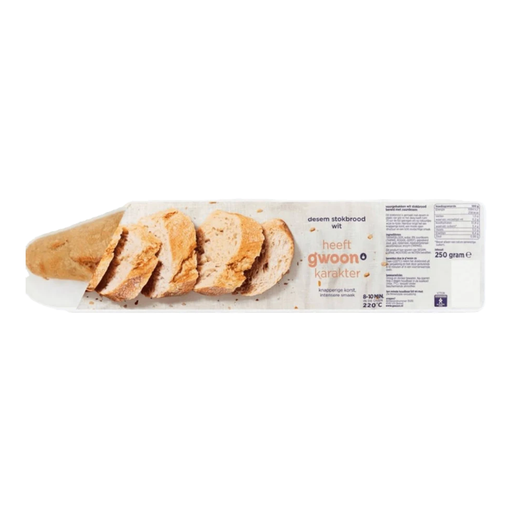 Image unavailable
G'woon White Rustic Baguette, 250 g
The white baguette shape works well for a sandwich or as bread alongside a meal. Check the packaging to see how to serve or prepare this variety, and read the label if ingredients or allergens influence your choice.
View at Joybuy
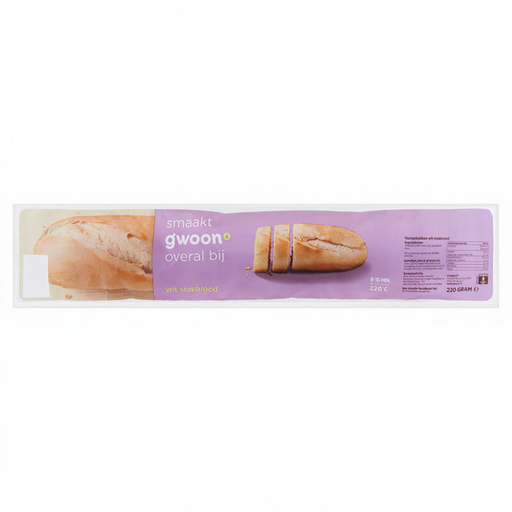 Image unavailable
g'woon White Baguette, 220 g
A white baguette to serve with a meal or fill for a sandwich. Check the packaging to see whether and how to prepare this variety, and look there for the latest ingredients and allergen information too.
View at Joybuy
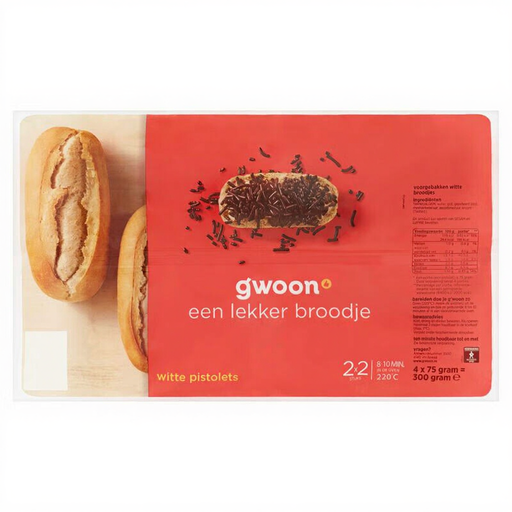 Image unavailable
g'woon White Rolls, 4 stuks, 300 g
Four white rolls, each a handy base for a filled meal. The product description mentions a soft texture. Check the packaging to see whether you can serve them straight away or need to bake them first.
View at Joybuy
Frequently asked questions
Is every bloomer suitable for a generously filled sandwich?
No, the name alone doesn’t tell you enough about the crust and texture. Albert Heijn describes its specific white bloomer as slightly firmer, with a crisp crust. For another variety, check its own product description and see whether the size and how it’s sliced suit your filling.
When should I choose white bread to bake at home?
Choose a bake-at-home variety if you want to serve the bread warm from the oven just before eating and have the time and oven space to do so. Follow the instructions for the bread you buy: baking times and temperatures vary by product.
What should I look for regarding allergens in white bread?
Read the allergen information on the specific packaging. Wheat may not be the only relevant ingredient in white bread. The bread varieties described here contain different ingredients and may carry different cross-contamination risks. If you need gluten-free white bread, choose a product explicitly labelled as such rather than regular white bloomer.
Does ‘premium’ tell me anything about the fibre in white bread?
No. Compare the nutritional information for the specific products per 100 g. The Voedingscentrum lists 1,2 g of fibre for one 45 g slice of white bread cut at home; that figure doesn’t apply to every loaf with a luxurious or rustic name.
How can I tell whether my white bread contains iodised salt?
Check the ingredients list on the current packaging for terms such as iodised salt or baker’s salt. If this matters for your purchase, don’t rely on the words ‘white bread’ or the shape of the loaf alone.


