
If you want to serve bread at the table
You’re looking for a whole loaf whose shape and crust will be on show in a bread basket or on a board. Decide in advance whether you’ll slice it yourself or would rather buy it pre-sliced.


Choose a whole white loaf if you want to slice it at the table and the crust is an important part of the presentation. Rustic bread with a soft centre, or a variety with seeds or maize, gives the bread basket a different character. Whichever you choose, check that the ingredients suit your guests and that the shape works for the way you plan to serve it.
You’re looking for a whole loaf whose shape and crust will be on show in a bread basket or on a board. Decide in advance whether you’ll slice it yourself or would rather buy it pre-sliced.
You might be considering sunflower seeds, linseed or maize to complement your menu. This type of loaf is less neutral than a classic white loaf, so think about how it will go with the other dishes.
You want to know exactly which ingredients and allergens are in the bread you’re buying for your guests. Any warning about possible traces may also be relevant to your choice.
First, decide what role the bread will play with your meal: a neutral table loaf, a rustic option or bread with a noticeable addition. Then check the ingredients and plan how and when you’ll serve it.
Good for: serving as a whole loaf, sliced alongside a range of dishes.
Consider: a firm crust takes a little care to slice. Check the recipe for the variety you choose, too.
Good for: a noticeable crust with a softer centre. ALDI describes this combination in its Bakkersgoud rustic white bread.
Consider: check the ingredients and whether the loaf you actually buy is pre-sliced.
Good for: a bread basket where the bread itself adds a little variety.
Consider: additions change the character of the bread, so check the allergens for each recipe, too.
| What to consider | What to check when buying | Who it matters to |
|---|---|---|
| Presentation and slicing | Check whether the loaf is whole or sliced, and whether the crust described will suit the way you plan to serve it. | If I’m putting bread on the table, I want it to keep its shape until serving time and be easy to slice without rushing. For around 33% of consumers, presentation would be the top priority. |
| Ingredients and allergens | Read the current ingredients list and allergen information for the bread you choose, including any warnings about possible traces. | If guests need to avoid certain ingredients, I want to know what’s in their bread before I buy it. Ingredients would be the main consideration for around 25% of consumers. |
| Serving plans | Check whether the bread is fresh, part-baked or suitable for baking at home, and follow any storage instructions. | I do my shopping before the dinner party and want to be able to serve the bread at the right time. For around 25% of consumers, planning would come first. |
| Quantity and leftovers | Compare the size of the loaf with the number of guests and the other dishes; check whether you can freeze any leftovers. | If there are already plenty of other dishes, I don’t want to be left with more bread than I can use. For around 17% of consumers, quantity would be the main concern. |
White loaves can contain allergens in addition to wheat. For example, Albert Heijn lists milk and soya among the ingredients in AH whole white loaf; recipes vary from product to product.
Ask your guests in advance about any ingredients you need to avoid, and check the latest information for the bread you’ll be serving.
The rules on adding iodine to bread described by the Netherlands Food and Consumer Product Safety Authority don’t guarantee that every white loaf contains iodised salt.
If it matters to your choice, check the ingredients list for the specific loaf.
With an elaborate menu, you may have bread left over. The Netherlands Nutrition Centre advises freezing bread in portions soon after buying it, if needed, and notes that it may dry out if kept frozen for longer.
Choose an amount that suits your menu and freeze any portions you won’t use straight away.
The bread you have in mind for your dinner party also needs to be available when you do your shopping. For example, Jumbo says the La Place loaf described is no longer available online.
Check what’s currently available shortly before buying, and keep a similar type of bread in mind as an alternative.
AH whole white loaf is one example of a whole white bread to serve at the table.
With Jumbo, you can start by considering the shape of the bread and when you’ll serve it, for example, choosing between sliced bread and bread to bake at home.
Lidl lists white bread as a shop product; the pack described contains 800 g.
ALDI describes both Bakkersgoud rustic white bread and a white loaf with sunflower seeds.
PLUS offers white loaves with different additions, including maize.
Dirk describes Bakker van der Akker Sunflower Seed Loaf as a white loaf with sunflower seeds.
These products are options for serving white bread with a meal. If you’re comparing them with a whole loaf for the bread basket, consider the shape of the bread and the packaging.
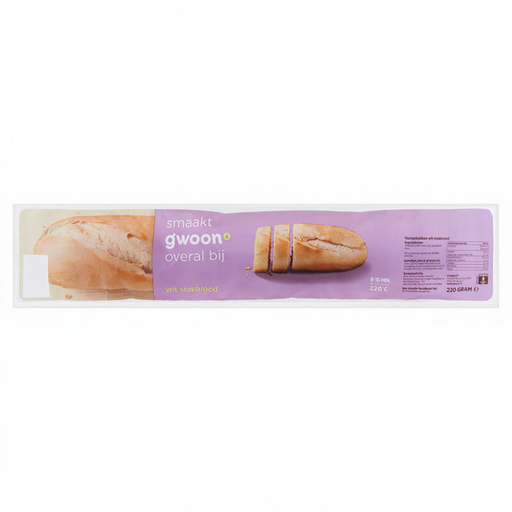 No image available
A white baguette to consider if you’d like to serve bread alongside your meal. The pack states 220 g; check the baking instructions if you want to bake it just before serving.
Check the latest allergen information on the packaging for your guests.
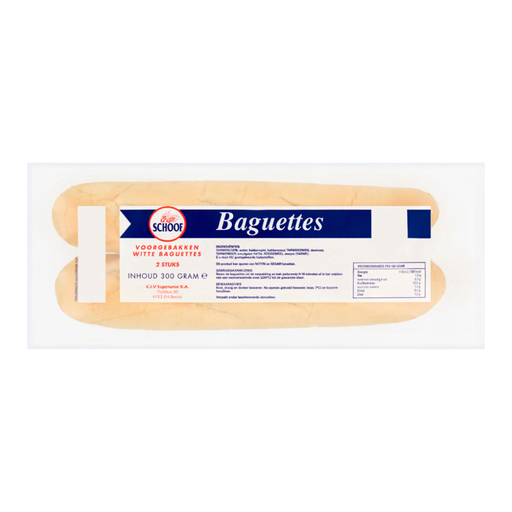 No image available
Two white baguettes to help you portion out the bread at the table. The product name states 300 g in total; check the packaging if size or serving style is a deciding factor.
Check the latest ingredients and allergen information before serving the bread to your guests.
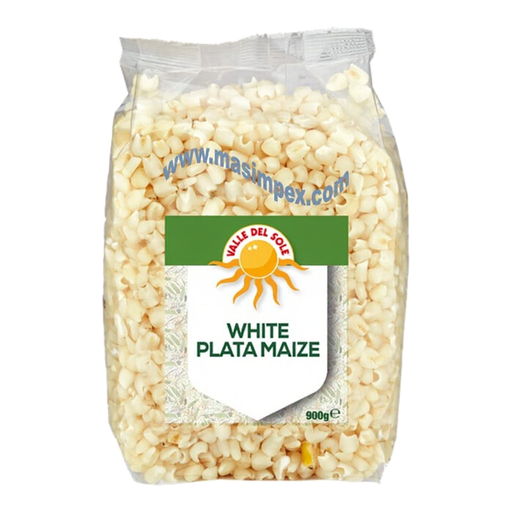 No image available
A white bread option if you’re planning how much bread to serve with your meal. The product name states 900 g; check the shape of the loaf and the portions if presentation in a bread basket matters to you.
Check the latest packaging for ingredients and allergens.
No. That isn’t guaranteed by the rules described by the Netherlands Food and Consumer Product Safety Authority. They state that iodine compounds may only be added to bread via baker’s salt; check the ingredients list if you want to know which salt is used in a particular loaf.
Ask for the allergen information for that particular bread before buying it. According to the Netherlands Food and Consumer Product Safety Authority, this information must also be available for unpackaged foods, for example on the shelf or on request. Don’t rely on the name of the bread alone.
Yes, as long as you follow the storage instructions for the bread you choose. The Netherlands Nutrition Centre advises freezing bread in portions soon after buying it, if needed, and notes that it may dry out if kept frozen for longer.
Freeze any portions you won’t use, if needed, or use leftover bread later, for example by toasting it. The Netherlands Nutrition Centre recommends dividing bread into portions as soon as you buy it if you plan to freeze it, so remember to choose an amount that suits the rest of your menu, too.