What should you look for when choosing?
Start with how much bread you’ll actually eat. Then consider whether it’ll be served straight away or packed to take with you, how often you choose white bread, and any allergen requirements.
| What to consider | What to look for | Who it matters to |
|---|
| Quantity and leftovers |
Compare a whole loaf with a half loaf and consider how much your household will eat before the bread starts to lose its freshness. |
If a whole loaf is often left uneaten, I’d rather buy an amount we can finish. Around 40% of consumers prioritise reducing waste. |
| Type of bread for regular use |
Alternate white bread with brown or wholemeal if you eat bread regularly. The Netherlands Nutrition Centre highlights the fibre in brown and wholemeal bread. |
If we regularly have bread-based meals, I don’t want to automatically choose white every time. Around 30% of consumers give variety their highest priority. |
| When you’ll be eating it |
Choose sliced bread for sandwiches or rolls to serve straight away. If you’re buying freshly baked products, check what’s available locally. |
For a child’s mealtime, I want bread that suits how and when we’ll eat it. Convenience comes first for around 20% of consumers. |
| Allergens and requirements |
Read the label on packaged bread, ask about allergens in unpackaged bread, and check your child’s school or childcare setting’s policy. |
If I’m packing bread for a child with a relevant allergy or dietary requirement at school, I need to know what’s in it and what they’re allowed to bring. This is the main concern for around 10% of consumers. |
Rolls and baguettes on Joybuy
These white rolls and baguettes are suitable for a child’s mealtime or a meal. Choose based on how much you need, and always check the current packaging if there are allergies or the bread is for school. These products don’t help you choose between a whole and a half sliced loaf.
 No image available
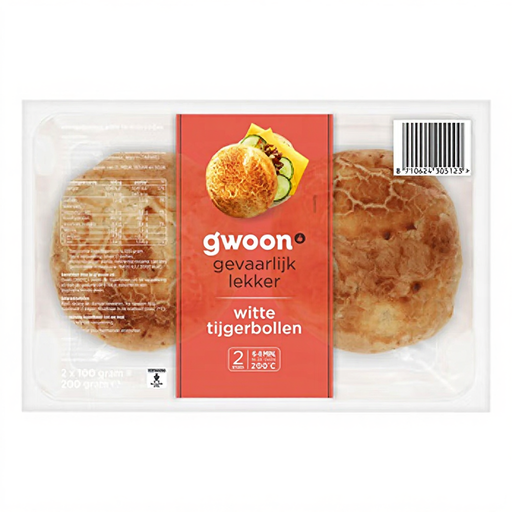
g'woon white tiger rolls, 2 × 100 g
The two rolls are ideal for a light meal or snack. If you’re packing them for a child, check the label for wheat and possible traces of egg, milk, soya and sesame. Check the packaging for the exact type of roll too.
View on Joybuy
 No image available
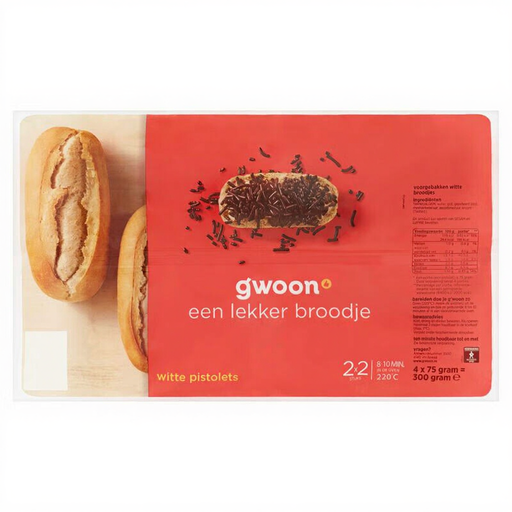
g'woon white rolls, 4 pieces, 300 g
Four rolls make handy individual portions for a meal or snack. Before packing them for a child, check the current label for cereals containing gluten and sesame.
View on Joybuy
 No image available
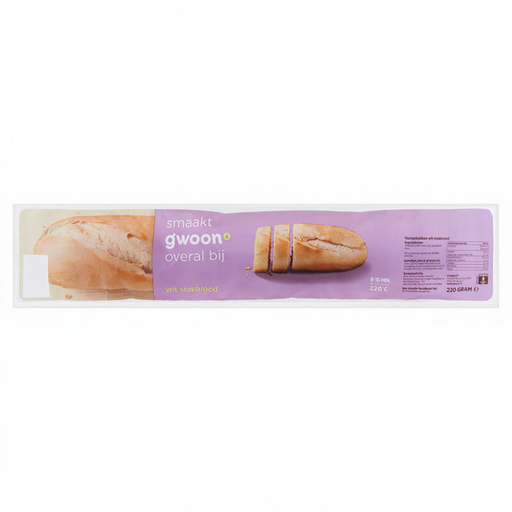
g'woon white baguette, 220 g
This baguette can be used as a base for filled bread portions. If you’re looking for bread that’s ready to serve, check the preparation instructions on the packaging. If you have allergies, check the current label too.
View on Joybuy
 No image available
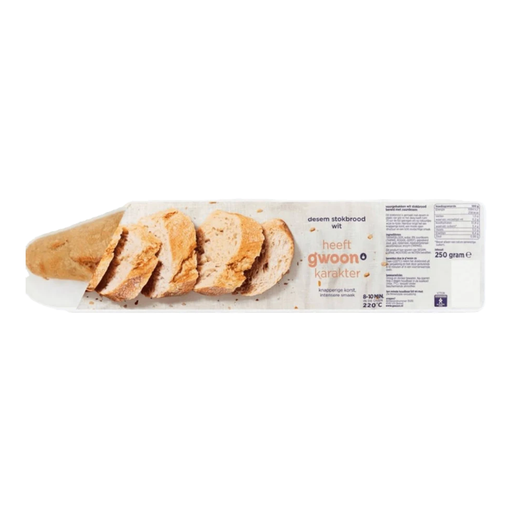
g'woon rustic white baguette, 250 g
This size can be used as the base for a filled baguette to serve with a meal. If you’re packing it for school, check the current allergen information, including details about wheat and possible traces of other allergens.
View on Joybuy
 No image available
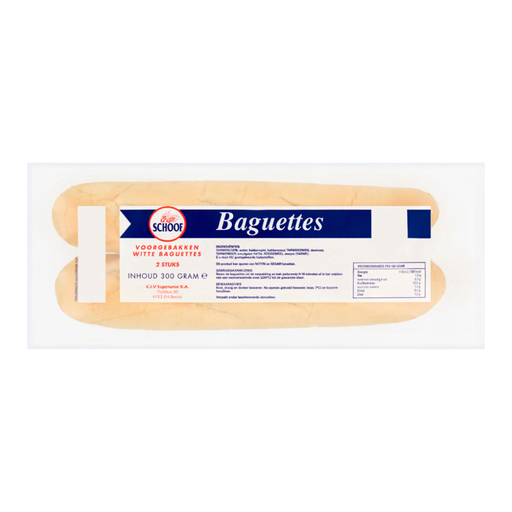
g'woon white baguettes, 2 pieces, 300 g
These two baguettes can be served individually with a meal or as a snack. Check the label for wheat and possible traces of sesame. If the use of baker’s salt matters to your choice, check whether the salt listed is iodised.
View on Joybuy
Frequently asked questions
Is white bread suitable for a child’s mealtime?
Yes, white bread can be a practical choice for a one-off occasion. If bread is a regular part of breakfast, lunch or snacks, the Netherlands Nutrition Centre recommends brown or wholemeal bread in particular for its fibre and nutrients.
When is a half loaf more convenient than a whole loaf?
A half loaf is a better fit if your household eats only a small amount of white bread and you often have some left over from a whole loaf. If you expect to finish a whole loaf, that size may be more practical.
Does all white bread contain iodised baker’s salt?
No. According to the Netherlands Nutrition Centre, bakers aren’t required to use baker’s salt. If bread is a regular source of iodine for you, check the ingredients list or ask which salt has been used in unpackaged bread.
How can I check the allergens in bread from the bakery section?
For prepacked bread, read the current label. For unpackaged bread, ask for the available allergen information. The Netherlands Food and Consumer Product Safety Authority explains that this information must be provided; before packing bread for a child, also check the rules set by their school or childcare setting.
Can I store white bread for another occasion?
Follow the storage instructions for the specific bread. PLUS says its Boeren wit heel loaf can be frozen at home on the day of purchase and used within one month. Don’t assume the same advice applies to other products.


