If you want to head out without any preparation, choose pre-sliced white bread that’s ready to top. Rustic or sourdough-style bread is a better fit if the style of bread matters more to you than speed; part-baked rolls are only practical if you have the time and equipment to prepare them. A premium name alone tells you nothing about nutritional value, so check the packaging of the exact product.
Which bread style is right for you?
For breakfast on the go, it makes a difference whether the bread is ready to top, needs slicing or has to be baked first.
If you want to head straight out
If you’re short on time at home, pre-sliced bread is easier to top and pack. Check whether your chosen product comes sliced; if you like to plan your shopping in advance, you can also check the retailer’s delivery or collection options.
If you’re looking for a different style of bread
A rustic shape, crust or sourdough-style loaf might be what makes you choose something other than standard sliced bread. Just check whether you’ll need to slice it yourself and how you plan to take it with you.
If the label matters to you
Compare the ingredients and nutritional information for the exact varieties, including fibre and salt per 100 g or per serving. If you have an allergy or another strict dietary requirement, check the product packaging for the latest ingredients and allergen information.
What should you look for when choosing?
Start by thinking about how much preparation your morning allows. Then choose a bread style, and only after that compare the nutritional information of the products you’re considering.
Soft, pre-sliced white bread
Choose this: if you want to top a sandwich and take it with you straight away.
The trade-off: the evenly cut slices are practical, but they don’t offer the rustic style of bread you might want for a special breakfast.
Rustic or sourdough-style white bread
Choose this: if the style of bread matters more to you than being able to top it as quickly as possible.
The trade-off: check whether the bread is sliced, as slicing it yourself takes time. The name ‘sourdough’ says nothing about the fibre content of the variety you choose.
Part-baked white rolls
Choose this: if you can bake the rolls in advance or have enough time before you leave.
The trade-off: they need time to prepare and suitable equipment. If you’re heading out straight away, ready-to-eat bread is easier.
| What to consider |
What to check when buying |
Who is this most important for? |
| Ready to take with you |
Check whether the bread is sliced and ready to eat. |
I want to prepare and take my breakfast with me quickly, without having to slice or bake the bread first. Around 33% of consumers say convenience comes first. |
| Bread style and crust |
Look at the shape of the bread and how it’s sliced; check whether your chosen variety is available at your retailer. |
For a special morning, I mainly want to choose a style of bread I like, even if it’s less convenient to pack. This preference matters most to around 25% of consumers. |
| Nutritional value |
Compare fibre and salt per 100 g, and check the serving size. |
I want to know how this white bread’s nutritional value fits what I’m looking for, rather than relying on a premium name. This is the first consideration for around 25% of consumers. |
| Ingredients and storage |
Read the allergen information on the packaging and follow the storage instructions for the exact product. |
If I need to avoid certain ingredients or buy bread for several mornings, I want to be able to check the label before using it. Around 17% of consumers say this check is their priority. |
Common mistakes
-
Assuming a premium name means better nutritional value
‘Rustic’, ‘sourdough-style’ and ‘premium’ don’t tell you how much fibre or salt the exact loaf contains. The Voedingscentrum advises replacing white bread with wholemeal or brown bread as often as possible.
Compare the nutritional information per 100 g or per serving. If fibre is your main criterion, include other types of bread in your comparison too.
-
Choosing part-baked bread when you have no time to prepare it
A part-baked pistolet or baguette isn’t suitable if you’re heading out straight away and need to prepare it first.
Check the preparation instructions. If you’re leaving without time to prepare, choose bread that’s ready to eat.
Baking takes extra time and requires an oven or other equipment that’s suitable according to the product instructions.
-
Relying only on ingredients information online
Ingredients and allergen information can vary between products and may change. For example, PLUS’s listing for Boeren wit also includes soya and milk in the ingredients. This doesn’t mean that every other white bread contains them.
If you have an allergy, intolerance or another strict dietary requirement, always check the packaging of the bread you’re actually using.
-
Buying more bread than you can use in time
If you need bread to last for several mornings, think about how much you buy and how it should be stored.
If necessary, choose a smaller pack. The Voedingscentrum advises freezing bread in portions straight after buying it if you want to use some at a time; throw away mouldy bread.
Relevant retailers and bread brands
These retailers offer ways to compare different bread styles. Check current availability for each product and store; a listed bread range isn’t a judgement on every loaf sold by that retailer.
Albert Heijn
For anyone who wants to compare standard white bread with other white bread styles within one range.
- Albert Heijn lists products including Bakkersbrood wit and Liefde & Passiebrood wit.
- Check whether the specific variety is available at your store or for delivery.
Jumbo
For anyone who wants to compare different types of white bread in an online range.
- Jumbo has a range of white breads that you can browse by product.
- Check your chosen variety and the delivery or collection options for your address.
PLUS
For anyone looking to browse white bread or a Korenlanders sourdough-style variety.
- PLUS lists Korenlanders sourdough bread in its bread range.
- Check the packaging of your chosen variety, as ingredients and allergen information can change.
Dirk
For anyone who wants to compare white bread with part-baked rolls or baguettes.
- Dirk lists various part-baked products, including baguettes and Italian rolls.
- Check the preparation instructions before choosing a part-baked product for a rushed morning.
ALDI
For anyone looking to browse fresh white bread and other types of bread.
- ALDI lists white bread alongside other types of freshly baked bread.
- Check the nutritional value and suitability of each product rather than judging by a fancy-sounding bread name.
Lidl
For anyone who wants to buy white bread in store or is looking for rolls from an in-store bakery.
- Lidl lists an 800 g white bread product as an in-store item and says that almost all its stores have a bake-off section.
- Check which bread products and bakery facilities are available at your local store.
Bread options on Joybuy
These products offer different options for breakfast on the go: packaged Danish Toast, white tiger rolls and a rustic white baguette. Check the packaging of each product to see whether it’s ready to eat and whether it suits the time you have available.
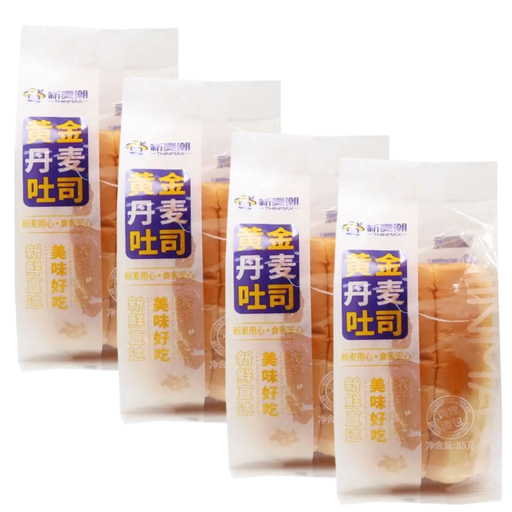 Image unavailable
Thinmax Golden Danish Toast, 85 g × 4
A portioned toast product for anyone looking to take something along for breakfast. Check that this variety matches the type and shape of bread you’re looking for; if you have allergies, refer to the packaging of the exact product.
View on Joybuy
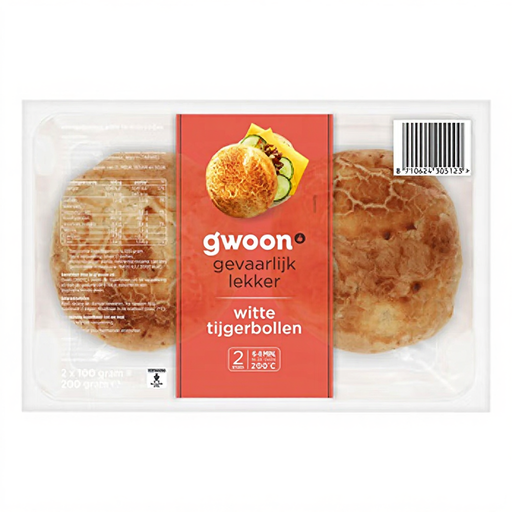 Image unavailable
g'woon White Tiger Rolls, 2 × 100 g
White tiger rolls for anyone who would rather take individual rolls than slices of bread. The pack states 2 × 100 g; before choosing them for a morning when you don’t have time to prepare, check that they’re ready to eat and read the label if you have allergies.
View on Joybuy
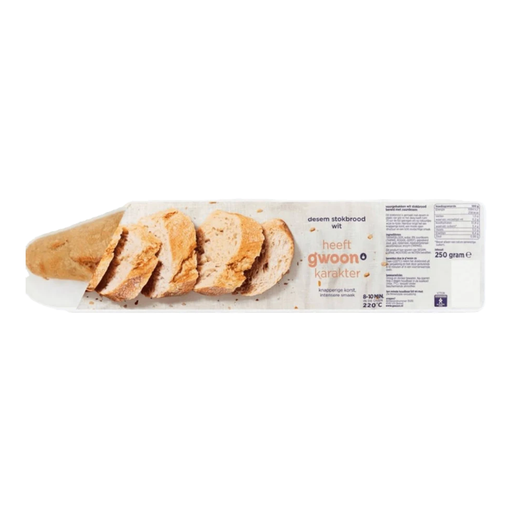 Image unavailable
G'woon White Rustic Baguette, 250 g
A rustic white baguette for anyone who cares more about the style of bread than having a pre-sliced sandwich. The product weighs 250 g; if you’re in a rush, check whether you’ll need to slice or prepare it, and read the packaging if you have allergies.
View on Joybuy
Frequently asked questions
Is premium white bread more nutritious than standard white bread?
You can’t tell from the name. Compare the fibre, salt and serving size shown in the nutrition table for the specific loaves. The Voedingscentrum also advises replacing white bread with wholemeal or brown bread as often as possible.
Where can I check the allergens in white bread?
Read the ingredients and allergen information on the packaging of the exact product. Ingredients vary between breads; for example, the ingredients list published by PLUS for Boeren wit includes wheat, soya and milk.
Does white bread always contain added iodine?
Don’t assume it does without checking the label. If the presence of baker’s salt or added iodine matters to your choice, check the ingredients of the exact loaf. For example, PLUS lists baker’s salt in its Boeren wit.
How can I keep bread fresh for several quick breakfasts?
Follow the storage advice on the packaging and buy an amount that suits how much you use. The Voedingscentrum advises freezing bread in portions straight after buying it if you need some each day; throw away mouldy bread.


