
Vandaag of morgen in huis

Kwaliteit gegarandeerd

Welkomstaanbiedingen ontgrendelen: GRATIS bezorging | Tot 80% korting | Gratis 30 dagen JoyPlus-proefperiode
Download de app
White beans are handy for salads, soups, stews and quick vegetarian meals. However, products can vary considerably in cooking time, ingredients, salt content and storage requirements. If you’re buying white beans online, it’s worth looking beyond the price or eye-catching packaging.
Not every pack contains beans that are ready to use. Cooked white beans, such as beans in a tin or jar, can usually be added straight to a dish. Dried beans need to be soaked first and then cooked. Check the label for terms such as “cooked”, “boiled” or “prepared”.
A 400-gram pack doesn’t always contain 400 grams of drained beans. Some of the contents may be water. For a fair comparison, check:
A 400-gram pack of white beans can be handy for several portions, but the exact yield varies from product to product.
The ingredients can be simple: beans, water and salt. However, salt levels vary between brands. Some varieties may also contain a firming agent. Always check the storage instructions on the packaging too. An opened tin or pack often needs to be refrigerated and used within a few days.
For a straightforward choice, products with a short ingredients list are often a good fit for everyday cooking. According to the product information, HAK Cannellini Beans contain white beans, water, salt and calcium chloride as a firming agent. Per 100 grams, the product contains 111 kcal, 8 grams of protein and 0.2 grams of salt.
The Sera variety lists white beans, water and salt as ingredients. According to the information available, each 100 grams contains 83 kcal, 5 grams of protein, 4 grams of fibre and 0.3 grams of salt. Duru Pratik lists, among other things, 7.9 grams of protein, 8.7 grams of fibre and 1 gram of salt per 100 grams.
These values aren’t directly comparable if the products have different drained weights or preparation methods. Use the nutritional information on the packaging as your guide.
Cannellini beans are usually large, white beans with a creamy texture. They work well in pasta dishes, tomato sauces and salads. Smaller white beans are well suited to soups, stews and dishes where the beans will be heated for longer.
If you cook Turkish dishes, look for Turkish white beans or “fasulye”. They’re often used in bean dishes, rice dishes and hearty soups. Bear in mind that the name doesn’t automatically tell you anything about the salt content, texture or storage method. The label is still the best guide.
Tins and packs are handy for stocking your cupboard, but always follow the specific storage instructions. HAK recommends storing its product in a cool, dry place, away from direct sunlight and heat. Sera, on the other hand, states that its product should be refrigerated. This is an important difference, even though both products contain cooked beans.
Before use, check:
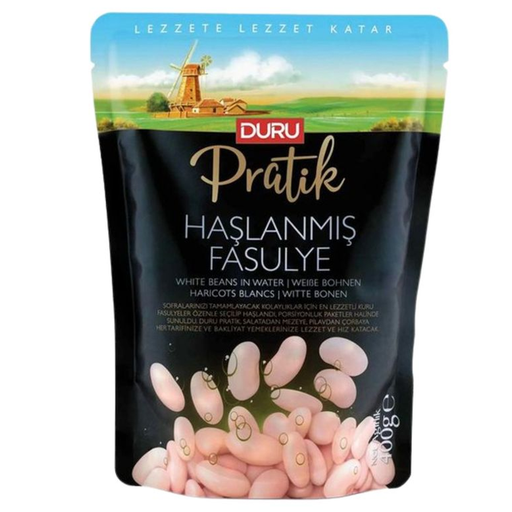
Why it suits this profile: These cooked beans are ready to use in salads, soups, rice dishes and stews. The 400-gram pack is a practical size for an everyday meal.
The product information makes it clear that these are cooked white beans. According to the description, they should be refrigerated after opening and used within two days.
400 grams; 7.9 grams of protein and 8.7 grams of fibre per 100 grams, according to the product information; suitable for vegetarians and vegans.
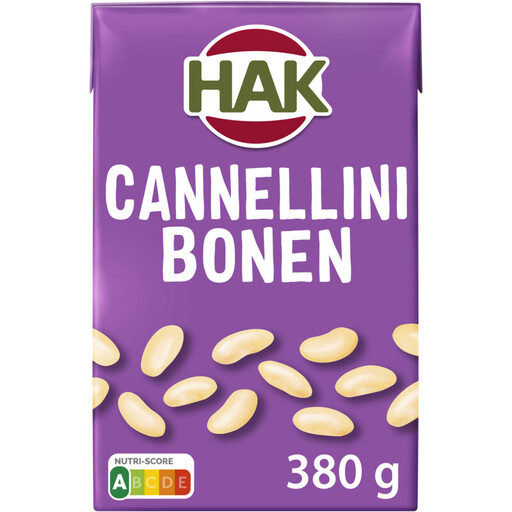
Why it suits this profile: Cannellini beans work well in pasta dishes, soups and salads. This variety is a practical choice if you’re looking for a soft white bean to use in a range of recipes.
The ingredients and nutritional values are clearly listed. The product description gives white beans, water, salt and calcium chloride as ingredients, and states that each 100 grams contains 0.2 grams of salt.
380 grams; 8 grams of protein per 100 grams; according to the product information, the packaging is made from more than 90% plant-based materials.
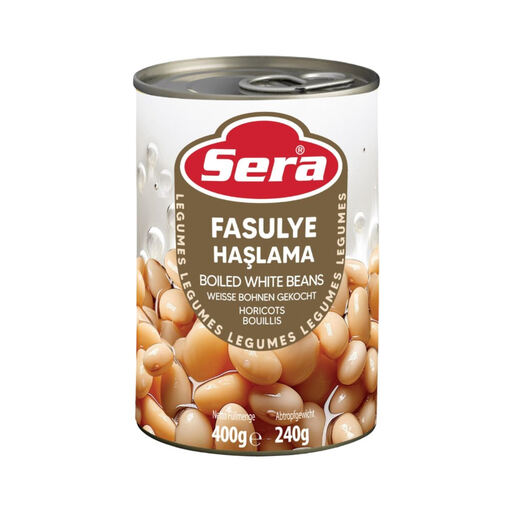
Why it suits this profile: These Turkish white beans are intended for traditional dishes, salads, soups, stews and side dishes. They’re a good fit for kitchens where pulses are a regular part of the menu.
The product information explicitly states that the beans are cooked and ready to eat. The storage instructions say to keep them refrigerated, so check the temperature instructions on the packaging too.
400 grams; ingredients listed in the description: white beans, water and salt; 5 grams of protein and 4 grams of fibre per 100 grams.
We’ve put together a complete, up-to-date list of products that meet these strict selection criteria and current European safety requirements.
For white beans in a salad, simply rinse them and mix with tomato, cucumber, red onion and a dressing. Cannellini beans also go well with pasta, tomato, garlic and herbs.
For white beans in soup, add them towards the end of cooking. This helps them keep their shape and stops them breaking apart during a long cooking time. In a stew, you can simmer them for longer, depending on the texture you’re after.
Vegan white beans are a handy base for meals without meat or dairy. Try combining them with grains, vegetables, tomato sauce or herbs. If you’re looking for high-protein pulses, compare the values per 100 grams on the label rather than relying solely on general nutritional claims.
You don’t always need to, but rinsing can remove excess liquid and some of the salt. It can also make the beans fresher and drier, which works well for salads. Check the preparation instructions on the product first.
This varies by brand and packaging. Some products state that they should be eaten within two days of opening. Keep opened beans refrigerated in a sealed container, and always follow the date and instructions on the label.
Yes. Cooked white beans can be mixed straight into a salad with raw vegetables, herbs and dressing. Choose cannellini beans for a creamy texture, or a variety that the product information says is suitable for salads and side dishes.
