
Vandaag of morgen in huis

Kwaliteit gegarandeerd

Welkomstaanbiedingen ontgrendelen: GRATIS bezorging | Tot 80% korting | Gratis 30 dagen JoyPlus-proefperiode
Download de app
White beans are handy for soups, stews, salads and vegetarian meals. But not all packs are the same. They can differ in how the beans are prepared, how much salt they contain, what other ingredients have been added and how they should be stored. If you only look at the front of the pack, you could end up buying a product that’s not quite right for the dish you have planned.
For white beans in a jar or tin, the weight includes the beans, water and sometimes sauce. So a 720-gram pack doesn’t necessarily contain 720 grams of drained beans. If the information is available, check the drained weight to compare packs more accurately.
Tinned or jarred white beans may contain salt, a firming agent or other additives, as well as beans and water. White beans in tomato sauce, for example, may also contain tomato purée, sugar, vinegar, starch and herbs. Check the ingredients list if you want to control the flavour or salt content yourself.
Dried white beans are often a good choice for cooking larger quantities, but they aren’t ready to use straight away. They usually need soaking first, followed by thorough cooking. If you want to make a quick meal on a weeknight, cooked white beans are a better choice.
Choose tinned or jarred white beans when convenience matters. You can rinse them to remove excess liquid and some of the salt. They’re ideal for a quick soup, salad, pasta dish or stew.
With dried white beans, you’ll need to allow for:
Always follow the cooking instructions on the label. Cooking times can vary depending on the type, size and age of the beans.
Compare values per 100 grams, not just per pack. Pay particular attention to:
White beans are often considered protein-rich pulses, but nutritional values vary by product. According to the product information, HAK White Beans contain 7.8 grams of protein, 9.9 grams of fibre and 0.3 grams of salt per 100 grams. DURU Pratik Cooked White Beans list 7.9 grams of protein, 8.7 grams of fibre and 1.0 gram of salt per 100 grams. Check the current packaging, as product formulations can change.
Cannellini beans are a type of white bean often used in Italian dishes, pasta, soups and salads. According to HAK’s product description, they’re versatile.
Firm beans are practical for salads, as they hold their shape better. For soup, a softer texture is fine. White beans in tomato sauce are especially handy as a side dish or as the base for a quick meal, but the sauce gives them a distinctive flavour.
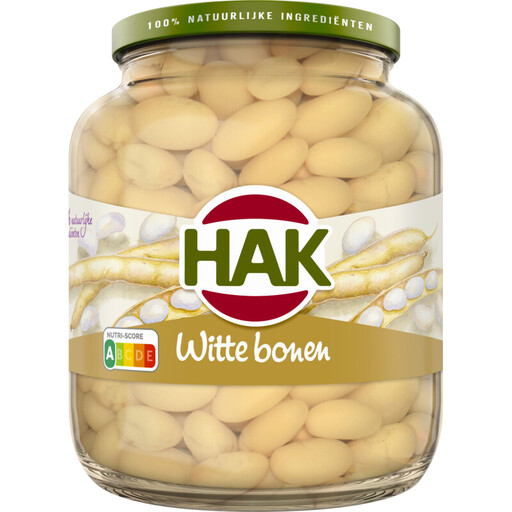
Why it suits this shopper: A generous pack of cooked white beans for soups, stews or several meals. According to the label, the ingredients are white beans, water and sea salt.
The product information gives both the pack size of 720 grams and the ingredients. So you can see that you’re buying a plain variety, not beans in tomato sauce.
720-gram pack; 7.8 grams of protein and 9.9 grams of fibre per 100 grams, according to the product details.
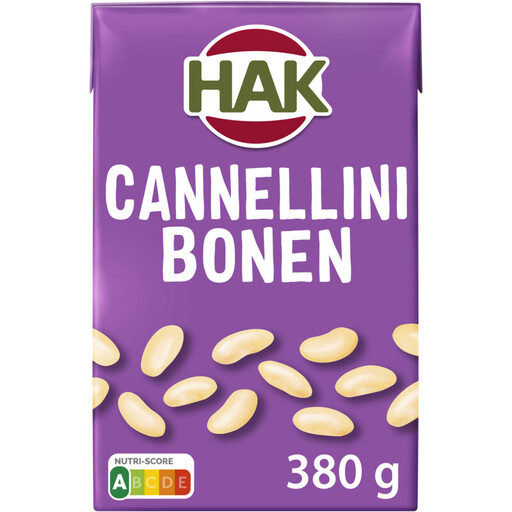
Why it suits this shopper: Cannellini beans are a good choice for fans of pasta, soups and salads who want a specific variety that can be used in lots of different ways.
The product name specifies the variety, and the ingredients list is short: white beans, water, salt and calcium chloride as a firming agent.
380-gram pack; according to the product information, 8 grams of protein and 0.2 grams of salt per 100 grams.
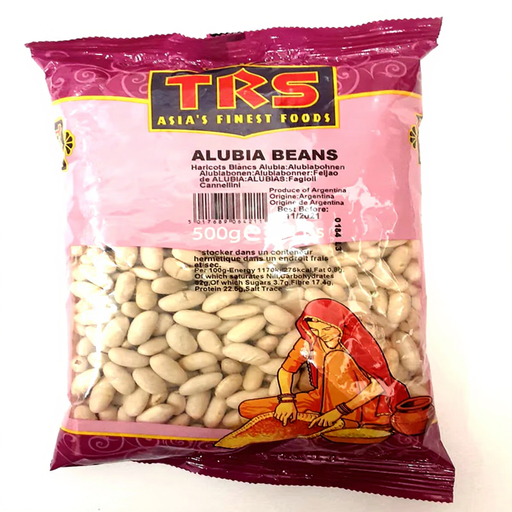
Why it suits this shopper: These dried white beans are for cooks who want to prepare them from scratch and control the quantity, texture and seasoning of a dish.
As these are 100% dried white beans, you’re not paying for water or ready-made sauce. Just remember to allow time for soaking and cooking.
500 grams of dried beans; suitable for soups, stews, salads and dishes such as cassoulet.
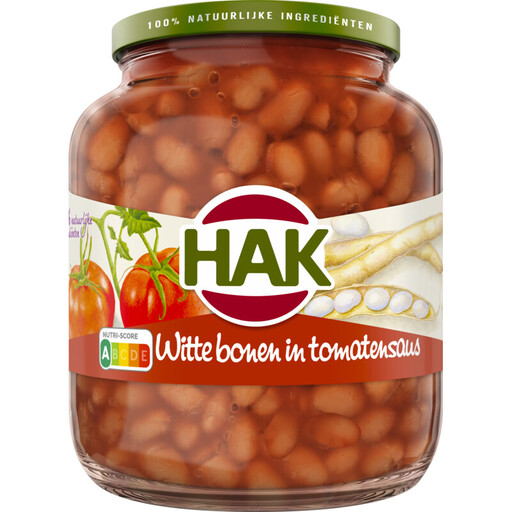
Why it suits this shopper: A ready-made combination for anyone who needs a side dish, soup base or meal component without lengthy preparation.
The product information states that white beans make up 61% of the product and, according to the listed ingredients, no sugar has been added.
Ready to heat gently; 5 grams of protein and 0.64 grams of salt per 100 grams, according to the product details.
We’ve put together a complete, up-to-date list of products that meet these strict selection criteria and comply with current European safety regulations.
Store unopened jars, tins and bags as directed on the packaging: usually in a cool, dry place, away from direct sunlight. Check the packaging for damage before using the product.
Once opened, tinned or jarred white beans should be kept in the fridge. Transfer them to a sealed storage container and follow the guidance on the label. For example, the product information for DURU Pratik Cooked White Beans recommends refrigeration and consumption within two days of opening. Don’t heat white beans in tomato sauce in a sealed jar; empty the contents into a suitable pan first.
Yes, products labelled as cooked white beans are generally ready to use. Add them to soup, salad or sauce and simply heat them through. Always check the instructions on the packaging.
Rinse the beans, soak them as directed on the packaging, then cook them thoroughly in fresh water. It’s best to add acidic ingredients, such as tomatoes, only once the beans are tender. Cooking times vary from product to product.
Yes. For salads, choose a variety that stays firm after draining and gentle mixing. Cannellini beans are a practical choice. Rinse and drain them, then combine with ingredients such as tomato, red onion, herbs and dressing.
