
Vandaag of morgen in huis

Kwaliteit gegarandeerd

Welkomstaanbiedingen ontgrendelen: GRATIS bezorging | Tot 80% korting | Gratis 30 dagen JoyPlus-proefperiode
Download de app
White beans may seem like a simple product, but the supermarket shelf is filled with choices that can be confusing. From glass jars to cans and dried varieties, the differences are greater than you might think. Many consumers unknowingly pay for extra water, unnecessary sugars, or buy the wrong type of bean for their favourite recipe. This guide will help you choose wisely, ensuring you get value for your money and find the perfect bean for your meal.
Before we look at our recommendations for different types of home cooks, let's first discuss the most common pitfalls:
To avoid a bad purchase, it's wise to pay attention to a few key specifications. These objective criteria will help you ignore the marketing jargon and make an informed choice.
Your choice depends on your priorities: convenience, price, or control over flavour.
A brief glance at the label can reveal a lot. For plain white beans, the list should be short: white beans, water, and possibly salt. For varieties like white beans in tomato sauce, it's important to look at:
Not everyone uses white beans in the same way. Below are some popular choices, tailored to specific needs and cooking styles.
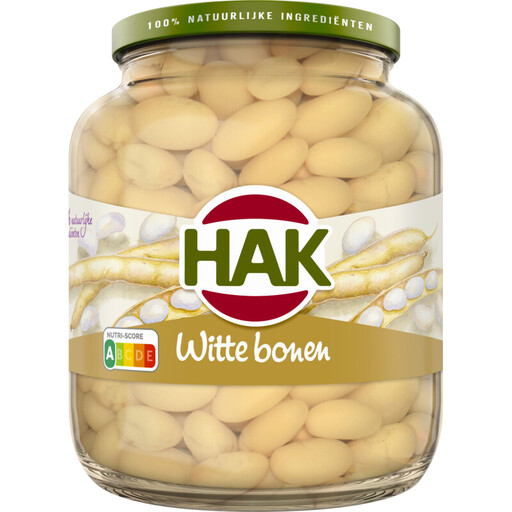
Why This Fits Their Persona: Perfect for those who want to put a nutritious meal on the table quickly. These beans are ready to use in soups, salads, or as a side dish. The glass jar is practical, and the brand is known in the Netherlands for its reliable quality.
The ingredients list is short and clear: white beans, water, and sea salt. No hidden sugars or unnecessary flavourings. The label clearly states the drained weight, so you know what you're buying.
Ready to use, no preparation needed. According to Hak, the product is a natural source of fibre and protein. The 1-2-open lid makes opening the jar easy.
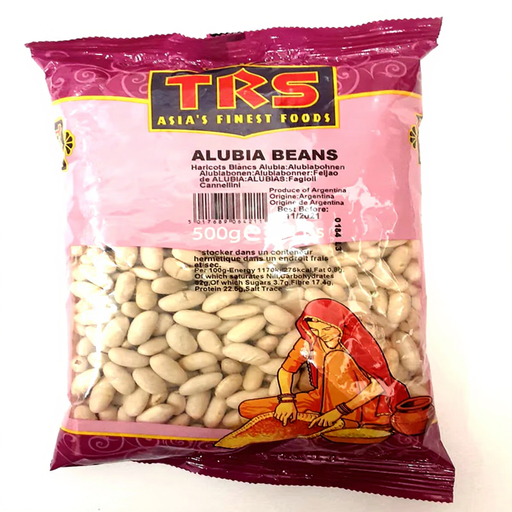
Why This Fits Their Persona: For those who like to buy in bulk and cook from scratch. Dried beans are significantly cheaper per kilogram and take up less space in the pantry. Ideal for making large batches of soup or chilli.
You're not paying for water, only for the beans. There are no added sugars, salts, or preservatives. You have complete control over the final flavour and nutritional value of your dish.
Very long shelf life and cost-effective. After soaking and cooking, you get a much larger volume of beans than the original dry weight, making it an economical choice.
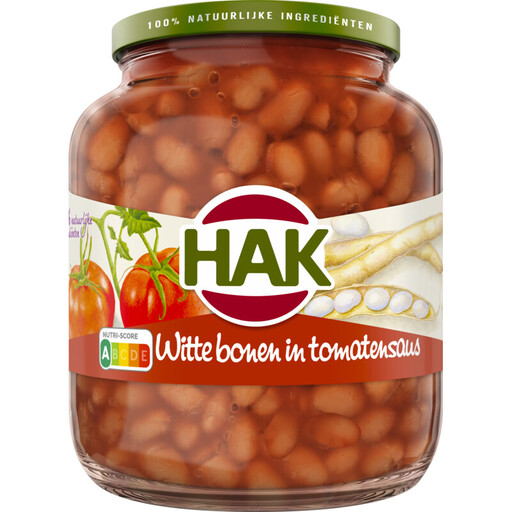
Why This Fits Their Persona: For those who love the classic combination of white beans in tomato sauce with potatoes or as a base for a quick soup. This product offers the familiar taste that many know and appreciate.
According to Hak, this product is made with no added sugars (the sugars are naturally present) and has a Nutri-Score A. This indicates a more responsible choice within the beans-in-sauce segment.
Ready to use and versatile. Can be eaten hot or cold. The large jar is ideal for families. A simple recipe for a quick meal.
We have compiled a complete, up-to-date list of products that meet these selection criteria and current regulations.
Yes, it's generally a good idea. Rinsing the beans in a colander with cold water removes excess salt and starch from the canning liquid. This results in a purer flavour and a healthier dish. An exception is when you are using the beans along with their sauce, as with white beans in tomato sauce.
For most dried white beans, a soaking time of 8 to 12 hours, or simply overnight in a large amount of cold water, is recommended. After soaking, drain the water and cook the beans in fresh water for about 60 to 90 minutes until tender. The exact time depends on the size and age of the beans. A pressure cooker can significantly shorten this process.
Absolutely. White beans are an excellent source of plant-based protein and fibre, which makes them very nutritious and filling. To create a meal with a complete amino acid profile, you can combine beans with grains like rice, quinoa, or whole-wheat bread. This makes them a valuable component of a vegetarian or flexitarian diet.
