
Vandaag of morgen in huis

Kwaliteit gegarandeerd

Welkomstaanbiedingen ontgrendelen: GRATIS bezorging | Tot 80% korting | Gratis 30 dagen JoyPlus-proefperiode
Download de app
If you exercise regularly, whey protein powder is a practical way to increase your protein intake. However, many products look very similar. Eye-catching packaging, terms such as “rapid absorption” and a long list of amino acids do not automatically mean that a product is right for your diet.
As a Joybuy Product Recommendation Officer, I therefore focus primarily on verifiable details: the amount of protein per serving, the type of whey protein, the ingredients list, allergens, size and ease of use.
A package may show “24 grams of protein powder” per serving, while the serving is larger than that of another brand. Always compare the protein content per 100 grams as well as per serving. Also check the amounts of sugar, carbohydrates, fat and salt.
For example, some variants of Optimum Nutrition Gold Standard Whey provide around 24 grams of protein per serving. Applied Nutrition Critical Whey lists around 20 to 24 grams per serving for different flavours. The difference is not only down to the brand, but also the flavour and serving size used.
Whey protein isolate is filtered more extensively than whey protein concentrate. This can be useful if you are looking for a higher protein percentage and less fat or carbohydrates. It does not automatically mean that isolate is necessary for everyone.
Whey protein concentrate generally contains more other milk components. For many people who exercise, it is a practical and affordable choice. So consider your overall diet, budget and any sensitivity to milk components rather than focusing solely on the term “isolate”.
Whey protein naturally contains BCAAs, including leucine, isoleucine and valine. A product described as “protein powder with BCAAs” therefore does not necessarily offer an additional benefit. Check whether the BCAAs occur naturally in the whey protein and how much protein the full serving provides.
According to Optimum Nutrition’s product information, a serving of Gold Standard Whey contains around 5 grams of naturally occurring BCAAs. Applied Nutrition Critical Whey also lists naturally occurring BCAAs as part of its amino acid profile.
The following details are useful for making a fair comparison:
The EU-authorised claim that protein contributes to the growth and maintenance of muscle mass may be used under the applicable conditions. However, whey protein powder is not a substitute for a varied diet.
These are the three terms you are most likely to come across:
Many blends combine these forms. According to the product information, Optimum Nutrition Gold Standard 100% Whey uses a blend of whey isolate, whey concentrate and hydrolysed whey protein sources. Applied Nutrition Critical Whey also combines these types of whey protein.
Always check whether the product contains milk and soya. Some variants may also contain traces of nuts, peanuts, egg, gluten or other allergens. The current packaging is the definitive source, as ingredients and nutritional values may vary by flavour.
Instantised powder is designed to mix easily with water or milk. For various products, Optimum Nutrition recommends around 180 to 240 ml of liquid per scoop. Applied Nutrition Critical Whey generally specifies 300 to 400 ml of cold water. Use the quantity on the label as a starting point and adjust the amount of liquid to achieve your preferred consistency.
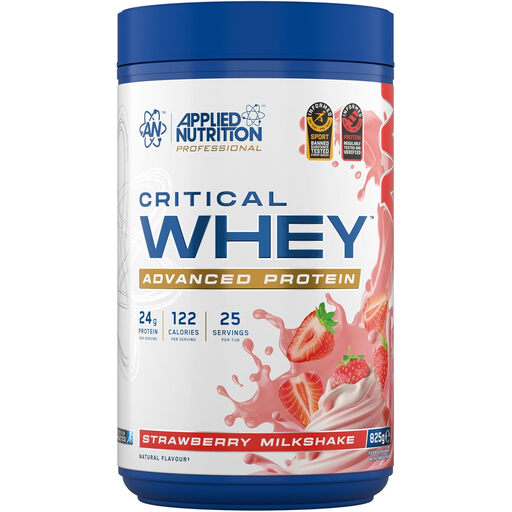
Why it suits this profile: The size is manageable for anyone trying a protein shake for the first time who does not want to buy a large pack straight away.
The product information states around 20 g of protein per serving, allowing you to assess the content without relying solely on marketing terms.
A blend of concentrate, isolate and hydrolysed whey protein; suitable for use after exercise or as a high-protein snack.
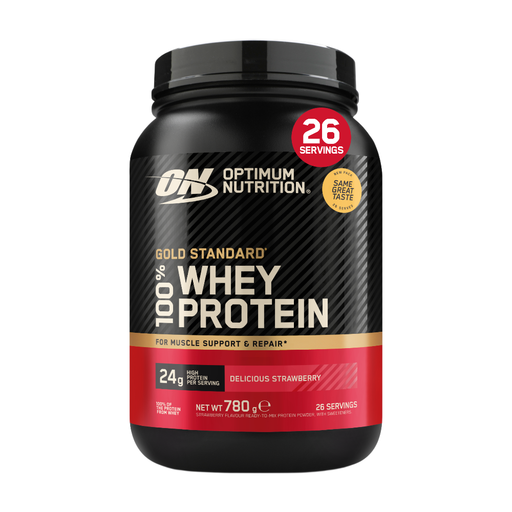
Why it suits this profile: A standard serving of around 24 g of protein, together with a blend containing isolate, concentrate and hydrolysate, provides clear points of comparison.
The available nutritional information also gives the sugar, fat and carbohydrate content per serving, so you can compare more than just the protein figure.
Around 24 g of protein per serving; an instantised formula that, according to the product information, can be mixed with water or milk.
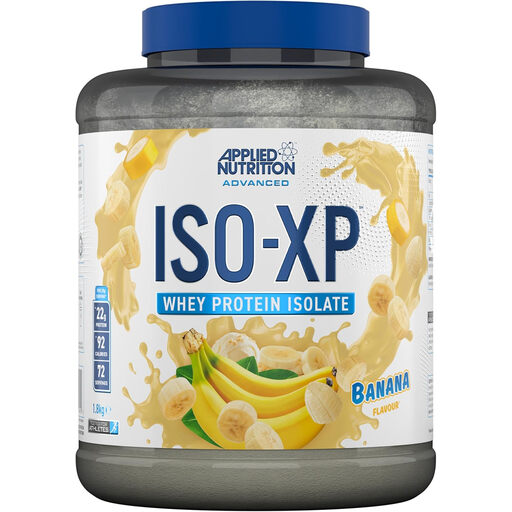
Why it suits this profile: Designed for people who exercise and track their macros closely, using a large pack regularly.
The product information specifies 22.5 g of protein per 25 g serving, with around 0.24 g of fat and 0.09 g of carbohydrates per serving.
97% whey isolate as the main ingredient according to the product description; around 1.8 kg for long-term use.
We have put together a complete, up-to-date list of products that fully meet these strict selection criteria and the applicable European safety regulations.
A protein shake can be used immediately after a workout, but the exact timing is not the only important factor. Your total protein intake throughout the day and your regular meals also count. Mix one serving with cold water or milk according to the label. Using milk changes the nutritional value of the prepared shake.
Pay attention to the recommended serving. Some product information refers to one or two servings per day, depending on your individual protein requirements. Do not use food supplements as a substitute for a varied diet. If you have an allergy or medical condition, take medication, or are pregnant or breastfeeding, consult a healthcare professional beforehand.
No, it is not essential. Whey protein is primarily a convenient way to supplement your daily protein intake. According to the authorised EU claim, protein contributes to the growth and maintenance of muscle mass, but training, diet, sleep and your overall energy intake also remain relevant.
Follow the use-by date and store the powder in a cool, dry place away from direct sunlight. Seal the pack securely after every use. If in doubt, check the smell, texture and instructions on the label. The information on the current packaging takes precedence over older product descriptions.
Calculate the price per serving by dividing the purchase price by the number of servings. A large pack may offer better value per serving, but only if you use the powder before its use-by date. Also compare the protein content per serving, so a lower price does not come at the expense of the amount of whey protein.
