
Vandaag of morgen in huis

Kwaliteit gegarandeerd

Welkomstaanbiedingen ontgrendelen: GRATIS bezorging | Tot 80% korting | Gratis 30 dagen JoyPlus-proefperiode
Download de app
If you exercise regularly, do strength training or simply want to add more protein to your diet, you will soon come across whey protein powder. There is plenty of choice: whey protein, protein powder, whey protein isolate, clear whey and BCAA varieties are available in a wide range of flavours and sizes.
However, eye-catching packaging or bold claims do not automatically mean that a product is suitable for your needs. The following points will help you compare products objectively.
A product may have a high protein content per 100 grams, yet still be less suitable because of allergens, sweeteners, caffeine or a flavour you quickly grow tired of. Always check the nutritional values per serving and per 100 grams.
Serving sizes also vary. For example, one product may provide 24 grams of protein per serving using a 32-gram scoop, while another delivers 20 grams of protein in a 30-gram serving.
Whey protein isolate is generally more concentrated than whey protein concentrate. This may be useful if you are particularly focused on protein, fat and carbohydrate content. A blend of whey protein concentrate, isolate and hydrolysed whey can instead be a practical all-round choice.
BCAAs — leucine, isoleucine and valine — occur naturally in whey. So, a mention of BCAAs does not automatically mean that extra BCAAs have been added or that the product is demonstrably better suited to you.
A large pack is only good value if you enjoy the flavour and use the powder regularly. For beginners, a smaller size or a protein powder with shaker can be an easy way to discover what works for you.
Also check the preparation instructions. Some products require 180–240 ml of liquid, while others need 300–400 ml. With clear whey, foam may be temporarily visible; the instructions may recommend leaving the drink to stand for a while.
Compare at least:
Product information may vary between flavours. Always check the label of the exact variant you want to order.
Whey contains milk. Many formulas also contain soya lecithin, while others use sunflower lecithin. If you have an allergy or intolerance, check the full ingredients list and warnings on the packaging.
One exception in the range is a caffeine-containing flavour. The 2 kg Applied Nutrition Critical Whey Caramel Latte states 100 mg of caffeine per 33-gram serving. This makes the variant less suitable for anyone wishing to avoid caffeine, and according to the product information, it is not recommended for children or pregnant women.
The claim that protein contributes to the growth and maintenance of muscle mass is an approved EU health claim, subject to the applicable conditions. It remains a food supplement and is not a substitute for a varied diet.
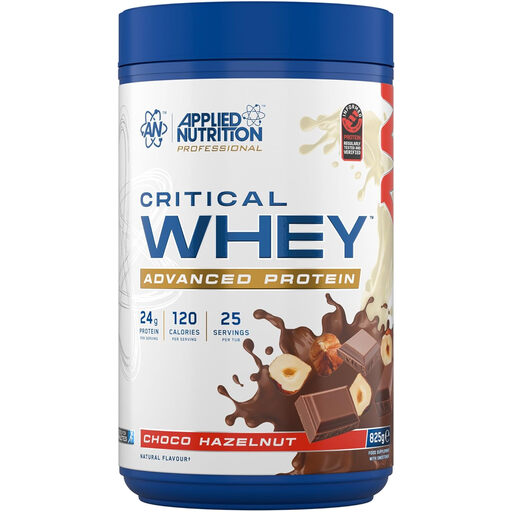
Why it suits this profile: A manageable size for trying a chocolate whey without immediately committing to a large pack. The blend combines concentrate, isolate and hydrolysed whey.
The nutritional information states 24 g of protein per 33 g serving, along with sugar, fat and salt. This allows you to assess the full composition rather than just the front of the pack.
825 g pack; approximately 24 g of protein per serving; milk and soya listed as allergens.
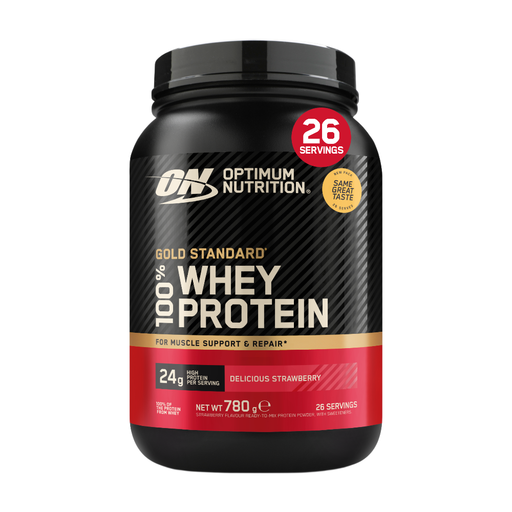
Why it suits this profile: Designed for athletes looking for a whey blend containing isolate, concentrate and hydrolysed whey, with clear serving information.
The stated serving contains approximately 24 g of protein, 1.2 g of sugar and 1.2 g of fat. This makes it easier to compare with other protein powders.
24 g of protein per serving; approximately 26 servings in 780 g; contains milk and soya.
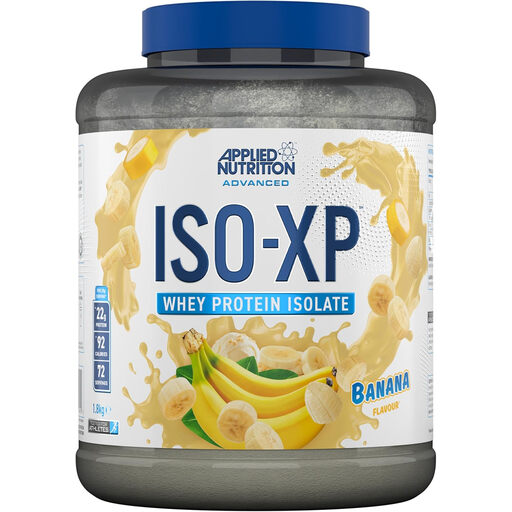
Why it suits this profile: For users who track their macros closely and are looking for a larger pack containing whey protein isolate.
The table states 22.5 g of protein per 25 g serving, with 0.24 g of fat and 0.09 g of carbohydrates. This prevents confusion between the percentage of isolate as an ingredient and the protein content of the finished product.
1.8 kg pack; 90 g of protein per 100 g according to the product information; uses sunflower lecithin.
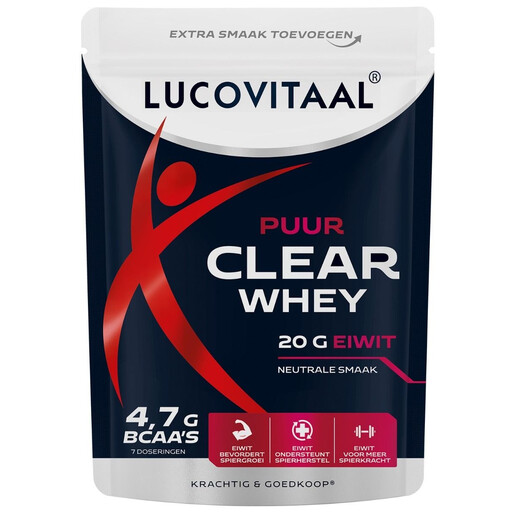
Why it suits this profile: A practical option for anyone who does not want a creamy chocolate or vanilla whey, but is looking for a clear protein drink with a squash-like character.
The instructions specify 25 g of powder with 250 ml of water and recommend leaving the drink to stand briefly. This tells you in advance how to handle foaming and preparation.
20 g of protein per serving; whey isolate as the base; 175 g pack for trying the product first.
We have put together a complete, up-to-date list of products that fully meet these strict selection criteria and the applicable European safety regulations.
A shake can be used after exercise as a practical addition to your daily protein intake. The exact timing is less important than your overall diet throughout the day. Follow the serving guidance on the label and include the protein from ordinary meals in your total.
Check the use-by date on the packaging. Store the powder in a dry, cool place away from direct sunlight. Seal the packaging properly after use and do not use a product if its smell, colour or texture has clearly changed.
Not always. Calculate the price per serving and compare it with the number of grams of protein per serving. A larger pack may reduce the price per serving, but only if you enjoy the flavour and use the product before its use-by date.
