
Vandaag of morgen in huis

Kwaliteit gegarandeerd

Welkomstaanbiedingen ontgrendelen: GRATIS bezorging | Tot 80% korting | Gratis 30 dagen JoyPlus-proefperiode
Download de app
If you train regularly, you may be looking for an easy way to top up your daily protein intake. A protein shake after a workout is convenient, but not every whey protein powder suits the same goals. A large tub, eye-catching claims and a low price don’t tell you much about the product’s overall value.
As a Joybuy Product Recommendation Officer, I check product information against verifiable criteria. This helps you avoid paying mainly for flavour marketing, awkward packaging or a formula that doesn’t suit your diet.
A product may provide 25 or 30 grams of protein per serving, but serving sizes vary. So compare the protein percentage per 100 grams too. For example, a 40-gram scoop with 30 grams of protein contains 75% protein. A 30-gram scoop with 24 grams of protein contains around 80%.
Protein powder with little sugar can be useful when you’re tracking calories or macros, but “little” doesn’t automatically mean none. Check the nutritional values per serving and per 100 grams. The milk, yoghurt or fruit juice you use to mix your protein shake will also change its nutritional values.
Whey isolate is generally more heavily filtered than whey concentrate. Hydrolysed whey has been partially processed into smaller protein chains. That doesn’t mean every athlete needs a hydrolysed whey product. The higher price should match your preferences, dietary goals and tolerance for dairy ingredients.
For muscle growth and maintenance, your total protein intake throughout the day matters more than the timing of a single shake. Product packaging usually lists:
According to the product information for the selected Optimum Nutrition Gold Standard variants, one serving provides around 24 to 25 grams of protein. The Platinum Hydro Whey variants list 30 grams of protein per 40-gram serving.
A blend combines several forms of whey protein. This can be a practical choice if you’re looking for an all-round protein powder. An isolate product contains mainly whey isolate and is often relatively low in carbohydrates and fat. Always check the ingredients list, though: “isolate” doesn’t mean the product is free from milk or other allergens.
Many products use sweeteners such as sucralose or acesulfame-K. This won’t be an issue for everyone, but it’s useful to know if you want to avoid certain ingredients. Whey contains dairy ingredients; many variants also contain soy or sunflower lecithin as an emulsifier.
Check the label carefully if you have an allergy or intolerance. An added enzyme such as lactase doesn’t automatically make a product lactose-free or suitable for everyone with lactose intolerance.
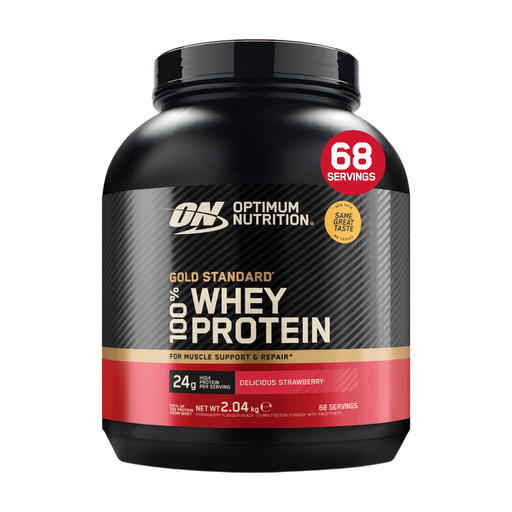
Why it suits this profile: The large pack is suitable for anyone who uses protein shakes regularly and wants to compare the price per serving.
The product information lists around 25 g of protein per 30 g serving and around 0.3 g of sugar per serving. This makes it easy to check the figures that matter.
Blend of isolate, concentrate and hydrolysed whey; instantised powder that, according to the product description, mixes with water or milk.

Why it suits this profile: This variant is a good fit for athletes looking for an isolate formula that’s low in sugar and fat.
The nutritional information lists 25 g of protein, less than 0.5 g of sugar and less than 0.5 g of fat per 31 g serving.
Whey isolate as the main ingredient; around 31 servings per pack; vanilla flavour, with mixing instructions for 250–350 ml of water or milk.
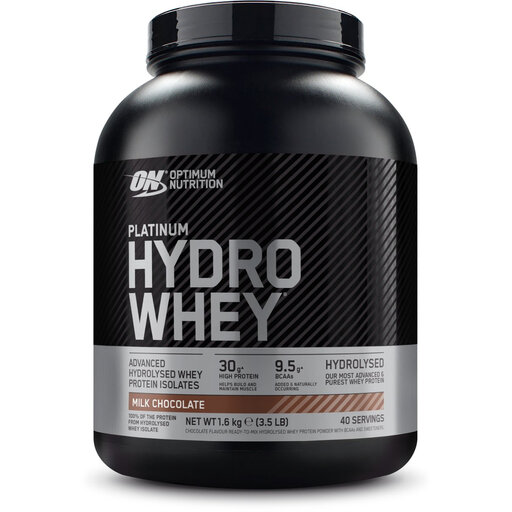
Why it suits this profile: This formula is aimed at users who specifically choose hydrolysed whey isolate and want a higher protein content per serving.
The formula and serving size are clearly stated: 30 g of protein per 40 g serving, with hydrolysed whey isolate as its base.
Around 40 servings per pack; approximately 0.5 g of sugar and 0.5 g of fat per serving, according to the product information.
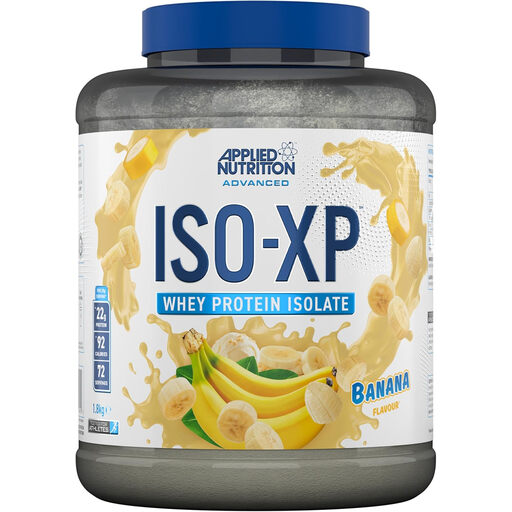
Why it suits this profile: The nutritional values make this a good choice for users who carefully track fat, carbohydrates and sugar.
The stated 25 g serving contains 22.5 g of protein, 0.09 g of carbohydrates and 0.09 g of sugar. This makes it easier to compare.
97% whey isolate as an ingredient, according to the product information; around 90% protein by weight; made with sunflower lecithin.
We’ve put together a complete, up-to-date list of products that meet these strict selection criteria and current European safety regulations.
Mix the recommended amount with the quantity of water or milk stated on the label. Most products can be used after a workout or at another time of day when you need extra protein. The exact timing matters less than your overall diet.
Keep the powder tightly sealed, dry and out of direct sunlight. Don’t use a product if its packaging, smell or taste has changed noticeably. Be mindful of allergens such as milk and soya. Supplements are not a substitute for a varied diet.
No, it isn’t essential. You can also get protein from everyday foods. Whey protein is mainly a convenient top-up when it’s difficult to get enough from meals. According to the product information, protein contributes to the growth and maintenance of muscle mass; this is an authorised EU health claim when the relevant conditions are met.
You can have a protein shake after exercise, between meals or at another suitable time. Follow the recommended serving size on the packaging and include the product as part of a varied diet.
Check the best-before date on the packaging. Once opened, the product keeps best when stored in a dry, cool place with the pack tightly sealed. How long it remains suitable for use depends on the storage conditions and how often the pack is opened.
