
Vandaag of morgen in huis

Kwaliteit gegarandeerd

Welkomstaanbiedingen ontgrendelen: GRATIS bezorging | Tot 80% korting | Gratis 30 dagen JoyPlus-proefperiode
Download de app
A shake seems simple: powder, water, shaker and you’re ready to go. Yet many people who exercise pay too much for a product that doesn’t suit their goals. As a Joybuy Product Recommendation Officer, I focus on information you can verify: protein per serving, sugar, calories, ingredients, allergens and the number of servings.
The most common pitfalls when choosing whey protein powder are:
Standard protein powder or whey protein is a convenient way to top up your daily protein intake. You could have it after exercise, between meals or when a full meal isn’t practical. It’s no substitute for a varied diet.
Looking for a relatively light protein shake that’s low in sugar and fat? Consider whey concentrate, a blend or whey protein isolate. Isolate is usually filtered more extensively and, according to product information, often contains less carbohydrate and fat.
Struggling to get enough calories? A mass gainer or weight gainer may be a better fit. As well as protein, these products contain plenty of carbohydrates. That makes them unsuitable if you’re only looking for extra protein and want to limit your calorie intake.
Compare products on a like-for-like basis. A product with 24 or 25 grams of protein per serving may look appealing, but check the serving size and protein percentage per 100 grams too.
Examples from the range:
Check the protein source too. A blend may contain whey concentrate, whey isolate and hydrolysed whey. This isn’t automatically better or worse; it simply tells you how the product is formulated.
Looking for a low-sugar protein powder? Don’t rely on terms such as “lean” or “isolate”; check the table for values per serving instead. For example, Optimum Nutrition Gold Standard Isolate lists less than 0.5 grams of sugar and less than 0.5 grams of fat per serving.
Sugar content can vary by flavour in regular whey. Applied Nutrition Critical Whey Strawberry lists around 3.4 grams of sugar per 33-gram serving, while the exact values may differ for other flavours.
A gainer is different. According to the product information, Optimum Nutrition Serious Mass contains approximately 50 grams of protein, 250 grams of carbohydrates and 1,269 to 1,292 kcal per serving. That’s a substantial amount, so you should have a clear reason for using a full serving.
Whey protein powder is made from milk. Many varieties also contain soya as an emulsifier. Some flavours may contain gluten, egg, peanuts or nuts too. Always check the current label, especially if you have allergies or intolerances.
Also check:
A 300-gram pack is handy for trying a flavour. A 2 kg bag may work out cheaper per serving, but only if you enjoy the flavour and use the product regularly.
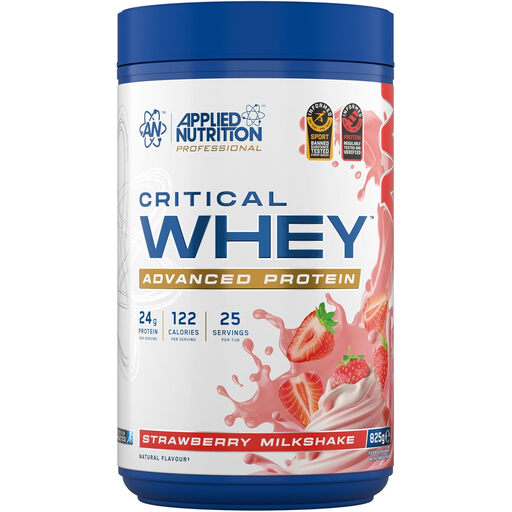
Why it suits this profile: The 825-gram pack is a manageable size for anyone buying whey protein for the first time and not looking to stock up.
The product information lists around 20 grams of protein per serving and clearly states the serving size. This means you’re not comparing products based only on the pack name.
A blend of whey concentrate, isolate and hydrolysate; suitable as a protein shake after exercise or as a snack.
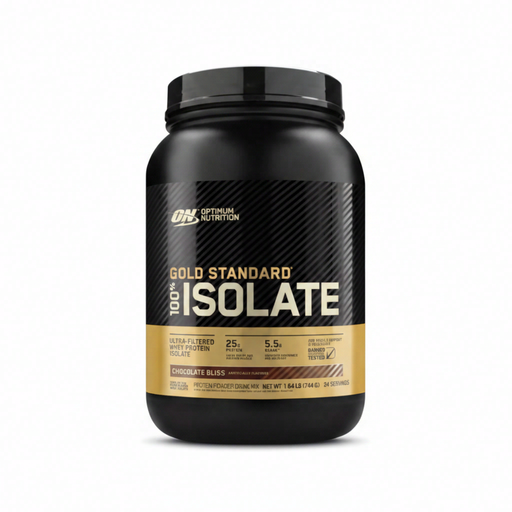
Why it suits this profile: This whey protein isolate is aimed at people who exercise and want a concentrated source of protein that’s low in sugar and fat.
The nutritional information lists 25 grams of protein, less than 1 gram of carbohydrates, and less than 0.5 grams of sugar and fat per serving.
930 grams; 31 servings; whey isolate listed as the main ingredient in the product description.
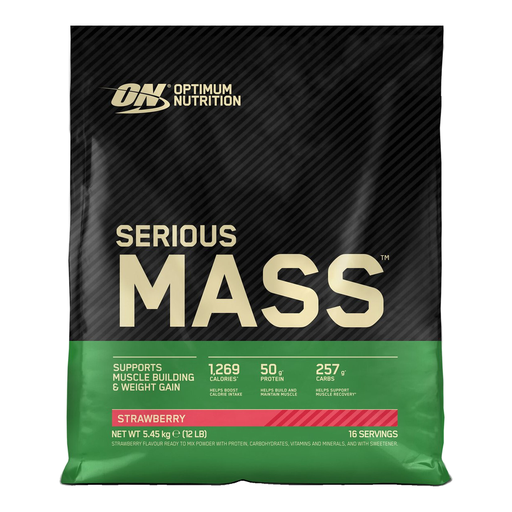
Why it suits this profile: This weight gainer is for adults who want to deliberately add plenty of extra calories and carbohydrates to their diet.
The very high values per serving make it clear that this isn’t an ordinary protein shake. This makes it easier to fit the product around your calorie needs.
5.45 kg; 16 servings; according to the product information, 50 grams of protein and 250 grams of carbohydrates per serving.
We’ve put together a complete, up-to-date list of products that meet these strict selection criteria and comply with current European safety regulations.
Mix a standard serving of whey with water or milk, following the instructions on the label. Milk increases the calorie content and changes the nutritional values of your prepared drink. A serving of protein after exercise is convenient, but the exact timing matters less than your total daily protein intake and regular meals.
Store the pack in a cool, dry place and keep it tightly closed. Always use the scoop and check that the powder hasn’t become damp or hardened. If you have concerns about allergies, medication, pregnancy, breastfeeding or an existing medical condition, it’s a good idea to speak to a doctor or dietitian. Supplements aren’t intended for children and don’t replace a varied diet.
No, it isn’t essential. It can be a convenient way to add extra protein when getting enough from everyday food is difficult. According to authorised EU claims, protein contributes to the growth and maintenance of muscle mass, as part of a varied diet and a suitable training programme.
Whey isolate is filtered more extensively and often contains relatively little fat and sugar. Regular whey may be a concentrate or a blend, so it may contain slightly more carbohydrates. Always compare the nutritional information per serving.
Check the best-before date on the pack. Once opened, the product usually keeps best when stored in a dry, cool place and sealed tightly. Formulations and instructions may change, so always check the current label before use.
