
Vandaag of morgen in huis

Kwaliteit gegarandeerd

Welkomstaanbiedingen ontgrendelen: GRATIS bezorging | Tot 80% korting | Gratis 30 dagen JoyPlus-proefperiode
Download de app
Choosing a tub of whey protein powder might seem straightforward. Yet many people who exercise in the UK pay for a product that doesn’t suit their diet, training routine or allergies. A prominent label featuring terms such as “premium”, “recovery” or “high protein” doesn’t always tell you how much protein you get per serving or which ingredients you’re actually consuming.
So, look out for these three common pitfalls:
First, compare the amount of protein in the recommended serving. Products on the market range from around 20 g to 25 g of protein per shake. Also check:
A small pack can be useful for trying a flavour, while a larger pack is usually a better choice if you drink protein shakes regularly. Always follow the recommended serving size on the pack.
Whey concentrate contains more milk components as well as protein, and may contain slightly more carbohydrates and fat. A blend of concentrate, isolate and hydrolysed whey is common in standard whey protein products.
Whey isolate is filtered further and, according to product information, often provides more protein per serving and less fat and sugar. This may suit people who track their macros closely. However, it doesn’t automatically make the product lactose-free.
If you want to avoid dairy, consider a vegan protein powder. According to the product information, Optimum Nutrition Clear Protein in Peach flavour is 100% plant-based, contains 20 g of protein per serving and has a zero-sugar formula. It is made in a facility that also processes milk, gluten, soya, eggs, nuts and peanuts. If you have allergies, always check the current packaging.
Check whether milk, soya, peanuts, gluten or eggs are listed in the ingredients or allergen warning. Added sweeteners and sugar may also matter if you use a shake every day.
For protein powder after exercise, convenience is key: a serving that mixes well, a flavour you’ll keep enjoying and a pack that suits how you use it. There’s no fixed need to take every product within a specific time window. Your total protein intake throughout the day and your usual diet remain more important.
A protein bar is handy on the go, but often contains more ingredients than a simple shake. Some bars contain polyols; excessive consumption may have a laxative effect, according to the product information. Creatine gummies and creatine powder are not substitutes for protein either.
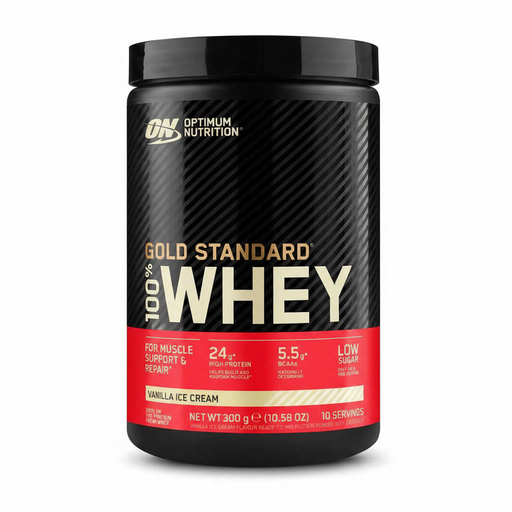
Why it suits this profile: The 300 g pack provides around ten servings, making it a practical way to try the flavour and standard whey formula without buying a large supply straight away.
You can try the flavour and see how well it mixes before buying a larger size. The product information lists 24 g of protein per serving of around 32 g.
Vanilla flavour, around 24 g of protein per serving and a blend of whey isolate, concentrate and hydrolysed whey.

Why it suits this profile: This option is aimed at people who want to monitor their protein intake per serving and keep fat and sugar low.
The product information clearly identifies the protein source as whey protein isolate. This makes the formula easier to compare with a standard whey blend.
25 g of protein per serving, less than 0.5 g of fat and less than 0.5 g of sugar, according to the nutrition information provided.
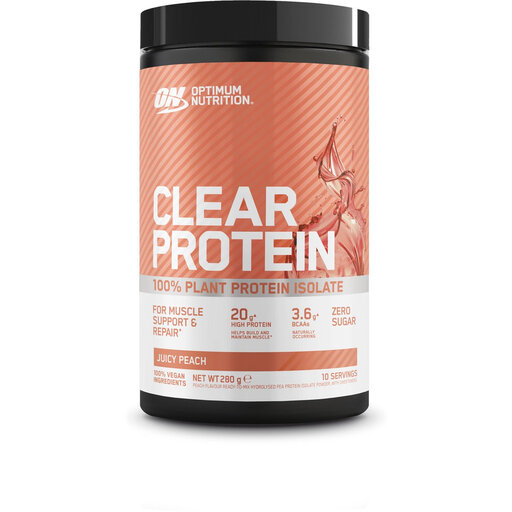
Why it suits this profile: According to the product description, this drink powder is plant-based and vegan, with a light peach flavour as an alternative to a milky protein shake.
The product information explicitly states that it contains 100% plant protein isolate and no sugar. Do check the allergen warning on the pack.
20 g of protein per serving, 3.6 g of naturally occurring BCAAs and around ten servings per pack.
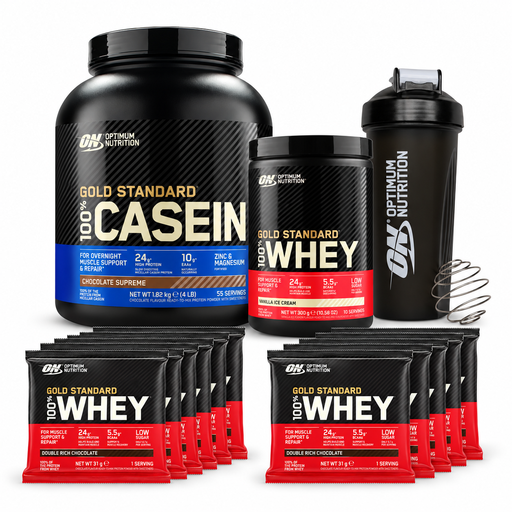
Why it suits this profile: This pack combines whey for daytime or after training with casein for between meals or before bed, plus a shaker.
The bundle spells out what’s included: a pack of whey, fourteen sachets, casein and a shaker. So you know exactly what you’ll receive before you buy.
Includes 1.8 kg of casein, 300 g of whey, fourteen 30 g servings and a dishwasher-safe 600 ml shaker.
We’ve put together a complete, up-to-date list of products that meet these strict selection criteria and current European safety regulations.
Check the best-before date and batch number on the pack. Store the powder in a cool, dry place away from direct sunlight. Seal the tub properly after each use. Moisture can affect its texture and how well it mixes. Stop using the product if its smell, colour or texture changes noticeably.
Whey isolate generally contains less lactose than whey concentrate, but it still comes from milk. It isn’t automatically lactose-free. Whey isn’t suitable if you have a milk allergy. Check the ingredients and allergen information, and ask a doctor or dietitian for advice if you’re unsure.
No. Whey protein powder is mainly a convenient way to top up your daily protein intake. A creatine supplement may be a separate option for adults who want to use creatine according to the instructions on the label. Protein bars are most useful as portable snacks. Before buying a bundle, compare the serving size, ingredients and total cost of each product.
