
Vandaag of morgen in huis

Kwaliteit gegarandeerd

Welkomstaanbiedingen ontgrendelen: GRATIS bezorging | Tot 80% korting | Gratis 30 dagen JoyPlus-proefperiode
Download de app
Buying a tub of whey protein powder seems straightforward. However, protein powders can vary considerably in their ingredients, serving size, sugar content and suitability for your diet. A large pack or eye-catching claim doesn’t automatically mean the product is right for your training goals.
The most common pitfalls:
Compare products in two ways. The amount of protein per serving is useful for everyday use, while the percentage per 100 g shows how much of the powder is actually protein.
A serving of around 25 to 31 g containing 20 to 25 g of protein is fairly common. For example, Optimum Nutrition Gold Standard Isolate products list 25 g of protein per 31 g serving. Applied Nutrition ISO-XP Whey Protein Isolate contains 22.5 g of protein per 25 g serving.
Also check the:
A low sugar content doesn’t mean the product is sugar-free. Check the nutrition table for the flavour you’ve chosen.
Whey concentrate contains small amounts of lactose, fat and carbohydrates alongside protein. It’s often a practical choice for athletes who mainly want to increase their daily protein intake.
Whey isolate is filtered further and generally contains a higher percentage of protein, with less lactose, fat and carbohydrates. It may suit people who track their macros closely. However, it’s still a milk product, so it isn’t suitable for a dairy-free diet.
Some products combine isolate, concentrate and hydrolysed whey proteins. So don’t just look at the product name: check the order of the ingredients too. For example, Optimum Nutrition Gold Standard 100% Whey contains a blend of whey isolate, concentrate and hydrolysed whey proteins.
Whey protein contains milk. Many varieties also contain soya, from the use of soya lecithin as an emulsifier. Check the label if you have an allergy or intolerance.
For vegan athletes, vegan protein powder made from sources such as pea and rice protein is an alternative. It isn’t whey, but you can use it as a protein shake after exercise or as a snack between meals.
Preparation matters too. Check how much water or milk you need and whether you’ll need a shaker. A product you use regularly should fit your routine. For example, a serving that mixes well with cold water is handy when you’re on the go or straight after a workout.
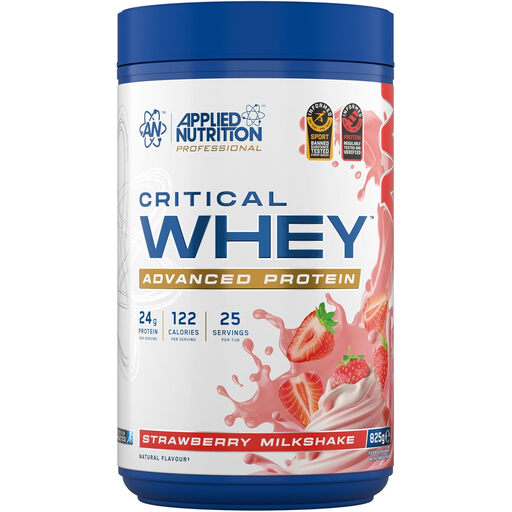
Why it suits this profile: The combination of whey concentrate, isolate and hydrolysed whey offers a straightforward way to add extra protein to your daily diet.
The nutritional information lists around 23.8 g of protein per 33 g serving and approximately 3.4 g of sugar. This makes it easy to compare the serving with those of other products.
825 g pack, several flavour options and clear mixing instructions using 300–400 ml of cold water.
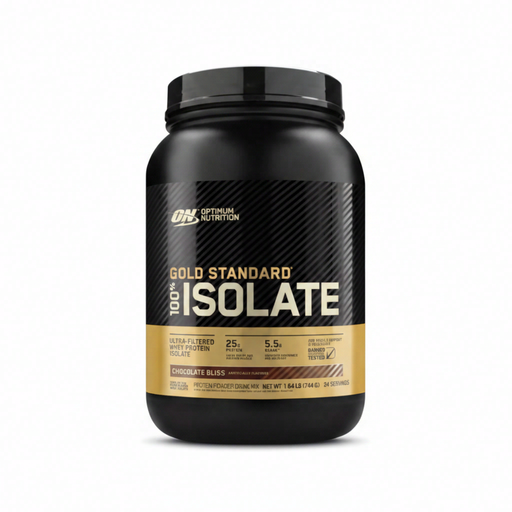
Why it suits this profile: This whey isolate is aimed at athletes looking for a high protein content with little sugar and fat per serving.
The stated values are 25 g of protein, less than 0.5 g of sugar and less than 0.5 g of fat per 31 g serving.
930 g pack, 31 servings and a formula based on whey isolate. Contains milk and soya.
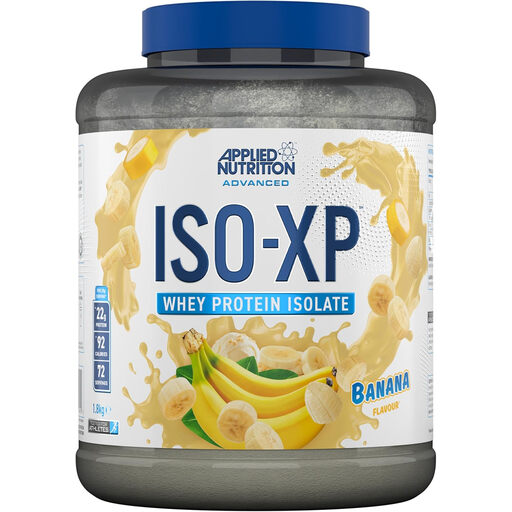
Why it suits this profile: The large pack is practical for athletes who regularly use a protein shake and keep close track of their intake.
The stated serving contains 22.5 g of protein, 0.09 g of sugar and 0.24 g of fat. This makes it easy to compare the macros.
Whey isolate makes up 97% of the main ingredient according to the product information, in a 1.8 kg pack. Contains milk.
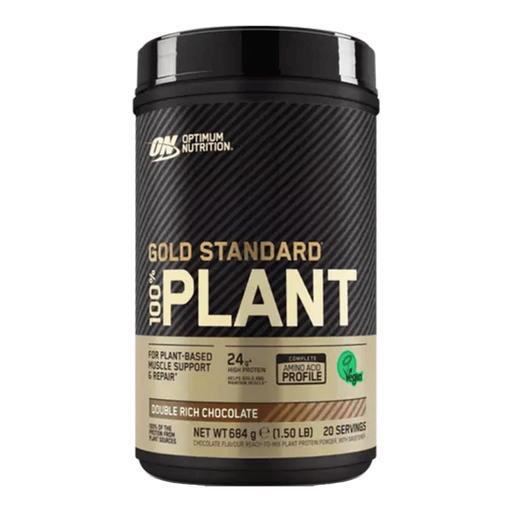
Why it suits this profile: This vegan protein powder combines pea and rice protein and is intended for adults who avoid dairy.
The product information clearly lists the plant-based protein sources. Always check the current packaging for possible traces of milk, soya, gluten, egg and nuts.
24 g of plant-based protein per serving according to the product information, with 20 servings per pack.
We’ve put together a complete, up-to-date list of products that meet these strict selection criteria and the current European safety regulations.
You can have a protein shake after exercise if you don’t get enough protein from your usual meals. The exact timing matters less than your total daily protein intake and overall diet. Always follow the serving instructions on the label.
Store the powder in a cool, dry place with the container tightly closed. Check the best-before date and batch information on the packaging. Use a dry scoop and keep moisture out of the tub. Shelf life after opening can vary by product, so follow the manufacturer’s instructions.
A low sugar content may suit a diet in which you’re limiting carbohydrates or calories. It doesn’t indicate whether a product is suitable for you in terms of allergies, taste or overall suitability. Always check the ingredients, sweeteners and allergens. Food supplements are not a substitute for a varied diet.
