
Vandaag of morgen in huis

Kwaliteit gegarandeerd

Welkomstaanbiedingen ontgrendelen: GRATIS bezorging | Tot 80% korting | Gratis 30 dagen JoyPlus-proefperiode
Download de app
A protein shake sounds simple: powder, water and a shaker. Yet there are major differences between whey protein, whey isolate, casein protein and vegan protein. If you only look at flavour or eye-catching packaging, you may end up paying for ingredients that do not suit your goals.
The most common pitfalls:
Do not just compare the weight of the packaging. A serving might provide 20, 21, 24 or 25 grams of protein, while scoop weights vary. So check both values:
Whey protein naturally contains essential amino acids, including BCAAs. A separate BCAA protein supplement is therefore not automatically necessary if you already use a complete whey product. However, always check the exact composition on the label.
Whey concentrate is a widely used base and contains small amounts of fat and carbohydrates as well as protein. A blend may also contain whey isolate and hydrolysed whey.
Whey isolate is filtered further. Products containing this protein source are often relatively low in fat and sugar. This may suit athletes looking for a concentrated serving, although the price per serving can be higher.
Casein protein is generally chosen for times when you will not be eating for a longer period, such as before bed or between meals. The product description for micellar casein highlights gradual digestion; treat this as a product characteristic, not a medical effect.
Vegan protein is an alternative for consumers who do not want to use dairy. Soya, pea and other plant-based proteins can differ in flavour, texture and amino acid profile. Here too, check the amount of protein per serving.
Whey protein powder usually contains milk. Many varieties also contain soya as an emulsifier. If you have an allergy or intolerance, always read the label on the packaging, as recipes and production sites may change.
Also pay attention to practical details:

Why it suits this profile: A smaller tub containing around ten servings is a straightforward option for anyone using protein powder for the first time and not wanting to buy a large supply straight away.
The label lists around 24 g of protein per serving of approximately 32 g. This makes it easy to check the ratio between serving size and protein content.
300 g pack, vanilla flavour, whey blend containing isolate, concentrate and hydrolysed whey.

Why it suits this profile: Suitable for athletes who focus primarily on a high protein content per serving and low levels of sugar and fat.
The nutritional information lists 25 g of protein, 100 kcal, less than 1 g of carbohydrates and less than 0.5 g of fat per 31 g serving.
930 g pack, 31 servings, isolate as the main ingredient and vanilla flavour.
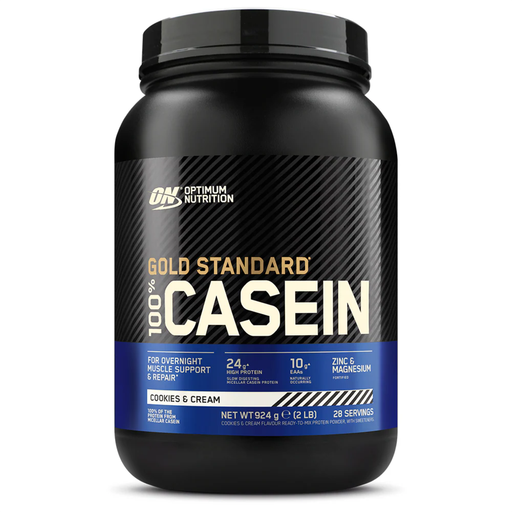
Why it suits this profile: A practical choice for anyone looking for casein protein in the evening or for longer periods between meals.
The product information makes it clear that this is micellar casein rather than standard whey protein. This means the choice is better suited to the intended time of use.
924 g pack, 28 servings, 24 g of protein and approximately 5 g of BCAAs per serving, according to the product information.
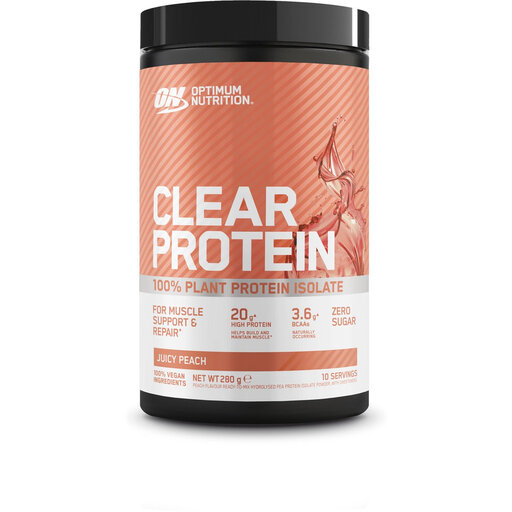
Why it suits this profile: This plant-based isolate is intended for adults looking for vegan protein without dairy and who prefer a lighter drink.
The product details explicitly state that it is a 100% plant-based isolate, suitable for vegans and contains no sugar. Check the allergens on the packaging, as the production site also handles other allergens.
20 g of protein and 3.6 g of naturally occurring BCAAs per 28 g serving; each pack contains approximately 10 servings.
We have put together a complete, up-to-date list of products that fully meet these strict selection criteria and the applicable European safety regulations.
A protein shake can be a convenient way to supplement your daily protein intake. Protein after exercise is practical when you cannot eat a meal straight afterwards, but the exact timing is not the only relevant factor. Your overall diet, training schedule and consistency all matter.
Use the serving size stated on the label and mix the powder according to the instructions. A scoop mixed with water has different nutritional values from the same scoop mixed with milk. Do not exceed the recommended daily intake. Supplements are not a substitute for a varied diet.
If you have existing kidney or liver problems, take medication, are pregnant or breastfeeding, it is advisable to consult a doctor or another qualified healthcare professional. Stop using the product if you experience any symptoms and check the current packaging for ingredients, allergens, best-before information and storage instructions.
According to an authorised European health claim, protein contributes to the growth and maintenance of muscle mass. Whey protein powder can help you consume additional protein, but muscle growth also depends on strength training, sufficient energy, recovery and your overall diet.
You can have a protein shake after training, between meals or at another suitable time. Focus mainly on your daily requirements. A serving containing 20 to 25 grams of protein can be practical when a regular meal is not convenient.
Follow the best-before date and store the product in a cool, dry place with the container tightly closed. Never use a product if its smell, colour or texture has clearly changed. After opening, moisture and heat can affect the quality. If in doubt, follow the manufacturer’s label.
