
Vandaag of morgen in huis

Kwaliteit gegarandeerd

Welkomstaanbiedingen ontgrendelen: GRATIS bezorging | Tot 80% korting | Gratis 30 dagen JoyPlus-proefperiode
Download de app
A large tub of whey protein powder might seem like a straightforward purchase. But protein powders can vary considerably in their ingredients, serving sizes, flavours and uses. A cheaper product, for example, may contain relatively little protein per scoop, while a mass gainer mainly adds calories and carbohydrates. Terms such as “isolate”, “BCAA” and “fast absorption” only tell you so much unless you check the nutrition table and ingredients list.
This guide helps adult athletes, fitness enthusiasts and strength trainers compare whey protein without relying solely on marketing claims.
A high protein percentage per 100 g is useful, but it doesn’t tell the whole story. Also check:
For example, a powder with 75 g of protein per 100 g might recommend a 33 g serving. So compare like-for-like serving sizes and check the price per serving too.
Whey protein isolate is more processed than whey protein concentrate, so isolate often contains less fat and sugar. This may suit someone who tracks their macros closely. However, a blend of whey concentrate, isolate and hydrolysed whey can also be a practical choice for everyday use.
The right choice depends on your diet, budget and tolerance. Not every athlete needs a more expensive isolate.
A mass gainer or weight gainer often contains plenty of carbohydrates and calories as well as protein. For example, the Serious Mass products in this range list around 50 g of protein, 250 g of carbohydrates and over 1,200 kcal per full serving. This may suit someone who deliberately wants to increase their energy intake, but it’s not ideal if you’re looking for a low-sugar protein powder or a light shake after a workout.
Optimum Nutrition Gold Standard products use a blend of whey isolate, whey concentrate and hydrolysed whey. Applied Nutrition Critical Whey also combines these sources. Applied Nutrition ISO-XP, on the other hand, lists 97% whey protein isolate as its main ingredient and provides 22.5 g of protein per 25 g serving.
If you’re looking for a low-sugar protein powder, check the values per serving. Optimum Nutrition 100% Gold Standard Isolate lists 25 g of protein, less than 0.5 g of sugar and less than 0.5 g of fat per 31 g serving. Values may differ between flavours.
Also look out for flavourings, biscuit pieces, thickeners and sweeteners. If you have an allergy, always check the label: many whey products contain milk and soya, and some varieties may contain traces of egg, gluten, peanuts or nuts.
A small pack is handy for trying a flavour. A larger tub may work out cheaper per serving, but only if you use the product regularly. You can have a protein shake after exercise, between meals or at another time when you need to top up your daily protein intake.
Mix the amount stated on the label with water or milk. Milk changes the nutritional values and can make the shake creamier. Don’t use food supplements as a substitute for a varied diet, and don’t exceed the recommended serving.
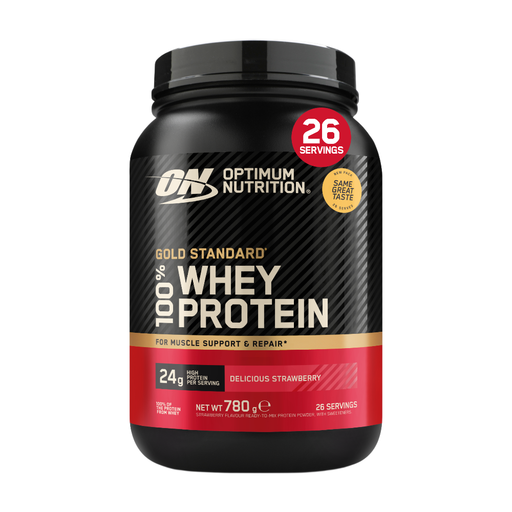
Why it suits this profile: A medium-sized pack with around 24 g of protein per serving and clear preparation instructions is a practical choice if you’re trying a protein shake for the first time.
The product information lists the serving size, protein content and around 26 servings. This makes it easy to compare the cost per shake.
Around 24 g of protein per serving, approximately 1.2 g of sugar and a blend of isolate and concentrate.

Why it suits this profile: This option is a good fit for athletes who prioritise a high protein content and low amounts of sugar and fat per shake.
The product specifications list whey protein isolate as the sole protein source and state that each serving contains less than 0.5 g of sugar and fat.
25 g of protein per serving, 31 servings per pack and low sugar and fat content according to the product information.
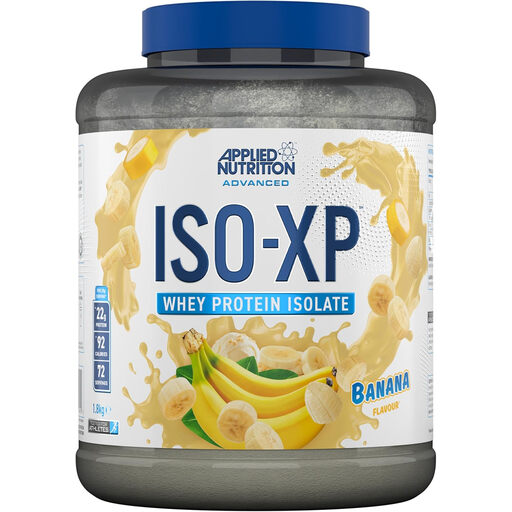
Why it suits this profile: The large pack is aimed at regular users who often have protein powder after training or between meals.
The stated nutritional values are for a 25 g serving: 22.5 g of protein, 0.09 g of carbohydrates and 0.09 g of sugar.
97% whey isolate as the main ingredient, 22.5 g of protein per serving and a generous 1.8 kg pack.
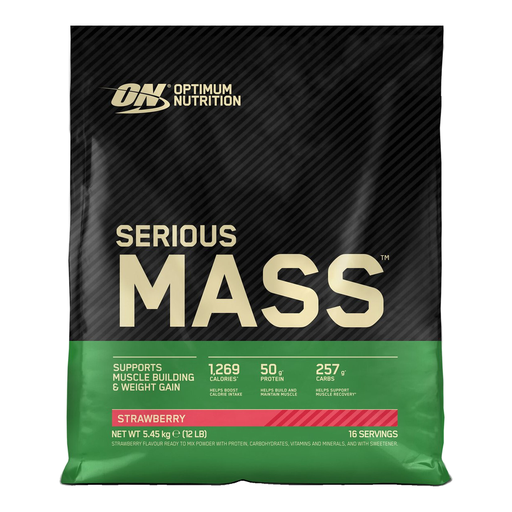
Why it suits this profile: This weight gainer is designed for adults who want to deliberately add extra calories and carbohydrates to their diet as well as protein.
The high calorie and carbohydrate content is clearly stated, so you can see how it differs from a standard whey shake before buying.
According to the product specifications, a full serving contains 50 g of protein, around 250 g of carbohydrates and approximately 1,269–1,292 kcal.
We’ve put together a complete, up-to-date list of products that meet these strict selection criteria and current European safety regulations.
Many products recommend a serving of around 25 to 33 g of powder. This often provides about 20 to 25 g of protein, depending on the formula. Follow the serving size on the label and work out how much protein you already get from food.
According to many product labels, isolate contains less sugar and fat than some concentrate blends. Always check the specific flavour, as added ingredients can change the nutritional values. For example, Optimum Nutrition Gold Standard Isolate lists less than 0.5 g of sugar per serving.
Store the pack in a cool, dry place, close the tub tightly and keep the powder away from moisture and direct sunlight. Check the label for the best-before date and batch information. Stop using the product if its smell, colour, taste or texture changes noticeably.
