
Vandaag of morgen in huis

Kwaliteit gegarandeerd

Welkomstaanbiedingen ontgrendelen: GRATIS bezorging | Tot 80% korting | Gratis 30 dagen JoyPlus-proefperiode
Download de app
A tub of whey protein powder might seem straightforward to assess at first glance. The front often features big claims about muscle growth, fast absorption or low sugar content. But these claims don’t always tell you enough about the ingredients, serving size or cost per shake.
For adults who play sport, work out or want to increase their daily protein intake, there are three common pitfalls to watch out for:
With the right information from the label, you can compare whey protein more effectively and avoid paying for features you don’t need.
Whey concentrate generally contains some fat and carbohydrates as well as protein. That needn’t be a problem if you’re mainly looking for an affordable protein shake and its overall nutritional values fit your diet.
Whey isolate is filtered further. Product information often shows a higher protein content and less fat or sugar per serving. For example, Optimum Nutrition 100% Gold Standard Isolate lists 25 grams of protein per serving of around 31 grams, with less than 1 gram of carbohydrate and less than 0.5 grams of sugar and fat, according to the product specifications provided.
With hydrolysed whey, protein chains are partially broken down. Brands sometimes present this as a formula for faster processing. Treat that as a product feature, not a proven effect on your recovery. Also check whether hydrolysate is part of a blend or the main protein source.
Check for allergens too. Whey comes from milk, so it isn’t a vegan protein powder. Some products also contain soya because lecithin is used as an emulsifier.
Don’t compare just the weight of the bag or tub. Work out:
The differences can be significant. Lucovitaal Pure Clear Whey Powder lists 20 grams of protein per serving of around 25 grams and comes in a 175-gram pack. Optimum Nutrition Platinum Hydro Whey lists 30 grams of protein per serving of 40 grams and around 40 servings in a 1.6-kilogram pack.
A large pack is most practical if you use the product regularly. For your first purchase, a smaller pack or sachet may be more convenient, as you can try the flavour and see how well it mixes first.
If you’re looking for low-sugar protein powder, check the nutrition table rather than relying on the front of the pack. Applied Nutrition ISO-XP, for example, lists around 22.5 grams of protein, 0.09 grams of sugar and 0.24 grams of fat per 25-gram serving. Exact values may vary by flavour, so always check the packaging.
Look out for sweeteners such as sucralose or acesulfame-K too. They’re not automatically a problem, but taste preferences vary. Clear Whey is prepared differently from a creamy shake: Lucovitaal recommends mixing it with 250 ml of water, shaking well and leaving the drink to stand for around two minutes.
A powder that mixes well is more convenient as part of a busy training routine. Use the amount of liquid on the label as a starting point. Using more or less water changes the taste, while using milk also changes the nutritional values.
The following selection matches specific product specifications to different types of buyer. The information is based on the product descriptions provided; recipes, serving sizes and packaging may change.
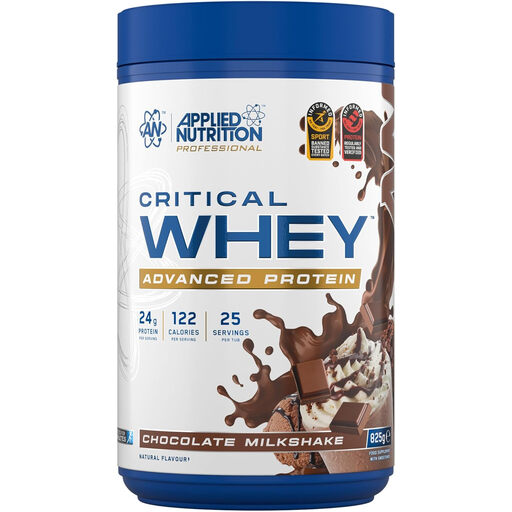
Why it suits this profile: The 825-gram pack offers a practical introduction to a blend of whey concentrate, whey isolate and hydrolysed whey.
The serving size and nutritional values are clearly stated: around 20 grams of protein per 30-gram serving, according to the product description. Check the current packaging for the exact serving size.
A blend of three types of whey; designed to be mixed with 300–400 ml of cold water.
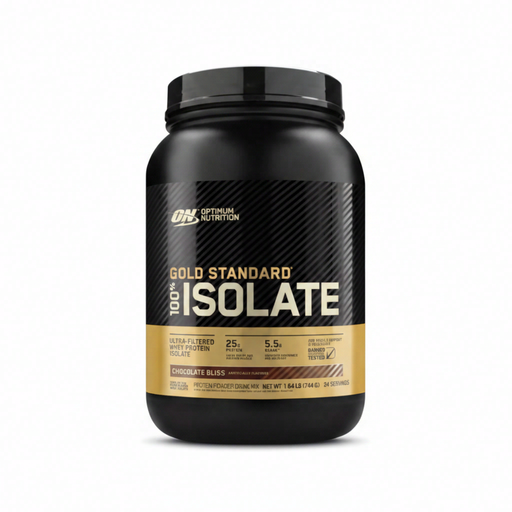
Why it suits this profile: This whey isolate is aimed at those who want a high-protein shake with little sugar and fat.
The packaging lists 31 servings, 25 grams of protein, less than 0.5 grams of sugar and less than 0.5 grams of fat per serving of around 31 grams.
930 grams; according to the product specifications, suitable for mixing with 250–350 ml of water or milk.
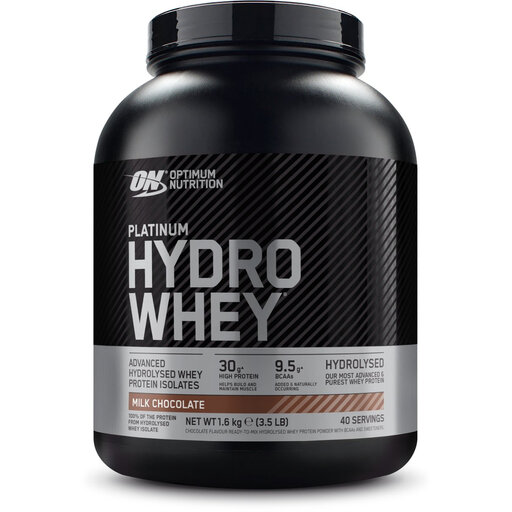
Why it suits this profile: The large pack and 30-gram protein serving make it a good fit for frequent use around training.
The product information gives more than just the term hydrolysed whey: it also lists 30 grams of protein, 0.5 grams of sugar and 0.5 grams of fat per 40-gram serving.
1.6 kilograms; hydrolysed whey isolate is the main protein source, according to the product description.
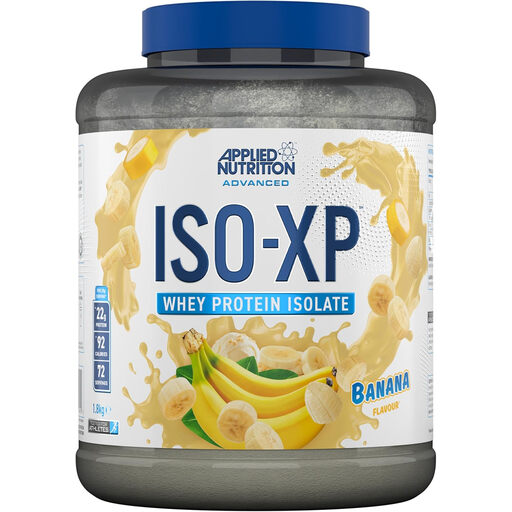
Why it suits this profile: The product specifications focus on a high proportion of whey isolate and low amounts of sugar, fat and carbohydrates per serving.
The nutrition table lists 22.5 grams of protein and 0.09 grams of sugar per 25-gram serving. Exact values may vary by flavour or batch.
According to the product information, the formula is 97% whey isolate and uses sunflower lecithin.
We’ve put together a full, up-to-date list of products that meet these strict selection criteria and current European safety regulations.
Protein powder after exercise is a practical way to add extra protein when a regular meal isn’t immediately available. You don’t need to drink a shake at an exact time. Your total daily intake, usual diet and training routine remain more important.
Always follow the recommended serving size on the packaging. Mix the powder with water for a simple shake, or use milk if you prefer a richer taste. Bear in mind that milk adds extra calories, carbohydrates and protein.
Keep the following points in mind:
Check the best-before date and storage advice on the packaging. Once opened, the powder keeps better if you close the tub properly and keep moisture out. An unusual smell, damp clumps or a change in taste are reasons to stop using the product.
You can have a protein shake after exercise, between meals or at another time when you need extra protein. The right choice depends on your eating plan and how many grams of protein you already get from regular food.
It varies by pack size, brand, protein source and serving size. Divide the purchase price by the number of servings, then compare the grams of protein per serving. This will show you whether a large pack really offers better value than a smaller tub.
