
Vandaag of morgen in huis

Kwaliteit gegarandeerd

Welkomstaanbiedingen ontgrendelen: GRATIS bezorging | Tot 80% korting | Gratis 30 dagen JoyPlus-proefperiode
Download de app
Buying a tub of whey protein powder seems straightforward. But products can vary considerably in protein content, serving size, ingredients and ease of use. Eye-catching packaging or claims about rapid absorption don’t always tell you what you need to know. And if you only look at the price per kilo, you could end up paying more because of smaller servings, lots of flavourings or a product that sits unused in the cupboard after a few weeks.
This guide will help you compare whey protein objectively. You’ll find out which specifications matter, which common pitfalls to watch out for and which protein powder suits the way you exercise.
A large pack may seem like good value, but compare:
A 30-gram serving with 20 grams of protein isn’t directly comparable with a 25-gram serving containing 22.5 grams of protein. So check the nutritional values both per serving and per 100 grams.
Whey concentrate, whey isolate and hydrolysed whey protein don’t have the same composition. A blended product may be perfectly suitable for everyday use, but if you’re mainly looking for a high protein percentage and low carbohydrate or fat content, consider a product where whey isolate is the main ingredient.
BCAAs occur naturally in whey, so a product labelled “BCAA protein powder” isn’t automatically a better choice. First check the total protein content, amino acid information and ingredients list. According to the product information for various whey products, BCAAs – including leucine, isoleucine and valine – occur naturally in milk protein.
For a protein powder to support muscle building, the combination of serving size and protein content is important in practice. Among the selected products, this ranges from around 20 grams of protein per serving in some Applied Nutrition varieties and Lucovitaal Clear Whey, to around 24 grams in various Optimum Nutrition products. Ghost Whey lists 25 grams of protein per serving.
Also check the recommended scoop size. A serving can be 25, 30, 31, 32 or 33 grams. A higher figure per serving doesn’t automatically mean a higher protein percentage.
Also check for sweeteners, thickeners and emulsifiers. If you avoid milk or soya, read the allergen information carefully. Whey contains milk, and many blends also contain soya ingredients such as soya lecithin.
A protein shake should fit into your daily routine. A powder you only enjoy with milk may be less practical than one that mixes well with water. Check the preparation instructions: some products call for 150 to 180 ml of liquid, while others need 300 to 400 ml.
Clear Whey has a lemonade-style preparation and may need to rest briefly after shaking. A shaker is usually enough for regular whey. Store the product according to the label, generally sealed tightly, in a dry place and away from direct sunlight. After opening, always check the best-before date and the current packaging.
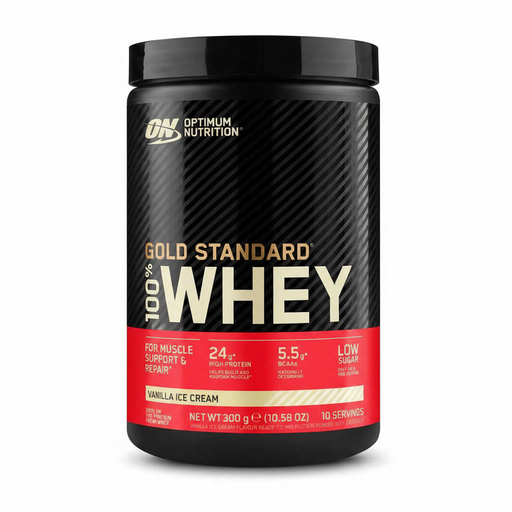
Why it suits this profile: The 300-gram pack is a good way to try a flavour and preparation method before buying a larger supply. According to the product information, a serving provides around 24 grams of protein.
The smaller pack reduces the risk of buying a large quantity before you know whether you like the flavour and how well it mixes.
300 grams, around 24 grams of protein per serving, with preparation instructions for water or milk.
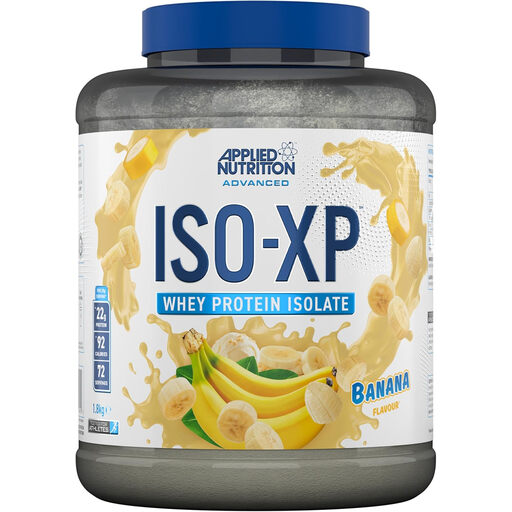
Why it suits this profile: This whey isolate is aimed at anyone who prioritises a high protein percentage and low amounts of fat and carbohydrates per serving.
The nutritional information lists 22.5 grams of protein per 25-gram serving. This lets you check the protein percentage rather than relying on marketing claims alone.
97% whey isolate as the main ingredient according to the product description, and around 90% protein per 100 grams.
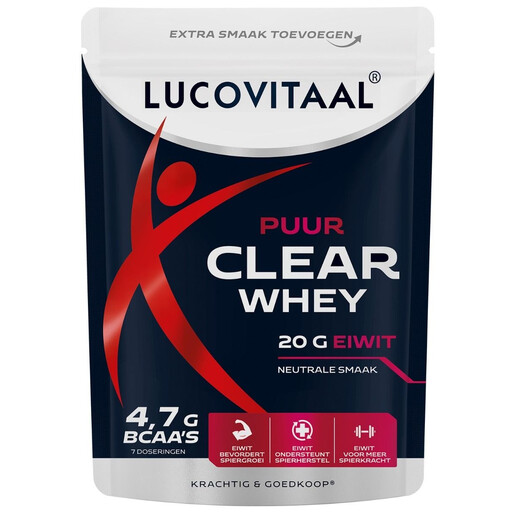
Why it suits this profile: Clear Whey is a good fit for those who would rather have a refreshing protein drink than a creamy shake after exercising.
The product description clearly recommends mixing around 25 grams of powder with 250 ml of water, so you know in advance what kind of drink you’ll be making.
Whey isolate, 20 grams of protein per serving and 4.7 grams of BCAAs according to the product information.
You can have a protein shake after exercising, but timing isn’t the only thing to consider. You can also take a whey protein supplement at another time of day when you want to add extra protein to your diet. Always follow the serving size and maximum daily amount stated on the label.
Protein powder isn’t a substitute for a varied diet. If you have an allergy or medical condition, take medication or follow a restricted-protein diet, check the warnings first and speak to a healthcare professional if necessary.
We’ve put together a complete, up-to-date list of products that meet these strict selection criteria and current European safety regulations.
Whey concentrate usually contains more milk components alongside protein. Whey isolate is filtered further and often has a higher protein percentage per 100 grams. Always check the specific nutritional table, as recipes vary by brand and flavour.
The shelf life is stated on the packaging. Once opened, store the powder in a cool, dry place with the lid tightly closed. Use a dry scoop, and check the smell, colour and texture if the product has been open for a long time.
Not always. Compare the price per serving and per amount of protein. A larger pack may reduce the cost per serving, but only if you enjoy the flavour and use the product before its best-before date.
